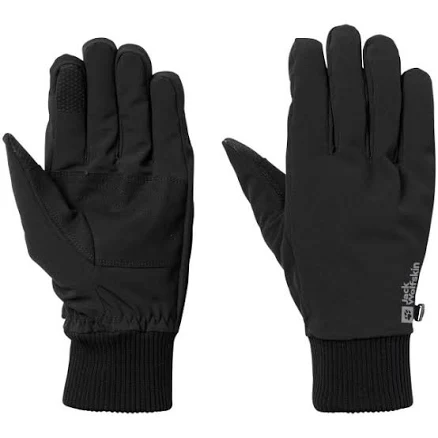
Jack Wolfskin · Waterproof Winter Gloves
men Jack Wolfskin Supersonic Xt Glove
Pass until Jack Wolfskin discloses water-repellent coating chemistry or certifies PFAS-free.
The Supersonic XT uses standard water-repellent coating treatment typical of outdoor gloves, historically reliant on PFAS-based coatings. Jack Wolfskin provides no disclosure of specific water-repellent coating chemistry or PFAS status.
The better-graded swap
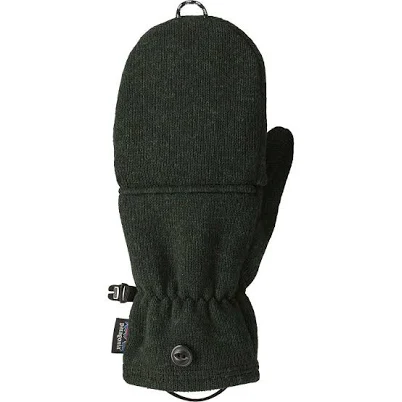
Patagonia
Better Sweater Gloves Patagonia Women's
90/100 safety
Same rubric that flunked this product. The swap earned Excellent.
Still want this one anyway? Check the price on Amazon. We’d swap it.
Material
Synthetic blend (polyester/nylon) with water-repellent coating water-repellent treatment
Brand disclosure
Brand is silent on PFAS
Lab data
No public lab test
What men Jack Wolfskin Supersonic Xt Glove is made of, ingredients and materials
The Supersonic XT uses a polyester/nylon synthetic blend, a standard choice for winter gloves because both fibers are durable, warm, and water-resistant. The gloves are treated with a water-repellent coating (water-repellent coating) finish to shed moisture; Jack Wolfskin does not publicly disclose whether this treatment contains PFAS (long-chain fluorochemicals) or newer alternatives like siloxanes. Over time, water-repellent coating coatings degrade with washing and wear, which can lead to re-application with commercial water-repellent coating sprays that may also contain fluorochemicals.
What’s concerning
Category baseline
The starting point for this type of product, before anything specific to this product is counted.
No PFAS disclosure
No public statement from the brand about PFAS in this product.
Waterproof / stain-resistant treatment
Water-repellent coating treatments have historically used PFAS.
Antimony in polyester fibers
Polyester often uses antimony trioxide as a catalyst during production. Levels in finished fabrics are typically trace and not bioavailable during normal wear, but this is a known minor exposure pathway in polyester textiles that is not always disclosed.
water-repellent coating degradation and chemical re-exposure
As the water-repellent finish wears (normal after 2-3 years), users often reapply commercial water-repellent coating treatments, many of which contain long-chain PFAS or siloxanes. This re-application re-introduces chemicals that could have been avoided with initial PFAS-free certification.
What’s reassuring
Formaldehyde / VOCs
Polyester and nylon do not require formaldehyde-based dyes or finishing resins. No formaldehyde release has been reported in Jack Wolfskin gloves or this product line.
Source, ATSDR ↗Heavy metals
Jack Wolfskin uses standard industrial dyeing for polyester/nylon blends. No azo-dye or heavy-metal contamination has been reported in the brand or product. Color testing by third parties is limited, but the brand faces no documented safety alert in this category.
Source, FDA ↗Flame retardants
Winter gloves are not required to meet flame-retardant standards and Jack Wolfskin does not advertise added flame retardants in the Supersonic XT. No flame-retardant additives have been reported in this product.
Source, EPA ↗The full breakdown
The brand's record and disclosure
Jack Wolfskin, owned by Goldwin, has not published a public commitment to PFAS-free water-repellent coating chemistry or third-party certification (such as OEKO-TEX or bluesign) for this specific model. The brand has faced no major recalls or toxicity claims related to gloves. However, the lack of transparency on water-repellent chemistry is common in the outdoor apparel industry and reflects industry-wide silence rather than Jack Wolfskin-specific negligence.
How it compares in its category
Most winter gloves at this price point use similar polyester/nylon blends with undisclosed water-repellent coating treatments. Some premium competitors (Patagonia, Arc'teryx) have committed to PFAS-free or reduced-PFAS alternatives; budget brands rarely disclose. The Supersonic XT is middle-market, so its opacity on water-repellent coating is typical but not a competitive advantage for safety. Durability ratings and water shedding performance are solid, meaning the water-repellent coating layer will likely persist through multiple seasons before degradation triggers re-treatment.
If you buy it
Wear and wash normally; machine washing at cool temperatures will preserve the water-repellent coating without accelerating breakdown. When water no longer beads off (typically after 2-3 years of regular use), you have a choice, replace the gloves or reapply water-repellent coating. If you reapply, use PFAS-free or reduced-PFAS water-repellent coating sprays (Grangers, Nikwax) to minimize fluorochemical re-exposure. Store gloves in a cool, dry place away from prolonged heat or direct sunlight, which can degrade the synthetic fibers and coatings.
What we don’t know
- Basis
- Model estimate, 45% confidence, not a lab result
- Lab test
- None on record for this exact product
- Brand statement
- Jack Wolfskin has made none
Formulations change between production runs, so check the current label. How we grade.
Better-graded alternatives in Waterproof Winter Gloves
Patagonia
Better Sweater Gloves Patagonia Women's
- Polyester fleece (recycled)
- The brand calls it PFAS-free, which we have not verified
- Heavy metals
2 hazards checked on this product. See all of them.
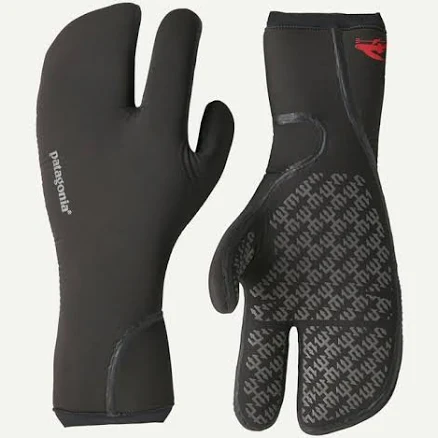
Patagonia
R4 Yulex Regulator Three Finger Mitts
- Yulex (synthetic rubber), neoprene-free alternative
- The brand calls it PFAS-free, which we have not verified
- Allergic contact dermatitis (rubber/guayule sensitivity)
2 hazards checked on this product. See all of them.
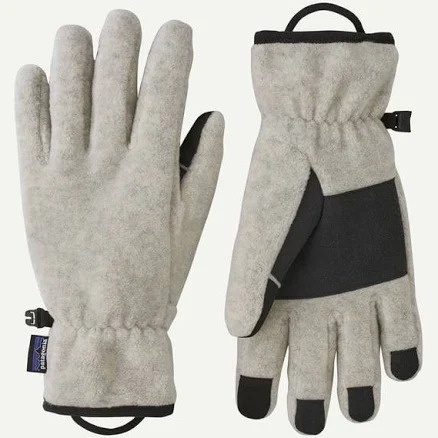
Patagonia
Synchilla Gloves
- Polyester fleece (Synchilla®); no water-repellent treatment disclosed
- The brand calls it PFAS-free, which we have not verified
- Microplastics
2 hazards checked on this product. See all of them.
More waterproof winter gloves grades
How we score, every product runs through the same public 0-100 rubric based on materials, coatings, brand disclosure, lab findings, and recalls. See the full methodology → Spotted a mistake? Report an error.