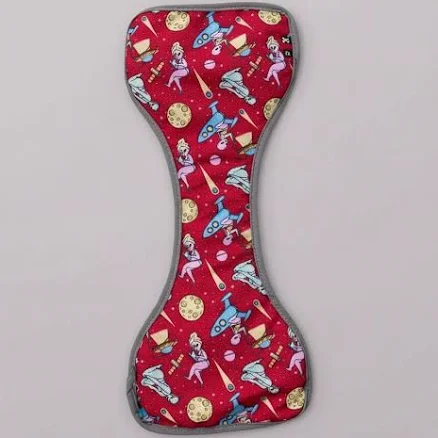
· Incontinence Pads & Protection
Unisex Full Incontinence Pad
Waterproof treatment composition undisclosed by brand.
The brand does not publicly confirm what chemicals make the backing waterproof or whether PFAS was used. Incontinence pads routinely need water-resistant backings, but the actual treatment remains unknown.
The better-graded swap
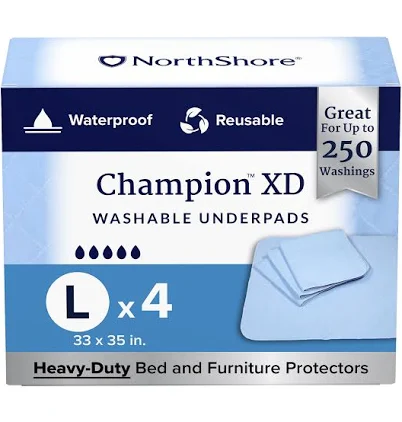
Northshore
NorthShore Champion XD Washable
70/100 safety
Same rubric that flunked this product. The swap earned Good.
Still want this one anyway? Check the price on Amazon. We’d swap it.
Material
absorbent core, synthetic layers, waterproof backing (composition unspecified)
Brand disclosure
Brand is silent on PFAS
Lab data
No public lab test
You may also be interested in
Top-graded picks in the categories readers replace first, every one scored on the same rubric.

- polypropylene filter housing, carbon/sediment cartridge
- We found no PFAS statement from the brand
- Bacterial growth in spent cartridges
3 hazards checked on this product, all on its full breakdown.

Aquasure
Premier Series 75 GPD Under Sink Reverse Osmosis Water Filtration System
- RO membrane, carbon filters, stainless steel housing
- We found no PFAS statement from the brand
- Bacterial and microbial growth in housing and filters
4 hazards checked on this product, all on its full breakdown.

Avocado
Vegan Mattress
- organic cotton, natural latex, coconut coir, recycled steel coils
- The brand calls it PFAS-free, which we have not verified
- Heavy metals
2 hazards checked on this product, all on its full breakdown.
What Unisex Full Incontinence Pad is made of, ingredients and materials
The brand's full incontinence pad uses an absorbent core (likely wood pulp/superabsorbent polymer blend), synthetic top/bottom layers, and an unspecified waterproof backing. The waterproof layer is the critical unknown, it is either plastic film (polypropylene/polyethylene) or a chemical coating, and coating chemistry directly determines PFAS and plasticizer leaching risk during skin contact over hours. Without disclosed composition, you cannot assess whether the waterproof treatment uses legacy PFAS, fluorine-free alternatives, or problematic adhesives.
What’s concerning
Category baseline
The starting point for this type of product, before anything specific to this product is counted.
No PFAS disclosure
No public statement from the brand about PFAS in this product.
Waterproof / stain-resistant treatment
Water-repellent coating treatments have historically used PFAS.
PFAS
Waterproof coating chemistry is entirely undisclosed. Incontinence pads typically use coatings that historically contained PFAS for water repellency. Without brand confirmation of fluorine-free alternatives, PFAS presence cannot be ruled out.
Source, ATSDR ↗Microplastics
Plastic film backings can fragment under friction, temperature, and flexing during wear. Full incontinence pads experience repeated compression and movement; long-term wear may shed microplastics that contact skin and are absorbed or ingested if pad materials contact mouth.
Source, EPA ↗Plasticizer leaching from adhesive layers
Synthetic layers and adhesives that bond core to backing often contain phthalates or other plasticizers to maintain flexibility. Moisture from urine or sweat can promote leaching onto skin, especially in warm, moist conditions. The brand does not specify adhesive chemistry.
Skin irritation from synthetic materials and dyes
Non-certified incontinence pads commonly trigger contact dermatitis, especially in individuals with sensitive skin or prolonged wear. Synthetic fibers, dyes, and topical treatments on non-organic cotton layers are documented irritants; The brand does not certify materials as dye-free or hypoallergenic.
What’s reassuring
Absorbent gel contamination (superabsorbent polymers)
Pads likely contain sodium polyacrylate (SAP) in the absorbent core, which is FDA-cleared for food contact and not a material linked to PFAS. No specific recalls or safety data flag SAP formulations, though rare allergic reactions to SAP polymers are documented in literature.
How is this PFAS grade calculated?
The brand's record and disclosure
The brand does not publicly disclose waterproof backing chemistry or provide third-party certification for PFAS avoidance on this product line. The parent company has made some sustainability commitments but has not transparently addressed PFAS phase-out in feminine care or incontinence products. This silence is significant because waterproof coatings in period and incontinence products are a known PFAS exposure vector, and leading competitors (e.g., Seventh Generation, some Kotex lines) now explicitly market PFAS-free formulations.
How it compares in its category
Full incontinence pads are heavier-use products than standard period pads, creating longer skin contact and higher cumulative chemical exposure. Pads are mainstream commercial products without third-party certification (no OEKO-TEX, GOTS, or equivalent). Certified alternatives like WFHC-compliant or PFAS-explicit brands exist but may cost 20-40% more. The brand's positioning is mid-market affordability without corresponding transparency, which places it below certified eco-brands but within typical drugstore range.
If you buy it
Change pads every 3-4 hours to minimize prolonged skin contact with the waterproof layer. Do not apply heat (avoid hot water washing residual product) as this can accelerate any leaching from coatings. Store in a cool, dry place away from direct sunlight to prevent coating degradation. Request ingredient/waterproof chemistry from customer service; if they refuse, treat as a sign to switch brands rather than accept ongoing use of an unverified product on sensitive skin.
What is not known about PFAS in this product?
- Basis
- Model estimate, 35% confidence, not a lab result
- Lab test
- None on record for this exact product
- Brand statement
- has made none
Formulations change between production runs, so check the current label. How we grade.
What are the PFAS-free alternatives to Unisex Full Incontinence Pad?
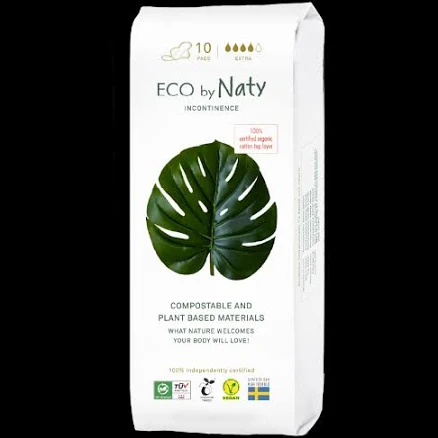
- Bamboo-derived viscose, cotton, plant-based absorbent core
- We found no PFAS statement from the brand
- Heavy metals
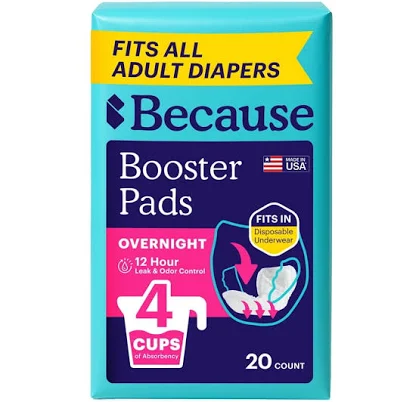
- Cellulose, superabsorbent polymer, cotton blend
- We found no PFAS statement from the brand
- Absorbent material degradation and bacterial growth
2 hazards checked on this product, all on its full breakdown.
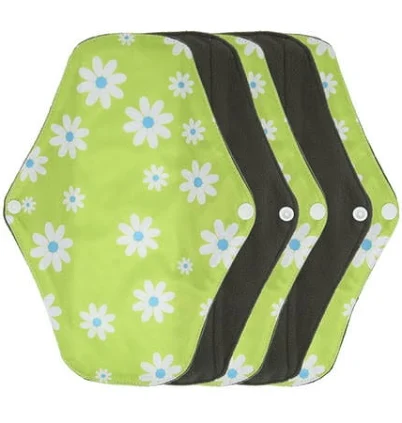
5pcs Bamboo Charcoal Washable Incontinence Pads
- bamboo charcoal textile, washable cotton-blend absorbent layer
- We found no PFAS statement from the brand
- Azo dyes and synthetic colorants
4 hazards checked on this product, all on its full breakdown.
More incontinence pads & protection grades
How we score, every product runs through the same public 0-100 rubric based on materials, coatings, brand disclosure, lab findings, and recalls. See the full methodology → Spotted a mistake? Report an error.