· Incontinence Pads & Protection
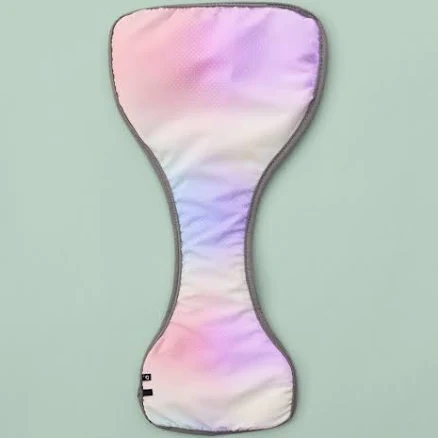
Unisex Reusable Incontinence Pad
Skip until the brand discloses waterproof treatment chemistry; reusable pads typically use water-repellent coating coatings that may contain PFAS.
Reusable incontinence pads require waterproof backing to function, but the brand does not publicly disclose what coating or finish is used. Waterproofing treatments in textiles historically rely on PFAS-based water-repellent coating chemistry.
The better-graded swap
Lille
LILLE Suprem Form Maxi 2920ml
70/100 safety
Same rubric that flunked this product. The swap earned Good.
Still want this one anyway? Check the price on Amazon. We’d swap it.
Material
Likely polyester/cotton blend with waterproof backing; coating type unspecified
Brand disclosure
Brand is silent on PFAS
Lab data
No public lab test
You may also be interested in
Top-graded picks in the categories readers replace first, every one scored on the same rubric.

- polypropylene filter housing, carbon/sediment cartridge
- We found no PFAS statement from the brand
- Bacterial growth in spent cartridges
3 hazards checked on this product, all on its full breakdown.

Aquasure
Premier Series 75 GPD Under Sink Reverse Osmosis Water Filtration System
- RO membrane, carbon filters, stainless steel housing
- We found no PFAS statement from the brand
- Bacterial and microbial growth in housing and filters
4 hazards checked on this product, all on its full breakdown.

Avocado
Vegan Mattress
- organic cotton, natural latex, coconut coir, recycled steel coils
- The brand calls it PFAS-free, which we have not verified
- Heavy metals
2 hazards checked on this product, all on its full breakdown.
What Unisex Reusable Incontinence Pad is made of, ingredients and materials
The brand's reusable incontinence pad likely combines a polyester or cotton-polyester blend face layer with an unspecified waterproof backing. The backing chemistry is the critical unknown, most reusable absorbent products use water-repellent coating (water-repellent coating) coatings to prevent leakage, and many water-repellent coating treatments historically relied on PFAS compounds (PFOA, GenX, or other fluorochemicals). Without the brand's explicit disclosure of their backing treatment (whether PFAS-free, fluorocarbon-based, or other), the waterproofing safety profile cannot be assessed. Polyester and cotton themselves are low-risk, but repeated washing and exposure to body heat and moisture can gradually degrade coatings.
What’s concerning
Category baseline
The starting point for this type of product, before anything specific to this product is counted.
No PFAS disclosure
No public statement from the brand about PFAS in this product.
Waterproof / stain-resistant treatment
Water-repellent coating treatments have historically used PFAS.
Waterproof coating degradation and potential leachates
Unspecified water-repellent coating backing will degrade over time with washing, body heat, and friction. If PFAS-based, degradation increases exposure; if non-PFAS, composition is still unknown and warrants caution. Degradation manifests as leaking, not acute toxicity, but extends product lifespan uncertainty.
Polyester and synthetic fiber off-gassing (VOCs)
New polyester-blend incontinence pads may release low levels of volatile organic compounds during initial use and washing. Risk is minimal but slightly higher in enclosed or poorly ventilated spaces. Off-gassing typically subsides after 2-3 wash cycles.
Formaldehyde / VOCs
Cotton-polyester blends sometimes use formaldehyde-based finishing resins for wrinkle resistance or shrinkage control. The brand does not disclose finishing chemistry. Residual formaldehyde is typically low in consumer textiles but can irritate sensitive skin, especially in products in prolonged contact with genital or perineal skin.
Source, ATSDR ↗Microbiological growth if not maintained
Waterproof backing creates a moist microenvironment. If pads are not washed frequently (every 1-2 days of use) or dried thoroughly, bacteria and fungi can proliferate, causing odor and skin irritation. Proper laundering and air-drying eliminate this risk.
What’s reassuring
Azo dye contamination in pigmented components
If the pad is dyed (common for comfort or branding), azo dyes can theoretically degrade under heat or acid (urine), releasing aromatic amines. The brand does not disclose dye type. Risk is low for synthetic indigo or other stable colorants but unknown without specifics.
How is this PFAS grade calculated?
The brand's record and disclosure
The brand has not made public statements regarding PFAS use, fluorochemical sourcing, or waterproof coating chemistry for this product line. No independent certifications (such as OEKO-TEX Standard 100, GOTS, or similar) are documented for this product. The brand's silence on materials chemistry is the primary concern; competitors in the reusable incontinence market increasingly disclose water-repellent coating treatments or use PFAS-free alternatives. Without engagement from the brand on this issue, buyer confidence remains low relative to more transparent manufacturers.
How it compares in its category
Reusable incontinence pads vary widely in waterproofing approach. Some brands (e.g., Bamboo-based or all-cotton designs) rely on layering and lower water-repellency standards, reducing PFAS risk but potentially compromising leakage protection. Others use polyurethane or silicone-based backings, which avoid legacy PFAS but may introduce different chemical concerns. The brand's product sits in the middle, likely cost-competitive and widely available, but without transparency that would distinguish it in a crowded market emphasizing health and safety.
If you buy it
Wash in cold water (avoid hot water, which can accelerate coating breakdown and potential leachate release). Air-dry or tumble-dry on low; high heat degrades waterproof coatings and may increase chemical migration. Replace pads every 1-2 years or sooner if waterproofing visibly fails (leaking, wrinkling, or peeling backing). Store in a cool, dry place. If you experience skin irritation, consider testing on a small area first or switching brands. Request the brand's material safety data sheet or waterproof coating specification before bulk purchase.
What is not known about PFAS in this product?
- Basis
- Model estimate, 45% confidence, not a lab result
- Lab test
- None on record for this exact product
- Brand statement
- has made none
Formulations change between production runs, so check the current label. How we grade.
What are the PFAS-free alternatives to Unisex Reusable Incontinence Pad?
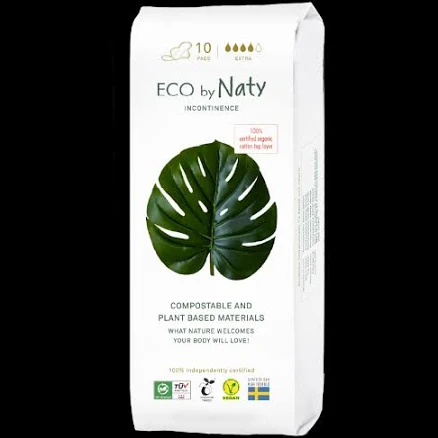
- Bamboo-derived viscose, cotton, plant-based absorbent core
- We found no PFAS statement from the brand
- Heavy metals
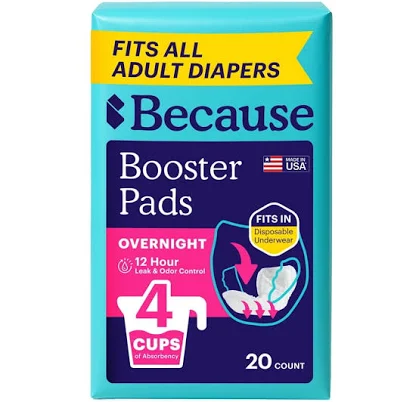
- Cellulose, superabsorbent polymer, cotton blend
- We found no PFAS statement from the brand
- Absorbent material degradation and bacterial growth
2 hazards checked on this product, all on its full breakdown.
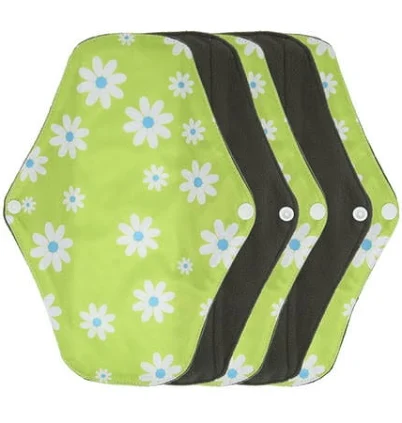
5pcs Bamboo Charcoal Washable Incontinence Pads
- bamboo charcoal textile, washable cotton-blend absorbent layer
- We found no PFAS statement from the brand
- Azo dyes and synthetic colorants
4 hazards checked on this product, all on its full breakdown.
More incontinence pads & protection grades
How we score, every product runs through the same public 0-100 rubric based on materials, coatings, brand disclosure, lab findings, and recalls. See the full methodology → Spotted a mistake? Report an error.