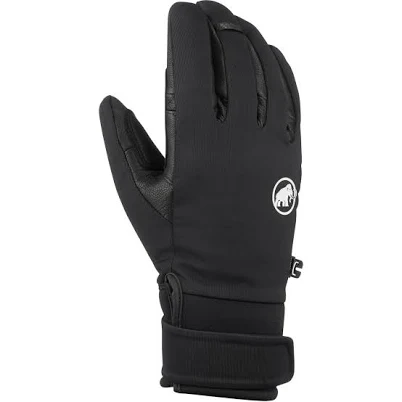
Mammut · Waterproof Winter Gloves
Mammut Astro Guide SO Glove
Pass until Mammut discloses water-repellent coating chemistry or pursues PFAS-free alternatives.
The Mammut Astro Guide SO features a water-repellent treatment with no chemistry details from the brand. Traditional PFC-based treatments remain a reasonable assumption without brand commitment to alternatives.
The better-graded swap
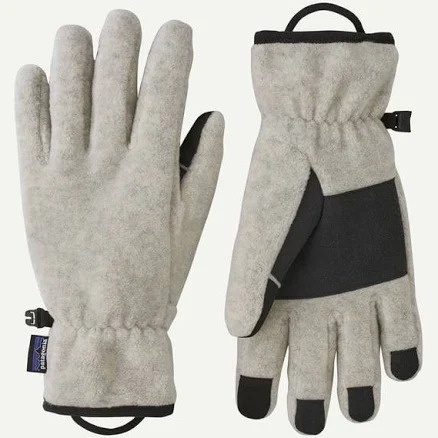
Patagonia
Patagonia Synchilla Gloves
90/100 safety
Same rubric that flunked this product. The swap earned Excellent.
Still want this one anyway? Check the price on Amazon. We’d swap it.
Material
Nylon/polyester with water-repellent coating treatment (unspecified chemistry)
Brand disclosure
Brand is silent on PFAS
Lab data
No public lab test
What Mammut Astro Guide SO Glove is made of, ingredients and materials
The Astro Guide SO uses nylon and polyester with a water-repellent coating (water-repellent coating) treatment, the composition of which Mammut does not publicly specify. Traditional water-repellent coating finishes in outdoor gloves rely on fluorinated compounds (PFAS-based), though some manufacturers have shifted to Teflon-type coating-free alternatives. Nylon and polyester themselves carry minimal intrinsic toxicity risk at skin contact; the concern centers entirely on whether the water-repellent coating layer contains legacy PFAS, newer fluorine-free systems, or wax/silicone-based repellents.
What’s concerning
Category baseline
The starting point for this type of product, before anything specific to this product is counted.
No PFAS disclosure
No public statement from the brand about PFAS in this product.
Waterproof / stain-resistant treatment
Water-repellent coating treatments have historically used PFAS.
PFAS
Water-repellent coating chemistry is unspecified by Mammut. Legacy fluorinated water-repellent coating (6:2 FTS, PFOA-like compounds) remains common in winter apparel despite phase-outs; newer fluorine-free alternatives are available but not confirmed here. Skin contact with treated textiles is low-risk for acute exposure, but manufacturing and laundering release minute quantities into wastewater.
Source, ATSDR ↗Coating degradation and particulate release
Water-repellent coating coatings on gloves naturally degrade with use and washing, releasing microparticles (including any fluorochemicals) into water and the environment. This is a category-wide issue, not specific to Mammut, but unavoidable with water-repellent textiles. Re-treatment via consumer spray products perpetuates the cycle.
What’s reassuring
Formaldehyde / VOCs
No reports of formaldehyde-resin finishes in Mammut gloves. Nylon and polyester in this product class are typically dyed and water-repelled rather than cross-linked with formaldehyde; unlikely unless a budget-tier base fabric is used, which does not appear to be the case here.
Source, ATSDR ↗Azo dyes
Mammut is a premium brand with likely compliance to OEKO-TEX or equivalent dye standards, though this is not explicitly stated. No specific safety alerts exist for this model. Azo dyes are a minor concern in outdoor gloves compared to footwear or fashion textiles.
Heavy metals
No safety alerts or recalls for Mammut winter gloves relating to lead, cadmium, or other heavy metal contamination. Premium outdoor brands typically source from mills with metal-content testing, though disclosure is rare.
Source, FDA ↗The full breakdown
The brand's record and disclosure
Mammut is a Swiss outdoor equipment maker with no publicly available policy statement on PFAS phase-out or water-repellent coating chemistry disclosure for apparel. The brand has not signed the ZDHC Gateway or similar transparency commitments regarding fluorochemicals in textiles. No major recalls or safety controversies are on record for this glove model, but the silence on water-repellent coating sourcing reflects a broader industry lag in consumer-facing transparency rather than a track record of safety.
How it compares in its category
Most winter gloves at this performance tier (insulated, waterproof) use similar nylon-polyester blends with water-repellent coating finishes; the Astro Guide is typical, not exceptional in material choice. Competitors such as Arc'teryx, The North Face, and Patagonia have begun publishing water-repellent coating transparency or committing to alternatives with lower PFAS concern, making Mammut's silence a relative weakness. Budget gloves often use cheaper polyurethane coatings instead of water-repellent coating, which avoids fluorochemicals but sacrifices durability and breathability.
If you buy it
Wash gloves in cool water with mild detergent; avoid hot water or machine drying, which can degrade the water-repellent coating layer and potentially release breakdown particles. Do not dry-clean, as solvents may compromise coatings. Expect water-repellent coating performance to fade after 5-10 washes; re-treatment products exist but reintroduce the fluorochemical question. If you have sensitivity concerns or live in an area with PFAS-contaminated water, contact Mammut directly to request water-repellent coating ingredient disclosure before purchase.
What we don’t know
- Basis
- Model estimate, 45% confidence, not a lab result
- Lab test
- None on record for this exact product
- Brand statement
- Mammut has made none
Formulations change between production runs, so check the current label. How we grade.
Better-graded alternatives in Waterproof Winter Gloves
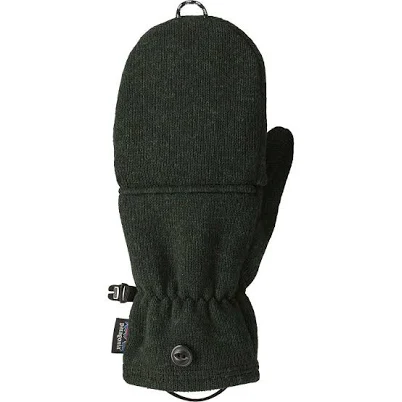
Patagonia
Better Sweater Gloves Patagonia Women's
- Polyester fleece (recycled)
- The brand calls it PFAS-free, which we have not verified
- Heavy metals
2 hazards checked on this product. See all of them.
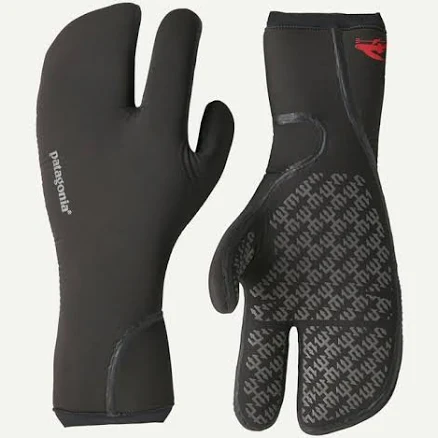
Patagonia
R4 Yulex Regulator Three Finger Mitts
- Yulex (synthetic rubber), neoprene-free alternative
- The brand calls it PFAS-free, which we have not verified
- Allergic contact dermatitis (rubber/guayule sensitivity)
2 hazards checked on this product. See all of them.
Patagonia
Synchilla Gloves
- Polyester fleece (Synchilla®); no water-repellent treatment disclosed
- The brand calls it PFAS-free, which we have not verified
- Microplastics
2 hazards checked on this product. See all of them.
More waterproof winter gloves grades
How we score, every product runs through the same public 0-100 rubric based on materials, coatings, brand disclosure, lab findings, and recalls. See the full methodology → Spotted a mistake? Report an error.