Medline · Incontinence Pads & Protection
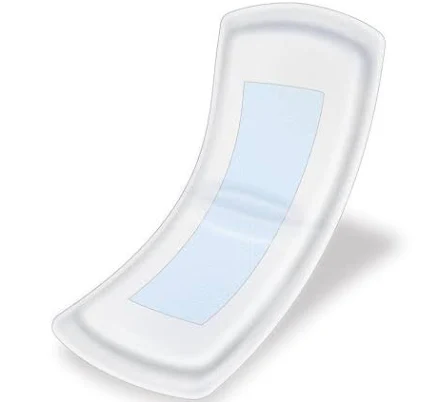
Capri Medline Bladder Control Pads
Wait for brand to disclose waterproof backing composition or seek verification.
Medline bladder control pads use an unspecified waterproof backing layer typical of incontinence products, which commonly employ PFAS-based water-repellent coating treatments. The brand makes no public PFAS disclosure or claim.
The better-graded swap
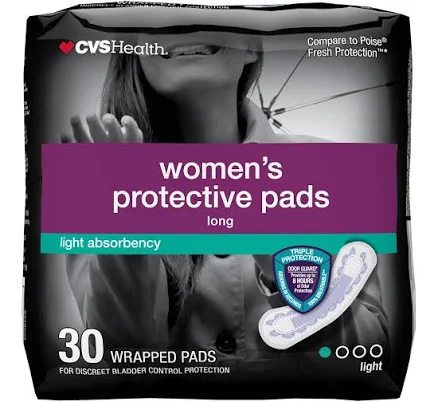
CVS Health
CVS Women's Protective Pads Moderate Absorbency
70/100 safety
Same rubric that flunked this product. The swap earned Good.
Still want this one anyway? Check the price on Amazon. We’d swap it.
Material
Nonwoven cellulose blend with waterproof backing layer (unspecified coating)
Brand disclosure
Brand is silent on PFAS
Lab data
No public lab test
What Capri Medline Bladder Control Pads is made of, ingredients and materials
Capri Medline pads use a nonwoven cellulose blend as the absorbent core, which is a standard, low-toxicity material for incontinence products. The waterproof backing layer composition is not publicly specified by Medline, which is the critical unknown, this backing typically uses either polyethylene films, polyurethane laminates, or synthetic rubber coatings, and older formulations sometimes relied on PFAS-based water repellents. The unspecified adhesives and fastening materials also lack transparency. Nonwoven cellulose itself poses minimal chemical risk under normal use conditions.
What’s concerning
Category baseline
The starting point for this type of product, before anything specific to this product is counted.
No PFAS disclosure
No public statement from the brand about PFAS in this product.
Waterproof / stain-resistant treatment
Water-repellent coating treatments have historically used PFAS.
PFAS
Medline does not disclose whether the waterproof backing uses PFAS-based or PFAS-free chemistries. Older synthetic coating formulations commonly relied on PFAS, and lack of transparency suggests possible use. Direct skin contact with incontinence pads creates a route for dermal or mucosal absorption of any PFAS present.
Source, ATSDR ↗Unidentified synthetic coating leachates
The unspecified waterproof backing may contain polyurethane, polyethylene, or rubber compounds that can release oligomers, plasticizers, or uncrosslinked monomers under moisture, warmth, or extended contact. Prolonged skin exposure in incontinence use increases leaching risk compared to brief contact.
Adhesive residues and skin sensitization
Incontinence pads typically use pressure-sensitive adhesives to secure tabs or fasteners. Uncrosslinked acrylates or other adhesive components can migrate onto skin, particularly in warm, moist conditions. Formaldehyde releasers in adhesive formulations are not ruled out without ingredient disclosure.
Skin irritation from repeated moisture and maceration
This is not a direct chemical hazard but a use-related risk, prolonged moisture under occlusive pads degrades skin barrier integrity, increasing absorption of any chemical residues. Users with sensitive skin or incontinence-associated dermatitis may have amplified exposure to coating leachates.
What’s reassuring
Microplastic or microfiber shedding
Nonwoven cellulose blends are not documented to shed microplastics in incontinence use, but quality control and material durability data for Capri Medline specifically are not publicly available. Degradation of the backing layer under extended moisture could theoretically release fibers.
The full breakdown
The brand's record and disclosure
Medline Industries is a large private medical-supply manufacturer with limited public chemical disclosure compared to consumer brands. The company has not issued a transparency statement on PFAS use in incontinence products, and Purefit line-specific ingredient data is not readily available on their website or product labeling. No formal recalls related to chemical leaching or skin reactions for this specific product line are on record, but Medline's overall silence on waterproof coating chemistry is a red flag for consumer advocacy groups focused on PFAS exposure. The brand has not pursued certifications like OEKO-TEX or similar chemical safety standards for incontinence pads.
How it compares in its category
Most incontinence pads on the market use similar nonwoven cellulose cores with undisclosed waterproof backings, making Capri Medline typical rather than exceptional. A few premium or eco-focused competitors (such as Aunt Flow or Seventh Generation incontinence lines) provide more detailed material lists and PFAS commitments. Medline's pricing is mid-market, and the lack of transparency is common across mass-market brands but increasingly seen as outdated in light of PFAS regulatory attention. Generic store-brand pads and Medline products occupy the same disclosure vacuum.
If you buy it
Store pads in a cool, dry place away from direct heat or sunlight, as warm conditions can increase leaching from synthetic backing coatings. Do not microwave or expose pads to high heat. Replace pads as soon as soiling occurs to minimize skin contact time with any coating residue. Discontinue use immediately if you experience skin irritation, rash, or allergic reactions, and consider patch-testing on a small skin area first if you have sensitive skin. Contact Medline directly to request waterproof backing composition data for your own risk assessment.
What we don’t know
- Basis
- Model estimate, 45% confidence, not a lab result
- Lab test
- None on record for this exact product
- Brand statement
- Medline has made none
Formulations change between production runs, so check the current label. How we grade.
Better-graded alternatives in Incontinence Pads & Protection
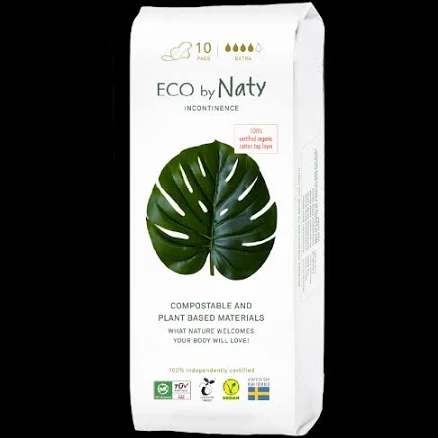
Eco By Naty
Incontinence Pads
- Bamboo-derived viscose, cotton, plant-based absorbent core
- We found no PFAS statement from the brand
- Heavy metals
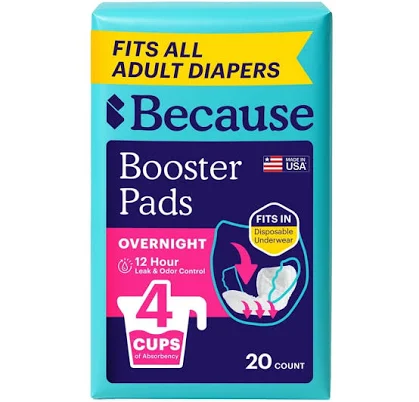
Because Market
Because Booster Pads
- Cellulose, superabsorbent polymer, cotton blend
- We found no PFAS statement from the brand
- Absorbent material degradation and bacterial growth
2 hazards checked on this product. See all of them.
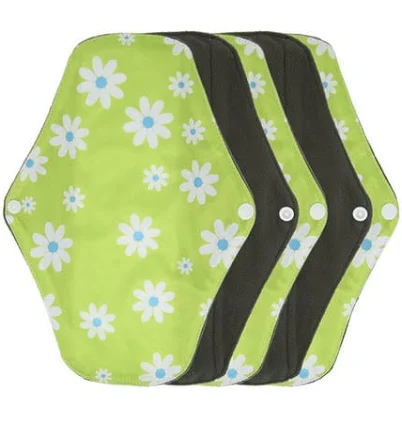
5pcs Bamboo Charcoal Washable Incontinence Pads
- bamboo charcoal textile, washable cotton-blend absorbent layer
- We found no PFAS statement from the brand
- Azo dyes and synthetic colorants
4 hazards checked on this product. See all of them.
More incontinence pads & protection grades
How we score, every product runs through the same public 0-100 rubric based on materials, coatings, brand disclosure, lab findings, and recalls. See the full methodology → Spotted a mistake? Report an error.