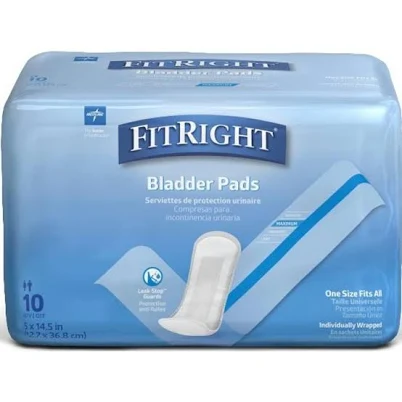
Medline · Incontinence Pads & Protection
Carewell Medline Bladder Control Pads
Wait for brand to disclose or test waterproof backing materials.
Medline's Purefit bladder control pads use a waterproof backing layer, a common location for PFAS in absorbent hygiene products, but the brand does not disclose materials or PFAS status. No third-party lab data or certifications are publicly available.
The better-graded swap
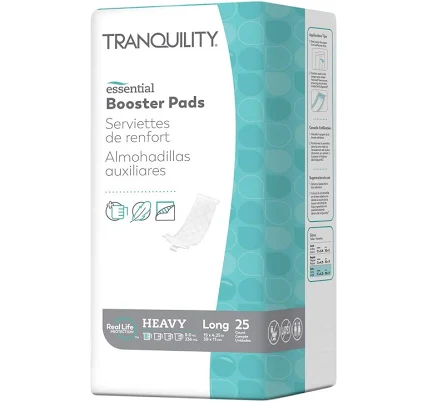
Tranquility
Tranquility Essential Booster Pads Heavy Absorbency, Long - 4-1/4 x 15 Inch (Case of 200)
70/100 safety
Same rubric that flunked this product. The swap earned Good.
Still want this one anyway? Check the price on Amazon. We’d swap it.
Material
cellulose/nonwoven with unspecified waterproof backing
Brand disclosure
Brand is silent on PFAS
Lab data
No public lab test
What Carewell Medline Bladder Control Pads is made of, ingredients and materials
Carewell Medline pads use cellulose (wood-based absorbent core) and nonwoven synthetic layers with an unspecified waterproof backing. The backing is the critical unknown, most incontinence pads rely on either polyethylene (PE), polypropylene (PP), or synthetic rubber to prevent leakage, but Medline does not publicly detail which material or whether it contains PFAS-based water repellents. Cellulose itself is low-risk for chemical leaching, but the backing's composition directly affects skin contact safety and environmental persistence.
What’s concerning
Category baseline
The starting point for this type of product, before anything specific to this product is counted.
No PFAS disclosure
No public statement from the brand about PFAS in this product.
Waterproof / stain-resistant treatment
Water-repellent coating treatments have historically used PFAS.
PFAS
Waterproof layer composition is undisclosed; incontinence pads commonly use Teflon-type coating or other fluorinated polymers or coatings to repel moisture. Skin contact with PFAS-containing materials presents low acute risk but raises bioaccumulation and long-term exposure concerns, especially for frequent users. Medline has not ruled this out.
Source, ATSDR ↗Skin irritation and maceration (moisture-related)
Even with good absorbency, nonwoven materials can trap moisture against skin if not changed frequently, creating conditions for bacterial or fungal growth. Risk is not chemical but mechanical; vulnerability increases in elderly or immobilized individuals. Frequent changes and skin barrier care (diaper rash cream) mitigate this.
Unidentified adhesives or tackifiers in backsheet and fasteners
Incontinence pads use pressure-sensitive adhesives to secure fit; Medline does not specify whether these contain acrylates, plasticizers, or other skin-contact chemicals. Allergic contact dermatitis to adhesives is documented in sensitive users, particularly with extended wear.
Formaldehyde / VOCs
Some nonwoven synthetic textiles are treated with formaldehyde-based resins for durability; Medline does not disclose finish chemistry. Skin contact is typically low-risk, but users with formaldehyde sensitivity or eczema may experience irritation. Airing pads before use can reduce off-gassing if present.
Source, ATSDR ↗What’s reassuring
Microfiber or synthetic particulate shedding
No published recalls or complaints of microfiber fragmentation in Medline incontinence pads. Nonwoven integrity generally holds under normal use, but mechanical degradation in washing (if reusable backings are involved) or storage heat could theoretically release particles.
The full breakdown
The brand's record and disclosure
Medline is a major medical device manufacturer with established quality certifications but has not publicly committed to PFAS-free formulations or detailed ingredient transparency for incontinence products. The brand's silence on backing materials and chemical composition is notable given industry-wide awareness of PFAS use in absorbent hygiene products. No major recalls or toxicity scandals are on record for this specific product line, but absence of disclosure is not the same as absence of concern.
How it compares in its category
Most mass-market incontinence pads (Depends, Always Discreet, Tena) face the same opacity around backing materials and PFAS risk. Some premium or eco-focused brands (e.g., Seventh Generation, certain bamboo-based products) publish chemical compatibility statements or third-party certifications. Medline's positioning as a clinical-grade brand creates an expectation of transparency that is not yet met for waterproofing chemistry.
If you buy it
Change pads every 2-4 hours or when visibly saturated to minimize skin contact duration and bacterial overgrowth risk. Inspect skin daily for rash, irritation, or breakdown; if symptoms develop, discontinue and try an alternative brand or material (cloth reusables, PE-only backings if available). Store in cool, dry conditions away from heat or direct sunlight. Request a Material Safety Data Sheet or ingredient list from Medline customer service; pressure for disclosure may accelerate brand transparency across the category.
What we don’t know
- Basis
- Model estimate, 35% confidence, not a lab result
- Lab test
- None on record for this exact product
- Brand statement
- Medline has made none
Formulations change between production runs, so check the current label. How we grade.
Better-graded alternatives in Incontinence Pads & Protection
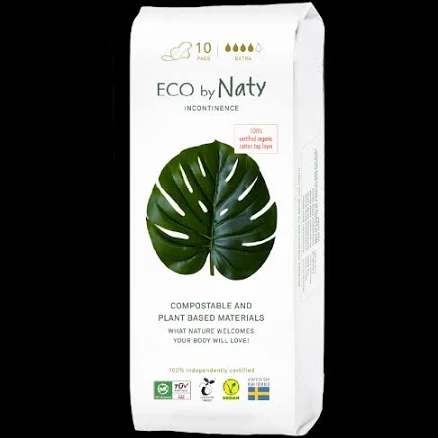
Eco By Naty
Incontinence Pads
- Bamboo-derived viscose, cotton, plant-based absorbent core
- We found no PFAS statement from the brand
- Heavy metals
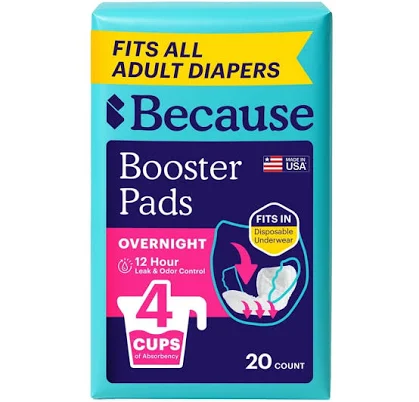
Because Market
Because Booster Pads
- Cellulose, superabsorbent polymer, cotton blend
- We found no PFAS statement from the brand
- Absorbent material degradation and bacterial growth
2 hazards checked on this product. See all of them.
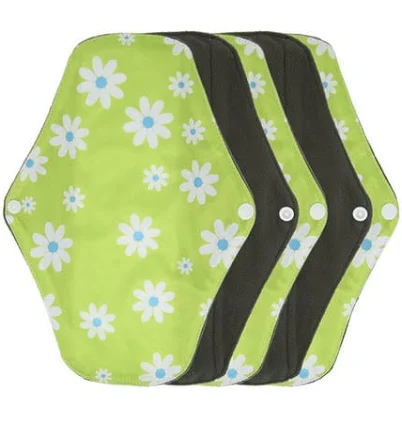
5pcs Bamboo Charcoal Washable Incontinence Pads
- bamboo charcoal textile, washable cotton-blend absorbent layer
- We found no PFAS statement from the brand
- Azo dyes and synthetic colorants
4 hazards checked on this product. See all of them.
More incontinence pads & protection grades
How we score, every product runs through the same public 0-100 rubric based on materials, coatings, brand disclosure, lab findings, and recalls. See the full methodology → Spotted a mistake? Report an error.