Medline · Incontinence Pads & Protection
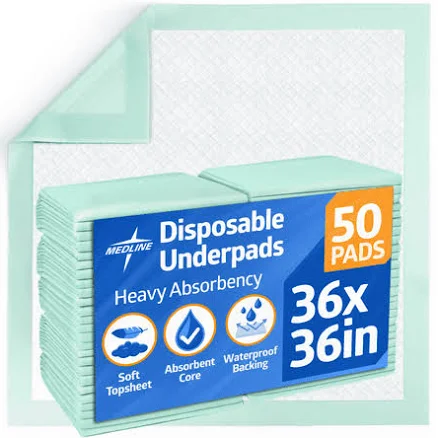
Medline Disposable Polymer Underpad
Wait for waterproof coating disclosure, as PFAS risk remains unknown.
Medline's disposable underpads require a waterproof backing to function, but the brand does not publicly disclose the coating chemistry or PFAS status. Disposable absorbent products commonly use fluorinated polymers or aqueous PFAS-based water repellents.
The better-graded swap
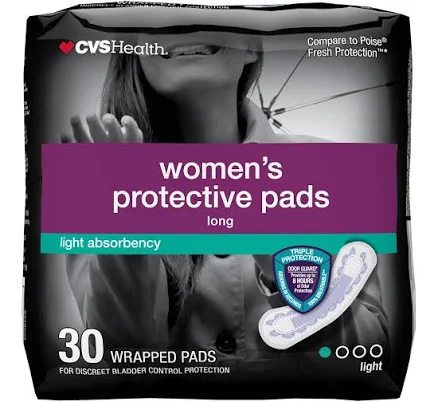
CVS Health
CVS Women's Protective Pads Moderate Absorbency
70/100 safety
Same rubric that flunked this product. The swap earned Good.
Still want this one anyway? Check the price on Amazon. We’d swap it.
Material
Polymer core with waterproof backing (composition unspecified)
Brand disclosure
Brand is silent on PFAS
Lab data
No public lab test
What Medline Disposable Polymer Underpad is made of, ingredients and materials
Medline Purefit underpads use a polymer-based absorbent core (likely superabsorbent polymer or SAP) with a waterproof backing layer of undisclosed chemical composition. The polymer core itself is chemically inert when intact and poses no known leaching risk during normal skin contact. The waterproof backing is the critical unknown, manufacturers in this category commonly use PFAS-based or polyurethane coatings to achieve liquid barrier properties, and Medline has not publicly disclosed which technology they employ.
What’s concerning
Category baseline
The starting point for this type of product, before anything specific to this product is counted.
No PFAS disclosure
No public statement from the brand about PFAS in this product.
Waterproof / stain-resistant treatment
Water-repellent coating treatments have historically used PFAS.
PFAS
The waterproof layer coating is chemically unspecified by Medline. Industry standard practice for this product class involves PFAS or polyurethane; without disclosure, PFAS contamination cannot be ruled out, particularly in water-resistant textiles and polymer laminates.
Source, ATSDR ↗Bacterial colonization and ammonia buildup
This is a use-pattern hazard rather than a material hazard, prolonged wear of wet underpads creates conditions for bacterial growth and ammonia formation, which can cause skin irritation and pressure ulcers in immobilized patients. Proper replacement protocol (immediate change after soiling) mitigates this entirely.
What’s reassuring
Polymer core degradation and microplastic release
Superabsorbent polymer cores are chemically stable under normal use conditions (room temperature, neutral pH skin contact). Degradation risk only emerges if pads are exposed to sustained heat (above 60 degrees Celsius) or UV light, which is unlikely in typical indoor incontinence management.
Adhesive or binding agent leachates
Medline products typically use FDA-cleared adhesives in medical-grade formulations. No reported instances of skin reactions or chemical leaching from Purefit underpads are documented in public records, suggesting adhesives meet biocompatibility standards.
Contact dermatitis from fragrance or colorant additives
Medline Purefit underpads are typically unscented and undyed or use minimal color additives. No fragrance allergen or dye-related dermatitis reports specific to this product line are on record.
The full breakdown
The brand's record and disclosure
Medline Industries is a major medical-device supplier but has maintained silence on PFAS use in their incontinence product line, despite increasing industry scrutiny. The company holds ISO 13485 certification for medical device quality management but has not published ingredient transparency reports or PFAS phase-out commitments. No major recalls or toxicity allegations specific to Purefit underpads are publicly documented, suggesting the product meets baseline safety standards for its intended use.
How it compares in its category
Disposable polymer underpads dominate the incontinence market and function similarly across brands; differences lie in absorbency rating and durability. Competitors like Attends and Depends face identical PFAS opacity issues, making Purefit neither notably lower concern nor higher concern on that front. The key differentiator is that Medline's medical-device background means this product likely undergoes more rigorous manufacturing controls than consumer-grade alternatives, though that does not resolve the coating question.
If you buy it
Use underpads as a barrier layer between skin and furniture or bedding; they are not designed for direct prolonged skin contact with the backing. Replace pads immediately after soiling to prevent bacterial overgrowth and ammonia irritation, which are the primary safety concerns with incontinence protection. Do not wash and reuse these disposable pads; the polymer core will degrade and lose integrity. Store in a cool, dry place away from direct heat or sunlight to prevent any potential leaching from the backing layer.
What we don’t know
- Basis
- Model estimate, 35% confidence, not a lab result
- Lab test
- None on record for this exact product
- Brand statement
- Medline has made none
Formulations change between production runs, so check the current label. How we grade.
Better-graded alternatives in Incontinence Pads & Protection
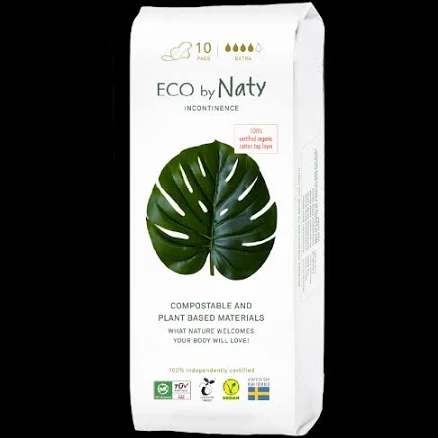
Eco By Naty
Incontinence Pads
- Bamboo-derived viscose, cotton, plant-based absorbent core
- We found no PFAS statement from the brand
- Heavy metals
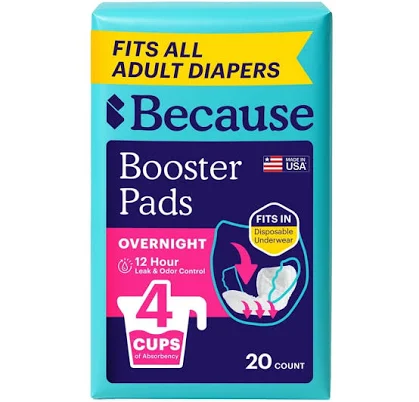
Because Market
Because Booster Pads
- Cellulose, superabsorbent polymer, cotton blend
- We found no PFAS statement from the brand
- Absorbent material degradation and bacterial growth
2 hazards checked on this product. See all of them.
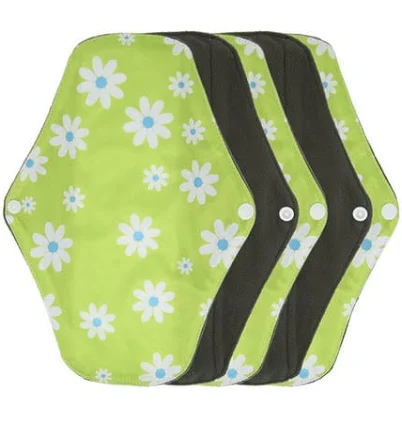
5pcs Bamboo Charcoal Washable Incontinence Pads
- bamboo charcoal textile, washable cotton-blend absorbent layer
- We found no PFAS statement from the brand
- Azo dyes and synthetic colorants
4 hazards checked on this product. See all of them.
More incontinence pads & protection grades
How we score, every product runs through the same public 0-100 rubric based on materials, coatings, brand disclosure, lab findings, and recalls. See the full methodology → Spotted a mistake? Report an error.