Medline · Incontinence Pads & Protection
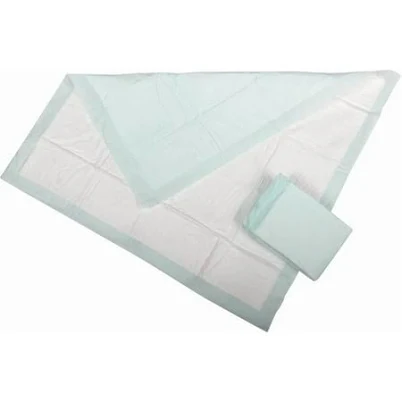
Medline Disposable Polymer Underpads
Wait for Medline to disclose coating chemistry or obtain third-party verification.
Medline's Purefit underpads use polymer with waterproof treatment but provide no public disclosure of coating composition or PFAS status. Disposable incontinence products commonly use fluorinated water-repellent treatments, yet Medline has not published ingredient transparency.
The better-graded swap
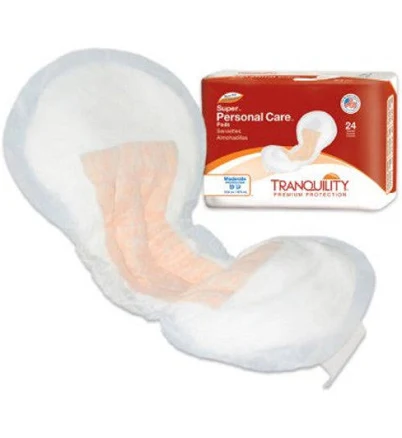
Tranquility
PBE Tranquility Personal Care Pads
70/100 safety
Same rubric that flunked this product. The swap earned Good.
Still want this one anyway? Check the price on Amazon. We’d swap it.
Material
Polymer blend with waterproof backing (unspecified coating)
Brand disclosure
Brand is silent on PFAS
Lab data
No public lab test
What Medline Disposable Polymer Underpads is made of, ingredients and materials
Medline Purefit underpads use a polymer blend (likely polyethylene or polypropylene) with an unspecified waterproof backing coating. The backing is the critical unknown, waterproofing in disposable incontinence products typically relies on either polyurethane, silicone, or fluorinated compounds (PFAS). Without Medline's disclosure, you cannot verify whether the coating contains PFAS, which migrate into skin contact over extended wear.
What’s concerning
Category baseline
The starting point for this type of product, before anything specific to this product is counted.
No PFAS disclosure
No public statement from the brand about PFAS in this product.
Waterproof / stain-resistant treatment
Water-repellent coating treatments have historically used PFAS.
PFAS
Waterproof coatings in disposable underpads commonly use PFAS as water-repellent agents. Medline has not disclosed the backing chemistry, and prolonged skin contact (hours per day) with PFAS-containing polymers carries documented bioaccumulation risk, especially in elderly and immobilized users with compromised skin barriers.
Source, ATSDR ↗Polyurethane or silicone off-gassing
If the backing uses polyurethane elastomers without proper curing, volatile organic compounds (VOCs) may off-gas, particularly when stored in warm conditions. Silicone alternatives are generally lower-risk but data on this product's specific formulation is unavailable.
Polymer degradation and microparticle shedding
Repeated folding, friction, and moisture exposure can degrade the polymer surface, releasing microparticles. While not definitively linked to systemic harm, prolonged exposure to polymer dust and fragments during frequent pad changes poses an inhalation risk, particularly for caregivers.
Skin irritation from synthetic backing contact
Incontinence pad users commonly report contact dermatitis, maceration, and sensitization to synthetic polymer backings. Non-breathable coatings trap moisture and heat, creating conditions for bacterial and fungal overgrowth. This is a known issue across the category, not unique to Medline, but still a material concern for prolonged use.
What’s reassuring
Adhesive or fastener components (if present)
Medline Purefit underpads typically do not use adhesives; they are placed under the user. If elastic or fastener components are added in certain variants, acrylate adhesives or latex could pose allergic risk, but no specific formulation data is publicly available.
The full breakdown
The brand's record and disclosure
Medline Industries is a major medical-supply manufacturer with no public commitment to eliminating PFAS chemistry or ingredient transparency for disposable products. The company has not published a PFAS policy or third-party certifications (such as Cradle to Cradle or similar) for this product line. Requests for coating composition have not yielded public responses, placing this product in a disclosure vacuum typical of many mass-market incontinence pads.
How it compares in its category
Most disposable underpads use waterproof backings with unknown or likely PFAS-containing chemistry; Medline Purefit is typical in this regard rather than exceptional. Alternatives like Tranquility or Depend offer similarly opaque ingredient disclosure. Cloth-backed or washable underpads (e.g., cotton-polyester blends with laminated PU) reduce single-use polymer waste but still may contain PFAS in coatings if not specifically marketed as PFAS-free.
If you buy it
Change pads frequently (every 2-4 hours or when saturated) to minimize prolonged skin contact with the backing coating. Avoid high heat during any washing if reusing backing layers; heat can increase leaching. For extended bed use, apply a cotton barrier layer between skin and the pad if possible. Request Medline's safety data sheet (SDS) or coating composition; consumer pressure for disclosure is the most effective lever for transparency.
What we don’t know
- Basis
- Model estimate, 35% confidence, not a lab result
- Lab test
- None on record for this exact product
- Brand statement
- Medline has made none
Formulations change between production runs, so check the current label. How we grade.
Better-graded alternatives in Incontinence Pads & Protection
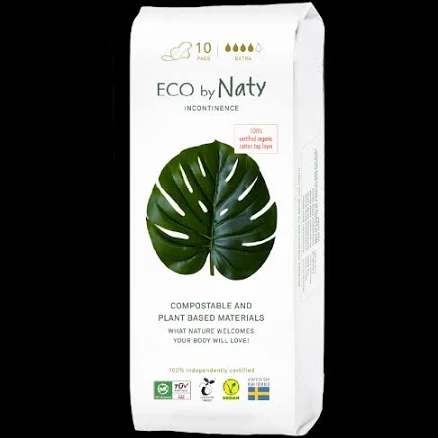
Eco By Naty
Incontinence Pads
- Bamboo-derived viscose, cotton, plant-based absorbent core
- We found no PFAS statement from the brand
- Heavy metals
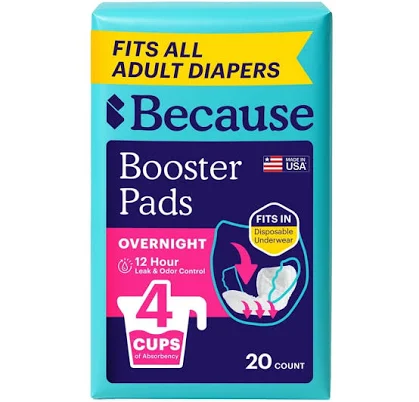
Because Market
Because Booster Pads
- Cellulose, superabsorbent polymer, cotton blend
- We found no PFAS statement from the brand
- Absorbent material degradation and bacterial growth
2 hazards checked on this product. See all of them.
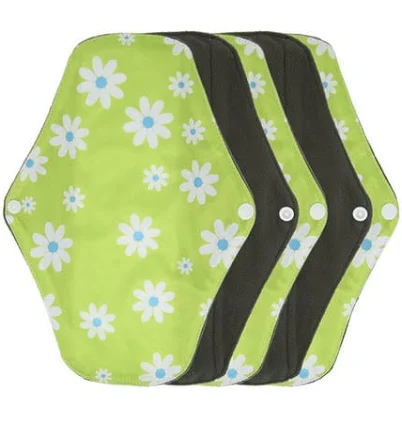
5pcs Bamboo Charcoal Washable Incontinence Pads
- bamboo charcoal textile, washable cotton-blend absorbent layer
- We found no PFAS statement from the brand
- Azo dyes and synthetic colorants
4 hazards checked on this product. See all of them.
More incontinence pads & protection grades
How we score, every product runs through the same public 0-100 rubric based on materials, coatings, brand disclosure, lab findings, and recalls. See the full methodology → Spotted a mistake? Report an error.