Medline · Incontinence Pads & Protection
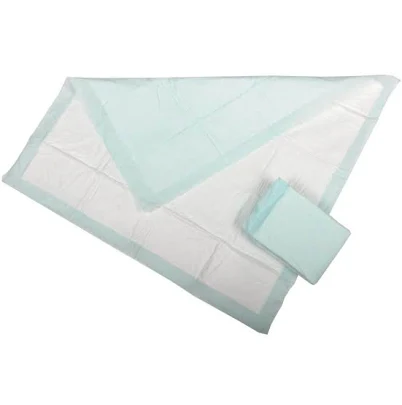
Medline Premium Disposable Underpads
Wait for Medline to disclose waterproof coating chemistry before purchasing.
Medline Premium Disposable Underpads are incontinence pads with a waterproof backing, a typical PFAS application area. Medline provides no public disclosure of the backing chemistry or any PFAS-free claim.
The better-graded swap
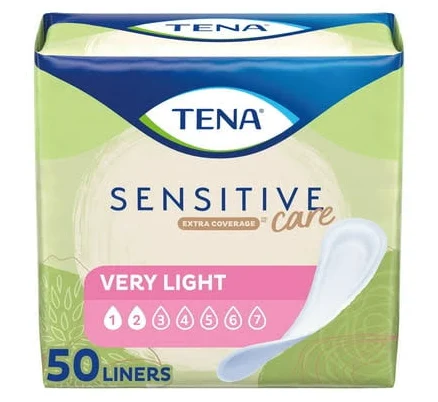
Tena
TENA Very Light
70/100 safety
Same rubric that flunked this product. The swap earned Good.
Still want this one anyway? Check the price on Amazon. We’d swap it.
Material
Cellulose/polymer blend with waterproof backing coating (unspecified)
Brand disclosure
Brand is silent on PFAS
Lab data
No public lab test
What Medline Premium Disposable Underpads is made of, ingredients and materials
Medline Premium Disposable Underpads are a cellulose and polymer blend with an unspecified waterproof backing coating. Cellulose itself is inert, but the polymer layers and adhesives may contain synthetic compounds. The waterproof backing is the critical unknown, it could use Teflon-family coating-based coatings (common in the category) or other polymer chemistries, but Medline has not disclosed which. This lack of transparency makes it impossible to assess whether the backing contains PFAS or other persistent chemical coatings.
What’s concerning
Category baseline
The starting point for this type of product, before anything specific to this product is counted.
No PFAS disclosure
No public statement from the brand about PFAS in this product.
Waterproof / stain-resistant treatment
Water-repellent coating treatments have historically used PFAS.
PFAS
Medline does not disclose the waterproof backing chemistry. Industry-wide, most disposable incontinence pads use Teflon-family coating or other synthetic polymer coatings; PFAS is common in this application. Until Medline provides chemical data, the coating type and any non-PFAS hazard potential remain unverified.
Source, ATSDR ↗Skin contact and maceration risk
Prolonged contact with a waterproof, occlusive surface can trap moisture and heat against skin, increasing dermatitis and pressure ulcer risk if pads are not changed frequently. This is inherent to the product design, not a chemical hazard, but important for safe use.
What’s reassuring
Adhesive residues and polymer particles
Medline does not list adhesive composition or additives. Degradation of polymer fibers or adhesive over time could release microparticles, but no recalls or reports of this are on record for this product.
Formaldehyde / VOCs
Cellulose-based incontinence pads sometimes use formaldehyde-containing resins for fiber bonding. Medline has not disclosed whether this product uses such binders. No safety alerts specific to this product are on record.
Source, ATSDR ↗The full breakdown
The brand's record and disclosure
Medline is a large medical device and supply manufacturer with no established public stance on PFAS in waterproof textile backings or incontinence products. The company has not issued voluntary disclosure documents, certifications, or commitments to phase out fluorinated coatings in this product line. Industry pressure on PFAS has grown, but Medline's silence on this specific product category leaves consumers without a clear safety pathway.
How it compares in its category
Disposable incontinence underpads are a high-volume commodity in healthcare and home settings. Most brands in this category use waterproof backing coatings; few disclose their chemistry publicly. Some manufacturers have begun offering polyurethane-backed alternatives as a lower-PFAS option, though verification remains difficult. Medline's Premium line does not advertise any alternative coating chemistry, suggesting it follows conventional industry practice.
If you buy it
Store underpads in a cool, dry place away from heat and direct sunlight; polymer coatings can degrade if exposed to sustained warmth. Do not reuse disposable pads; they are designed for single use and will lose waterproof integrity after laundering. Replace immediately after soiling to prevent skin maceration and odor. If you have the option to contact Medline directly, request written confirmation of the waterproof backing material; this may inform future purchases.
What we don’t know
- Basis
- Model estimate, 35% confidence, not a lab result
- Lab test
- None on record for this exact product
- Brand statement
- Medline has made none
Formulations change between production runs, so check the current label. How we grade.
Better-graded alternatives in Incontinence Pads & Protection
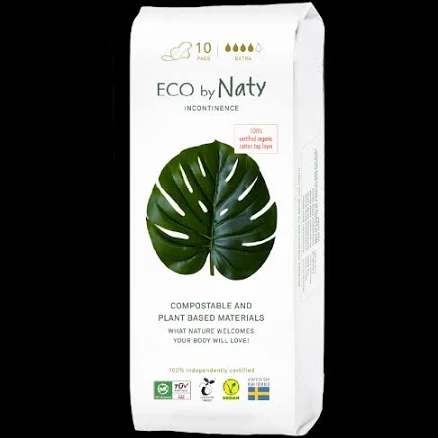
Eco By Naty
Incontinence Pads
- Bamboo-derived viscose, cotton, plant-based absorbent core
- We found no PFAS statement from the brand
- Heavy metals
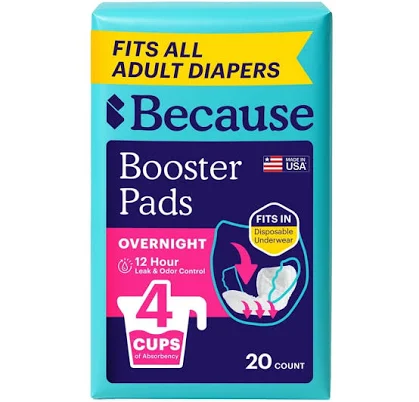
Because Market
Because Booster Pads
- Cellulose, superabsorbent polymer, cotton blend
- We found no PFAS statement from the brand
- Absorbent material degradation and bacterial growth
2 hazards checked on this product. See all of them.
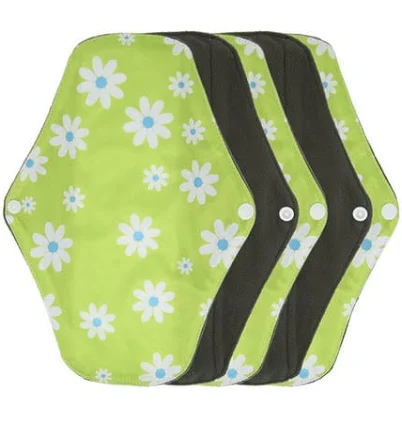
5pcs Bamboo Charcoal Washable Incontinence Pads
- bamboo charcoal textile, washable cotton-blend absorbent layer
- We found no PFAS statement from the brand
- Azo dyes and synthetic colorants
4 hazards checked on this product. See all of them.
More incontinence pads & protection grades
How we score, every product runs through the same public 0-100 rubric based on materials, coatings, brand disclosure, lab findings, and recalls. See the full methodology → Spotted a mistake? Report an error.