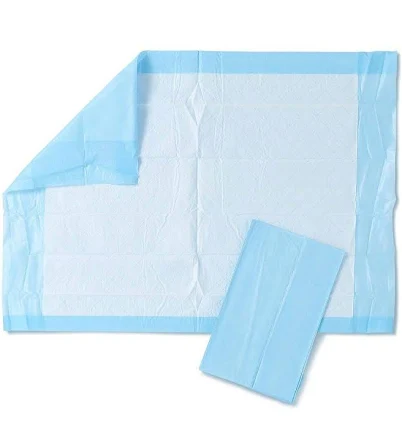
Medline · Incontinence Pads & Protection
Medline Protection Plus Disposable Underpads
Wait for waterproof coating disclosure, as typical underpads use water-repellent coating treatments.
Medline underpads are designed with waterproof backing to prevent leaks, but the brand does not disclose the chemical composition of this barrier layer. Waterproof coatings on absorbent products commonly use PFAS "forever chemicals" for durability.
The better-graded swap
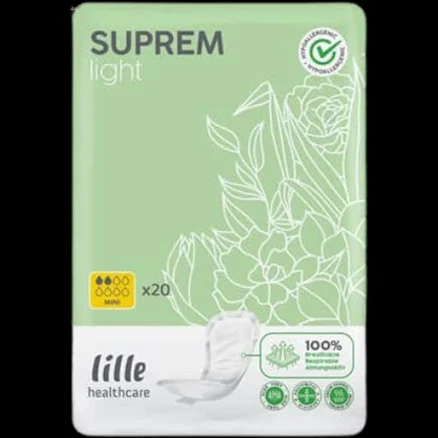
Lille
Suprem Light Mini 220ml 12 Packs Per Carton
70/100 safety
Same rubric that flunked this product. The swap earned Good.
Still want this one anyway? Check the price on Amazon. We’d swap it.
Material
cellulose/nonwoven with waterproof backing layer (composition unspecified)
Brand disclosure
Brand is silent on PFAS
Lab data
No public lab test
What Medline Protection Plus Disposable is made of, ingredients and materials
Medline Protection Plus uses a cellulose/nonwoven absorbent layer paired with an unspecified waterproof backing. The cellulose component has no hazard of this kind on record, but the backing composition (likely polyethylene, polyurethane, or coated material) determines leachate risk and potential PFAS concern. Medline does not publicly disclose whether the waterproof layer uses water-repellent coating (water-repellent coating) treatments, which commonly contain PFAS compounds in this product category.
What’s concerning
Category baseline
The starting point for this type of product, before anything specific to this product is counted.
No PFAS disclosure
No public statement from the brand about PFAS in this product.
Waterproof / stain-resistant treatment
Water-repellent coating treatments have historically used PFAS.
Waterproof backing composition and leachates
The unspecified backing material may shed microparticles or leachates during extended contact with skin or moisture; polyethylene and polyurethane backings are generally stable but can degrade under heat or friction, particularly with repeated washing if the product is rinsed rather than discarded.
Bacterial and mold growth if improperly maintained
Any absorbent incontinence pad left in place for extended periods creates a moist microenvironment that promotes bacterial and fungal colonization; this is a known clinical concern in incontinence care and requires frequent changes and skin inspection to mitigate.
Skin irritation from adhesives or coating residues
Adhesive strips or coating materials used to anchor underpads to bedding may contain acrylates or other irritants; individuals with sensitive skin or latex allergy should verify that the product is latex-free, though no allergy warnings are listed in standard product information.
What’s reassuring
Microplastic shedding from nonwoven layers
No recalls or studies specifically document microplastic shedding from Medline underpads. Nonwoven cellulose products are generally stable, but mechanical wear (friction, folding) could theoretically generate particles; clinical evidence of harm is not established for incontinence pads.
The full breakdown
The brand's record and disclosure
Medline is a large medical supply manufacturer with no major product safety recalls on incontinence pads in recent public records. However, the company maintains silence on PFAS use in waterproof coatings across its product lines, which is a notable gap given industry scrutiny. No third-party certifications (such as Oeko-Tex or GOTS) are listed for this specific product, limiting independent verification of chemical content.
How it compares in its category
Disposable underpads in this market segment typically rely on plastic-based waterproof backings; alternatives vary mainly in absorbency rating and reusability rather than chemical composition. Reusable cloth underpads with synthetic waterproof liners (or washable options with polyurethane) exist as lower-volume alternatives but introduce washing-related wear hazards. Medline's position as a clinical-grade supplier suggests quality control but does not address the PFAS transparency gap common across the segment.
If you buy it
Store underpads in a cool, dry location away from heat and direct sunlight to avoid any potential degradation of the waterproof backing. Replace pads immediately after use or within 2-3 hours to minimize skin contact time and bacterial growth risk in moist conditions. Do not expose to temperatures above 70C (158F) during washing or storage. Request a Safety Data Sheet (SDS) or written confirmation from Medline regarding the waterproof backing composition and PFAS presence before committing to large-volume purchases.
What we don’t know
- Basis
- Model estimate, 35% confidence, not a lab result
- Lab test
- None on record for this exact product
- Brand statement
- Medline has made none
Formulations change between production runs, so check the current label. How we grade.
Better-graded alternatives in Incontinence Pads & Protection
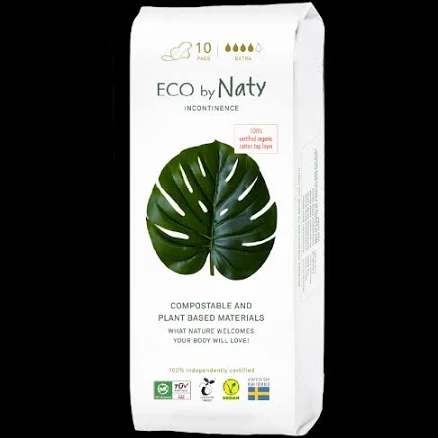
Eco By Naty
Incontinence Pads
- Bamboo-derived viscose, cotton, plant-based absorbent core
- We found no PFAS statement from the brand
- Heavy metals
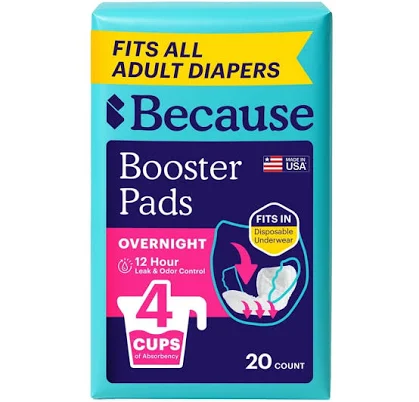
Because Market
Because Booster Pads
- Cellulose, superabsorbent polymer, cotton blend
- We found no PFAS statement from the brand
- Absorbent material degradation and bacterial growth
2 hazards checked on this product. See all of them.
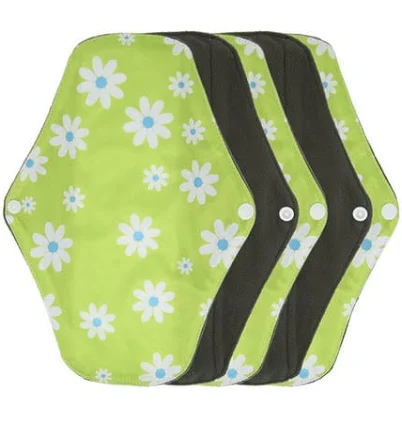
5pcs Bamboo Charcoal Washable Incontinence Pads
- bamboo charcoal textile, washable cotton-blend absorbent layer
- We found no PFAS statement from the brand
- Azo dyes and synthetic colorants
4 hazards checked on this product. See all of them.
More incontinence pads & protection grades
How we score, every product runs through the same public 0-100 rubric based on materials, coatings, brand disclosure, lab findings, and recalls. See the full methodology → Spotted a mistake? Report an error.