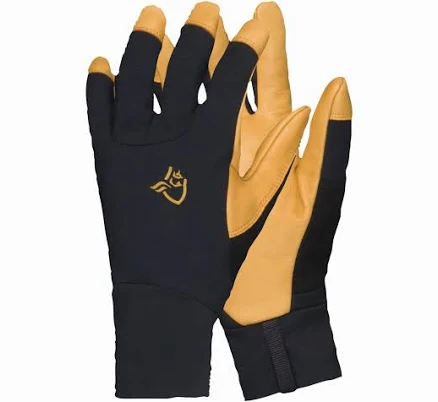
Norrona · Waterproof Winter Gloves
Norrøna Lyngen Windstopper Leather Gloves
Pass until the brand discloses coating chemistry; Windstopper plus leather waterproofing raise PFAS concern.
Norrona doesn't disclose whether these leather gloves use PFAS-based water-repellent treatments or membrane coatings. Windstopper technology and leather waterproofing typically involve water-repellent coating treatment with moderate PFAS risk.
The better-graded swap
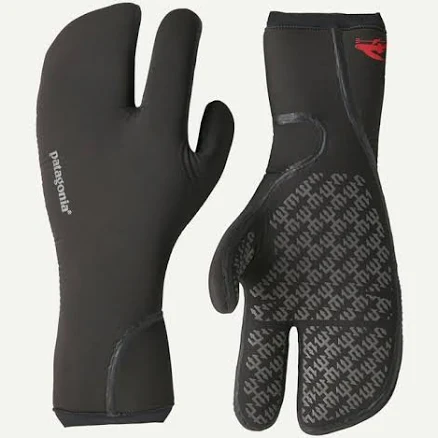
Patagonia
Patagonia R4 Yulex Regulator Three Finger Mitts
90/100 safety
Same rubric that flunked this product. The swap earned Excellent.
Still want this one anyway? Check the price on Amazon. We’d swap it.
Material
Leather with Windstopper membrane (unspecified coating); waterproof/windproof treatment
Brand disclosure
Brand is silent on PFAS
Lab data
No public lab test
What Norrøna Lyngen Windstopper Leather Gloves is made of, ingredients and materials
Norrøna Lyngen gloves combine leather (typically goat or sheepskin in premium winter gloves) with a Windstopper membrane, a synthetic laminate that blocks wind while allowing moisture vapor escape. The waterproofing and windproofing are achieved through chemical treatments applied to or within the membrane and leather surface. Leather itself is a natural material with low inherent toxicity, but the applied coatings and their durability over repeated washing and flexing are the primary safety consideration here.
What’s concerning
Category baseline
The starting point for this type of product, before anything specific to this product is counted.
No PFAS disclosure
No public statement from the brand about PFAS in this product.
Waterproof / stain-resistant treatment
Water-repellent coating treatments have historically used PFAS.
Coating degradation and leachate exposure
As the waterproof/windproof treatment ages and flexes at hand joints, the coating may flake or leach into sweat. No specific safety data exists for Norrøna's coating formulation, but users should inspect gloves for visible breakdown and replace if delamination or surface cracking appears.
Bacterial or fungal growth in membrane if wet
Windstopper membranes trap moisture if not dried properly after use. Extended dampness can promote mold colonization within the laminate. Proper air drying (not heat) and storage in ventilated conditions mitigates this risk.
What’s reassuring
Formaldehyde / VOCs
Premium leather goods may use formaldehyde-based tanning or preservation resins. Norrøna does not disclose tanning method; however, well-ventilated outdoor use and contact with the outer coating layer (not raw tanned leather) minimizes direct skin exposure compared to apparel or bedding.
Source, ATSDR ↗Azo dyes in leather or synthetic linings
Leather and synthetic membrane components may be dyed with azo compounds, which can break down to carcinogenic amines. No specific reports exist for this model. Norrøna's EU sourcing suggests some regulatory oversight, but full dye chemistry is not publicly disclosed.
Heavy metals
Synthetic membrane bonding and any pigments used in coating formulation could theoretically contain trace metals, but no specific testing or recalls of Norrøna gloves for heavy metal content have been reported. This is a data gap, not an identified issue.
Source, FDA ↗The full breakdown
The brand's record and disclosure
Norrøna, a Norwegian outdoor brand, does not publicly disclose the full chemical composition of its Windstopper laminates or waterproofing treatments. The brand has no widely documented PFAS commitment or transparency initiative on record. No major recalls of this specific model have been reported, but the lack of coating chemistry disclosure is a significant gap for consumers concerned about fluorinated water repellents, which are common in high-performance outdoor gear.
How it compares in its category
Premium leather winter gloves with membrane technology (Arc'teryx, Salomon, some Patagonia lines) typically also use undisclosed coatings; full transparency is rare across the category. Budget alternatives using synthetic leather and basic water-resistant finishes may carry lower PFAS likelihood but sacrifice durability and performance. Norrøna's positioning as a high-end Norwegian brand suggests stricter EU material oversight, but that does not guarantee PFAS-free chemistry.
If you buy it
Store dry and ventilated to prevent mold growth in the membrane. Avoid machine washing; hand wash in cool water with mild soap only, and air dry flat away from direct heat or sunlight, which can degrade the coating. Replace gloves if the membrane delaminates (visible peeling between leather and lining) or if waterproofing noticeably fails after 2-3 seasons of regular use. Do not use fabric softeners or heavy detergents, which break down water-repellent treatments.
What we don’t know
- Basis
- Model estimate, 35% confidence, not a lab result
- Lab test
- None on record for this exact product
- Brand statement
- Norrona has made none
Formulations change between production runs, so check the current label. How we grade.
Better-graded alternatives in Waterproof Winter Gloves
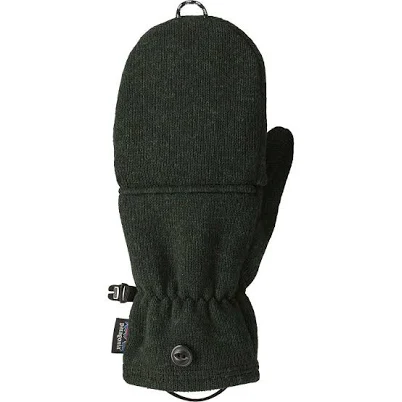
Patagonia
Better Sweater Gloves Patagonia Women's
- Polyester fleece (recycled)
- The brand calls it PFAS-free, which we have not verified
- Heavy metals
2 hazards checked on this product. See all of them.
Patagonia
R4 Yulex Regulator Three Finger Mitts
- Yulex (synthetic rubber), neoprene-free alternative
- The brand calls it PFAS-free, which we have not verified
- Allergic contact dermatitis (rubber/guayule sensitivity)
2 hazards checked on this product. See all of them.
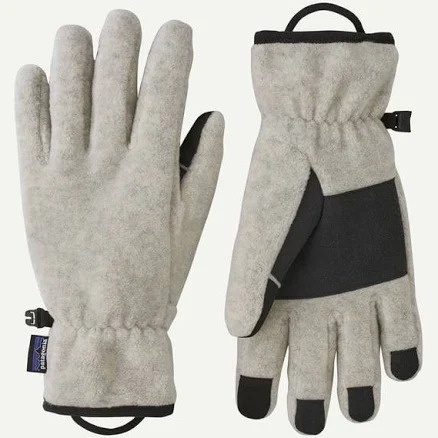
Patagonia
Synchilla Gloves
- Polyester fleece (Synchilla®); no water-repellent treatment disclosed
- The brand calls it PFAS-free, which we have not verified
- Microplastics
2 hazards checked on this product. See all of them.
More waterproof winter gloves grades
How we score, every product runs through the same public 0-100 rubric based on materials, coatings, brand disclosure, lab findings, and recalls. See the full methodology → Spotted a mistake? Report an error.