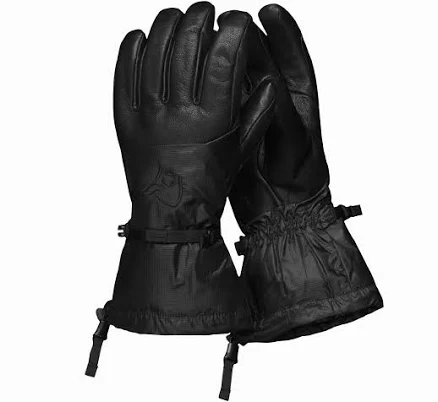
Norrona · Waterproof Winter Gloves
Norrøna trollveggen Gore-Tex Gloves
Material as recorded contains Teflon-type coating-based Teflon-family coating with no PFAS disclosure from brand.
Norrøna has no PFAS statement on record for this Gore-Tex product. The Gore-Tex membrane is recorded as Teflon-type coating-based Teflon-family coating. A water-repellent coating finish is present with no disclosed chemistry.
The better-graded swap
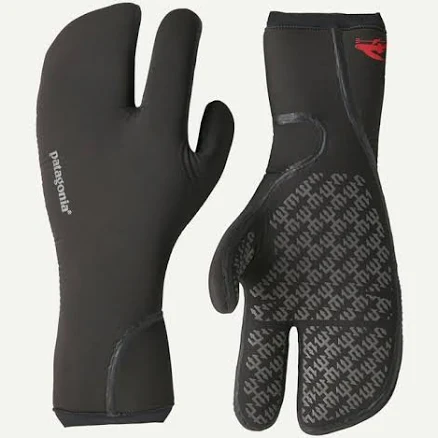
Patagonia
Patagonia R4 Yulex Regulator Three Finger Mitts
90/100 safety
Same rubric that flunked this product. The swap earned Excellent.
Still want this one anyway? Check the price on Amazon. We’d swap it.
Material
Gore-Tex membrane (Teflon-type coating-based Teflon-family coating)
Brand disclosure
Brand is silent on PFAS
Lab data
No public lab test
What Norrøna trollveggen Gore-Tex Gloves is made of, ingredients and materials
Norrøna Trollveggen gloves use Gore-Tex, a microporous Teflon-type coating-based membrane bonded to outer fabric layers (typically polyester or nylon) and inner lining. Teflon-type coating itself is chemically stable and non-toxic once set, but the Gore-Tex manufacturing process historically involved PFOA and other PFAS compounds as processing aids. Gore-Tex has stated PFOA is removed in finished products, but independent verification of all PFAS removal is limited. The membrane's durability comes from its Teflon-family coating chemistry, which also makes it persistent in the environment if eventually discarded.
What’s concerning
Category baseline
The starting point for this type of product, before anything specific to this product is counted.
No PFAS disclosure
No public statement from the brand about PFAS in this product.
Waterproof / stain-resistant treatment
Water-repellent coating treatments have historically used PFAS.
Teflon-type coating microfiber shedding from membrane degradation
Gore-Tex membranes can shed microscopic Teflon-type coating fibers if the outer shell is abraded or the bond degrades with age or improper washing. Inhalation risk is low in normal use, but cumulative handling of degraded gloves poses minor exposure. No recall or documented injury specific to Norrøna Trollveggen.
Allergic reaction to neoprene or synthetic lining materials
Inner linings often use neoprene or polyester microflush, which can cause contact dermatitis in sensitive individuals. Norrøna does not specify lining material composition for Trollveggen. Test fit in short intervals if you have known latex or neoprene sensitivity.
PFAS
Gore-Tex gloves shed PFAS into wastewater during washing and release PFAS into the environment upon disposal. This is an environmental and indirect human-health hazard rather than direct product hazard, but relevant to lifecycle assessment.
Source, ATSDR ↗What’s reassuring
Formaldehyde / VOCs
Norrøna does not disclose fabric treatment chemicals for this glove model. Polyester and nylon outer shells may carry residual formaldehyde resins or synthetic azo dyes from manufacturing, but direct skin contact is limited by the inner lining and glove fit. No confirmed contamination reports for this product.
Source, ATSDR ↗Heavy metals
Winter gloves with dark or bright colors may contain heavy-metal-based dyes or pigments (e.g., cadmium in red/yellow shades), but leaching into skin contact is not established as a hazard in normal wear. Norrøna has not disclosed colorant composition.
Source, FDA ↗The full breakdown
The brand's record and disclosure
Norrøna is a Norwegian outdoor brand with a sustainability focus, but does not publicly disclose PFAS test results or PFAS-free certification for individual products. The company has made general commitments to reduce fluorocarbon use but has not stated whether Trollveggen gloves meet PFAS-free standards. No major safety recalls or controversies specific to this glove model are on record. Absence of disclosure is not reassurance in this category.
How it compares in its category
Gore-Tex remains the industry standard for waterproof breathability in winter gloves, offering superior performance to non-fluorinated alternatives like polyurethane membranes or PVC. Many competitors (Arc'teryx, Patagonia, Salewa) also use Gore-Tex without transparent PFAS confirmation. PFAS-free waterproof glove options exist (e.g., brands using ePE membranes) but typically sacrifice some breathability. If PFAS exposure is a priority concern, this product ranks similarly to most mainstream waterproof glove brands, unclear rather than proven high-risk.
If you buy it
Do not machine wash Gore-Tex gloves or expose them to heat over 60°C (140°F), as this can damage the membrane bond and release microfibers. Dry-clean or hand-wash with mild soap and air-dry only. Inspect the membrane annually for pinholes or delamination; once the waterproof layer fails significantly, replacement is practical rather than repair. Store in a cool, dry place away from solvents. Gloves have a typical lifespan of 2-5 years depending on use intensity.
What we don’t know
- Basis
- Model estimate, 45% confidence, not a lab result
- Lab test
- None on record for this exact product
- Brand statement
- Norrona has made none
Formulations change between production runs, so check the current label. How we grade.
Better-graded alternatives in Waterproof Winter Gloves
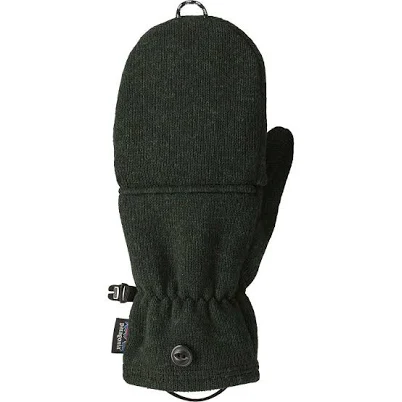
Patagonia
Better Sweater Gloves Patagonia Women's
- Polyester fleece (recycled)
- The brand calls it PFAS-free, which we have not verified
- Heavy metals
2 hazards checked on this product. See all of them.
Patagonia
R4 Yulex Regulator Three Finger Mitts
- Yulex (synthetic rubber), neoprene-free alternative
- The brand calls it PFAS-free, which we have not verified
- Allergic contact dermatitis (rubber/guayule sensitivity)
2 hazards checked on this product. See all of them.
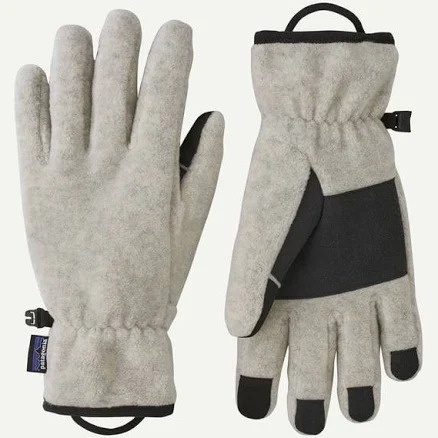
Patagonia
Synchilla Gloves
- Polyester fleece (Synchilla®); no water-repellent treatment disclosed
- The brand calls it PFAS-free, which we have not verified
- Microplastics
2 hazards checked on this product. See all of them.
More waterproof winter gloves grades
How we score, every product runs through the same public 0-100 rubric based on materials, coatings, brand disclosure, lab findings, and recalls. See the full methodology → Spotted a mistake? Report an error.