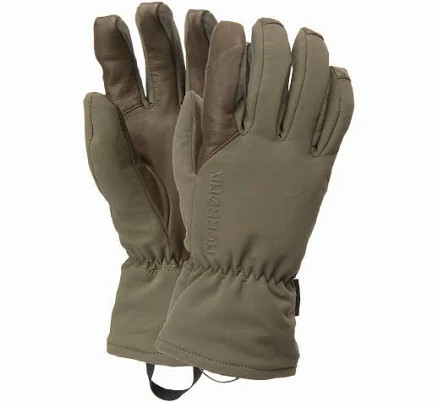
Norrona · Waterproof Winter Gloves
Norrona Finnskogen Dri Gloves 3430
Pass until Norrona clarifies water-repellent coating chemistry; wool gloves are lower risk but waterproofing raises questions.
The Finnskogen Dri Gloves feature water-repellent coating finishing typical of performance outdoor gloves, but Norrona won't disclose the chemistry or certifications. Wool blends carry lower PFAS risk than fully synthetic alternatives.
The better-graded swap
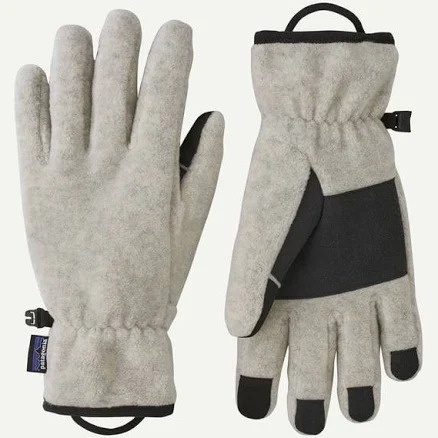
Patagonia
Patagonia Synchilla Gloves
90/100 safety
Same rubric that flunked this product. The swap earned Excellent.
Still want this one anyway? Check the price on Amazon. We’d swap it.
Material
Wool/synthetic blend with water-repellent coating treatment (type unspecified)
Brand disclosure
Brand is silent on PFAS
Lab data
No public lab test
What Norrona Finnskogen Dri Gloves 3430 is made of, ingredients and materials
The Finnskogen Dri Gloves are a wool and synthetic blend with a water-repellent coating (water-repellent coating) treatment applied to the outer surface. Wool fibers themselves are a natural protein and do not leach harmful chemicals under normal use. However, the water-repellent coating finish is the critical unknown, Norrona does not publicly disclose whether this treatment uses PFAS-based chemistry (traditional fluorocarbon coatings) or newer PFAS-free alternatives. The synthetic portion (likely polyester or nylon) adds minimal chemical risk unless the glove is heated to extreme temperatures, which is unlikely in normal wear.
What’s concerning
Category baseline
The starting point for this type of product, before anything specific to this product is counted.
No PFAS disclosure
No public statement from the brand about PFAS in this product.
Waterproof / stain-resistant treatment
Water-repellent coating treatments have historically used PFAS.
PFAS
Water-repellent coating coatings on outdoor textiles historically relied on PFAS-based chemistry; Norrona has not disclosed whether this glove uses traditional fluorocarbon or PFAS-free alternatives. Risk is primarily environmental/manufacturing rather than direct skin exposure, but fluorinated residues can migrate under sweat and washing.
Source, ATSDR ↗Synthetic fiber degradation and microplastic shedding
The synthetic portion of the blend will shed microfibers over time with washing and wear, particularly as the water-repellent coating wears away. This is unavoidable in blended textiles; regular cold-water washing reduces shedding compared to hot water or machine drying.
Allergic contact dermatitis from wool or dyes
Wool itself is a known irritant for some users with sensitive skin or wool allergy; synthetic blends may reduce this risk but do not eliminate it. Azo dyes or residual chemical finishes could trigger contact dermatitis in susceptible individuals. Patch testing on a small area before full use is advisable for known textile sensitivities.
What’s reassuring
Formaldehyde / VOCs
Wool fiber itself does not require formaldehyde resins for structure. Synthetic blend components and any fabric dyes are potential sources, but no recalls or test results implicating this specific product are on record. Standard textile processing may include formaldehyde as a cross-linking agent in dyes; EU and US regulations limit residuals.
Source, ATSDR ↗Antimony in polyester components
Antimony is used as a catalyst in some polyester manufacturing but is tightly bound in the polymer and does not leach under normal use conditions. No public testing or recalls of Norroka products for antimony contamination exist. Risk is negligible for a glove worn externally.
The full breakdown
The brand's record and disclosure
Norrona is a Norwegian outdoor brand with a general sustainability reputation, but the company has not publicly committed to PFAS-phase-out or disclosed its water-repellent coating supplier chemistry. No recalls or controversies specific to this glove model are on record. The brand's silence on water-repellent coating composition is the primary transparency gap; many premium outdoor brands now disclose this detail, but Norrona has not done so for this product line. Contacting the brand directly for water-repellent coating specification is a reasonable first step before purchase.
How it compares in its category
Wool-blend winter gloves are inherently lower-risk than synthetic-only or coated leather alternatives because wool does not off-gas volatile organic compounds (VOCs). In the waterproof glove category, water-repellent coating-treated wool occupies a middle ground, more breathable than PVC or neoprene but less transparent on chemistry than brands like Patagonia or Arc'teryx, which explicitly state PFAS-free water-repellent coating use. Competitors offering comparable performance with public PFAS-free certification do exist, making this glove a 'verify before buying' choice rather than an obvious safety concern.
If you buy it
Wash the gloves in cool water and mild detergent, avoiding harsh chemicals that may degrade the water-repellent coating. Do not machine dry or expose to direct heat sources, as this can damage both the water-repellent coating finish and synthetic fibers. Expect to reapply water-repellent coating treatment every 1-2 years if the gloves are used frequently in wet conditions; most outdoor retailers sell aftermarket water-repellent coating sprays. Store in a dry, cool place away from direct sunlight to prevent color fading and material brittleness. Before purchase, email Norrona customer service requesting the specific water-repellent coating chemistry to verify PFAS content.
What we don’t know
- Basis
- Model estimate, 45% confidence, not a lab result
- Lab test
- None on record for this exact product
- Brand statement
- Norrona has made none
Formulations change between production runs, so check the current label. How we grade.
Better-graded alternatives in Waterproof Winter Gloves
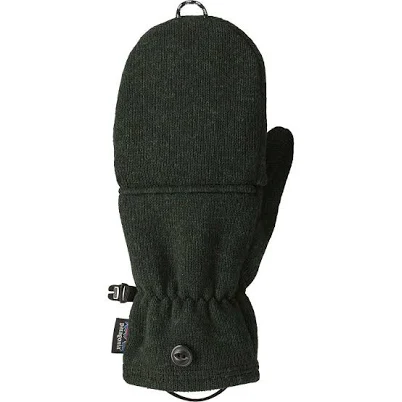
Patagonia
Better Sweater Gloves Patagonia Women's
- Polyester fleece (recycled)
- The brand calls it PFAS-free, which we have not verified
- Heavy metals
2 hazards checked on this product. See all of them.
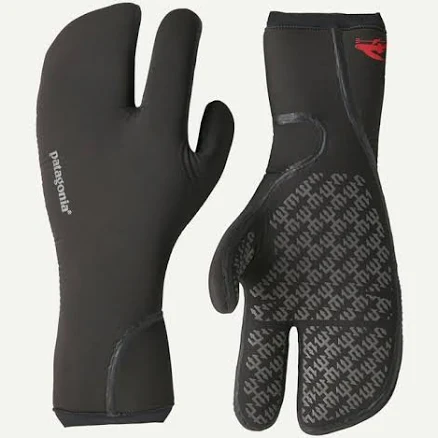
Patagonia
R4 Yulex Regulator Three Finger Mitts
- Yulex (synthetic rubber), neoprene-free alternative
- The brand calls it PFAS-free, which we have not verified
- Allergic contact dermatitis (rubber/guayule sensitivity)
2 hazards checked on this product. See all of them.
Patagonia
Synchilla Gloves
- Polyester fleece (Synchilla®); no water-repellent treatment disclosed
- The brand calls it PFAS-free, which we have not verified
- Microplastics
2 hazards checked on this product. See all of them.
More waterproof winter gloves grades
How we score, every product runs through the same public 0-100 rubric based on materials, coatings, brand disclosure, lab findings, and recalls. See the full methodology → Spotted a mistake? Report an error.