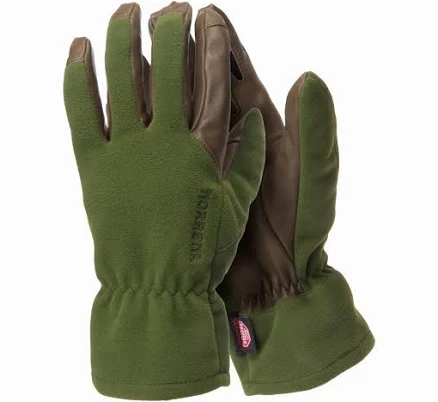
Norrona · Waterproof Winter Gloves
Norrona Finnskogen Gore-Tex Windstopper Gloves
Gore-Tex windstopper gloves carry moderate PFAS concern from likely water-repellent coating; Norrona won't say.
Norrona doesn't disclose PFAS use in these gloves. Gore-Tex membranes and water-repellent coating-treated textiles commonly rely on Teflon-family coating chemistry, though Gore-Tex has transitioned some products.
The better-graded swap
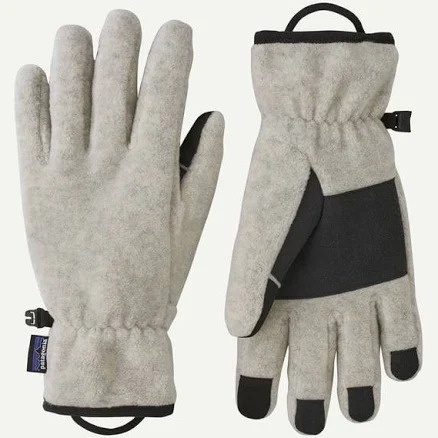
Patagonia
Patagonia Synchilla Gloves
90/100 safety
Same rubric that flunked this product. The swap earned Excellent.
Still want this one anyway? Check the price on Amazon. We’d swap it.
Material
Gore-Tex membrane with polyurethane and nylon outer shell
Brand disclosure
Brand is silent on PFAS
Lab data
No public lab test
What Norrona Finnskogen Gore-Tex Windstopper is made of, ingredients and materials
Gore-Tex Windstopper is a breathable membrane of expanded Teflon-type coating (Teflon) sandwiched between nylon and polyurethane layers. The outer shell typically receives a water-repellent coating (water-repellent coating) finish, almost always fluorinated compounds, to shed water before it reaches the membrane. Nylon and polyurethane are stable synthetic polymers at normal body temperatures, but the question is what chemicals are used in the water-repellent coating and whether they degrade or leach during use or washing.
What’s concerning
Category baseline
The starting point for this type of product, before anything specific to this product is counted.
No PFAS disclosure
No public statement from the brand about PFAS in this product.
Waterproof / stain-resistant treatment
Water-repellent coating treatments have historically used PFAS.
Fluorinated water-repellent (water-repellent coating) coating
Gore-Tex Windstopper gloves almost universally use fluorinated water-repellent coating in manufacturing. Norrona does not disclose the specific chemistry (Teflon-type coating, PFC, etc.), so the exact PFAS profile cannot be confirmed from public sources. Risk is primarily from manufacturing and washing exposure, not direct skin contact during normal wear.
Teflon-type coating fume risk (heat exposure)
The Gore-Tex membrane itself is expanded Teflon-type coating. Although Teflon-type coating is inert below 260°C, intense heat from accidental fire exposure or extremely high-temperature washing (not typical) could theoretically generate fumes. This is a low-probability hazard for winter gloves used in normal conditions.
What’s reassuring
Polyurethane degradation and off-gassing
No published reports of polyurethane layers in Gore-Tex Windstopper gloves off-gassing or degrading under normal use. Polyurethane is generally stable in apparel, though repeated heat exposure or chemical solvents can degrade it over years.
Formaldehyde / VOCs
No known reports of formaldehyde release or toxic azo dyes in Norrona gloves. The nylon shell is dyed and treated, but standard textile regulations (OEKO-TEX, EU textile directives) do not flag this product or brand as problematic.
Source, ATSDR ↗Heavy metals
Norrona does not disclose dye chemistry, but there are no published reports of heavy metal or azo dye concerns in this product or brand. Outdoor technical textiles are typically subject to standard supplier compliance, though documentation is often not public.
Source, FDA ↗The full breakdown
The brand's record and disclosure
Norrona is a Norwegian outdoor brand with no published commitment to PFAS phase-out or substitution, and no transparent disclosure of water-repellent coating chemistry in their product specifications. This silence is notable given that major competitors (Arc'teryx, The North Face, Patagonia) have begun listing alternatives with lower PFAS concern or committing to timelines. Norrona's lack of disclosure does not mean the gloves are unsafe, but it reflects a choice not to engage with consumer demand for transparency on fluorinated water repellents.
How it compares in its category
Gore-Tex Windstopper is a premium membrane technology that trades water repellency and durability for PFAS exposure risk. Most winter gloves at this price point (roughly 100-150 USD) use either fluorinated water-repellent coating (like this product), wax-based water-repellent coating (lower performance, less PFAS), or PFC-free alternatives (newer, less durability track record). The Finnskogen is positioned as a hardwearing mountaineering glove; competing models from Patagonia and Rab increasingly offer Gore-Tex variants with lower PFAS concern, though Norrona has not announced a similar line.
If you buy it
Wash the gloves in cool water (under 30 degrees C) and avoid hot water or machine drying, which can degrade the water-repellent coating and potentially increase leaching or off-gassing. Do not expose to high heat or flame; Teflon-type coating itself shows lower thermal decomposition concern below 260°C, but water-repellent coating coatings may fail at lower temperatures. Replace the water-repellent coating every 1-2 seasons using fluorine-free wash-in or spray-on treatments if you want to extend life without re-exposing yourself to fluorinated products. Store dry and inspect for visible wear or peeling; if the membrane delaminates or the outer shell cracks, replace rather than repair with adhesives.
What we don’t know
- Basis
- Model estimate, 42% confidence, not a lab result
- Lab test
- None on record for this exact product
- Brand statement
- Norrona has made none
Formulations change between production runs, so check the current label. How we grade.
Better-graded alternatives in Waterproof Winter Gloves
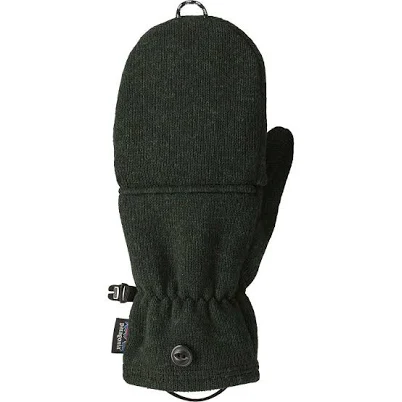
Patagonia
Better Sweater Gloves Patagonia Women's
- Polyester fleece (recycled)
- The brand calls it PFAS-free, which we have not verified
- Heavy metals
2 hazards checked on this product. See all of them.
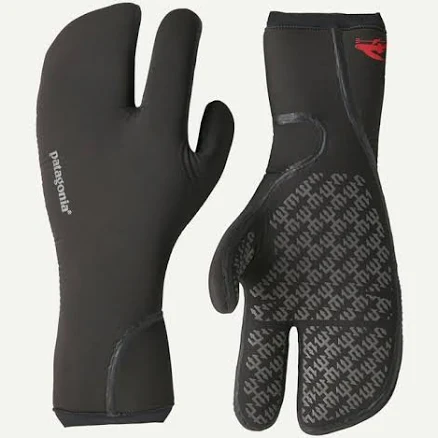
Patagonia
R4 Yulex Regulator Three Finger Mitts
- Yulex (synthetic rubber), neoprene-free alternative
- The brand calls it PFAS-free, which we have not verified
- Allergic contact dermatitis (rubber/guayule sensitivity)
2 hazards checked on this product. See all of them.
Patagonia
Synchilla Gloves
- Polyester fleece (Synchilla®); no water-repellent treatment disclosed
- The brand calls it PFAS-free, which we have not verified
- Microplastics
2 hazards checked on this product. See all of them.
More waterproof winter gloves grades
How we score, every product runs through the same public 0-100 rubric based on materials, coatings, brand disclosure, lab findings, and recalls. See the full methodology → Spotted a mistake? Report an error.