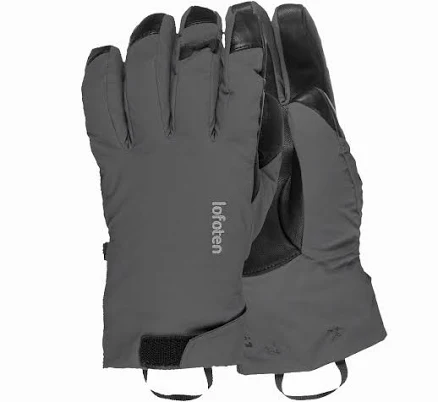
Norrona · Waterproof Winter Gloves
Norrona Lofoten Dri1 PrimaLoft170 Short Gloves
Pass until Norrona discloses water-repellent coating chemistry; typical synthetic gloves carry moderate PFAS risk.
These Norrona gloves use PrimaLoft insulation and a water-resistant shell coating, but the brand provides no PFAS disclosure. Most synthetic winter gloves rely on fluorinated water repellents without third-party verification.
The better-graded swap
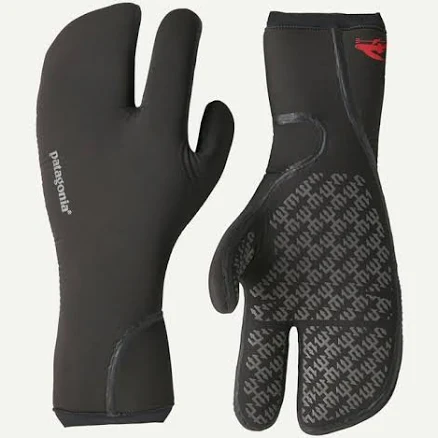
Patagonia
Patagonia R4 Yulex Regulator Three Finger Mitts
90/100 safety
Same rubric that flunked this product. The swap earned Excellent.
Still want this one anyway? Check the price on Amazon. We’d swap it.
Material
Polyester with PrimaLoft synthetic insulation; water-repellent coating-treated shell
Brand disclosure
Brand is silent on PFAS
Lab data
No public lab test
What Norrona Lofoten Dri1 PrimaLoft170 Short is made of, ingredients and materials
These gloves use polyester shell fabric with PrimaLoft synthetic insulation, a common high-performance alternative to down. The shell receives a water-repellent coating (water-repellent coating) finish, almost certainly fluorinated given industry norms for this performance tier, though Norroka does not disclose the specific chemistry. Polyester itself is inert once cured, but the water-repellent coating treatment applied post-manufacture is where PFAS-class compounds typically hide in waterproof textiles.
What’s concerning
Category baseline
The starting point for this type of product, before anything specific to this product is counted.
No PFAS disclosure
No public statement from the brand about PFAS in this product.
Waterproof / stain-resistant treatment
Water-repellent coating treatments have historically used PFAS.
PFAS
Polyester winter gloves at this price point almost always receive fluorinated water-repellent coating; Norroka's silence on chemistry strongly suggests conventional PFAS-based repellents, though no specific formulation is public.
Source, ATSDR ↗Microplastics
Polyester fibers can shed tiny fragments, especially during repeated washing or mechanical wear; risk is typical for synthetic textiles, not specific to this model, but higher with frequent washing in hot water.
Source, EPA ↗water-repellent coating degradation and leaching
Over time, mechanical wear and washing degrade fluorinated water-repellent coating layers; degraded coatings may leach residual PFAS or treatment chemicals into sweat and skin, though this is generally lower-risk than ingestion routes.
What’s reassuring
Formaldehyde / VOCs
Norroka does not publish dye or resin chemistry for this line. Polyester-based gloves may contain residual formaldehyde from manufacturing resins or non-compliant azo dyes, but no recalls or test data for the Lofoten model exist.
Source, ATSDR ↗Antimony in polyester fiber
Polyester fibers may contain trace antimony from manufacturing catalysts; no evidence specific to Norroka's suppliers, and levels in finished gloves are typically below concern for contact exposure.
The full breakdown
The brand's record and disclosure
Norroka is a Norwegian outdoor brand with no publicly known PFAS reduction commitments or transparency statements regarding water-repellent coating chemistry in their glove lines. The brand has not joined initiatives like the Outdoor Industry Association's PFAS phase-out roadmap or published supplier standards for fluorinated treatments. This silence, combined with their premium positioning in waterproof gear, suggests reliance on conventional PFAS-containing water-repellent coating rather than emerging alternatives.
How it compares in its category
Winter gloves in this performance class (waterproof, insulated, mid-weight) almost universally use fluorinated water-repellent coating; Norroka's Lofoten is typical rather than a standout. Some competitors (e.g., Patagonia, Arc'teryx at higher price points) have begun disclosing water-repellent coating chemistry or adopting PFOA-free formulations, making them marginally more transparent. Budget and mid-tier brands rarely disclose, placing this glove in an unremarkable compliance grey zone.
If you buy it
Wash gloves separately in cold water and avoid hot-water treatment, which can degrade the water-repellent coating and theoretically increase leaching risk. Replace gloves when the water-repellent coating visibly fails (water no longer beads), as a degraded coating reduces protection and may require rewashing. Do not machine-dry on high heat; air-dry only. If you have young children or are pregnant, consider requesting PFAS-free alternatives from Norroka or switching to brands that openly disclose water-repellent coating-free or PFAS-reduced options.
What we don’t know
- Basis
- Model estimate, 45% confidence, not a lab result
- Lab test
- None on record for this exact product
- Brand statement
- Norrona has made none
Formulations change between production runs, so check the current label. How we grade.
Better-graded alternatives in Waterproof Winter Gloves
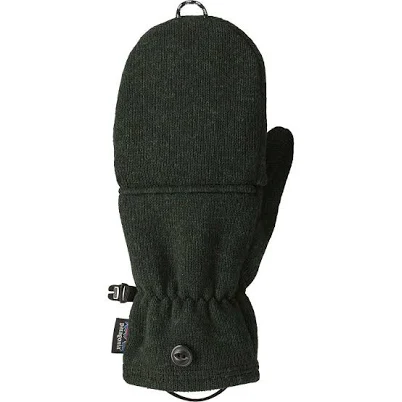
Patagonia
Better Sweater Gloves Patagonia Women's
- Polyester fleece (recycled)
- The brand calls it PFAS-free, which we have not verified
- Heavy metals
2 hazards checked on this product. See all of them.
Patagonia
R4 Yulex Regulator Three Finger Mitts
- Yulex (synthetic rubber), neoprene-free alternative
- The brand calls it PFAS-free, which we have not verified
- Allergic contact dermatitis (rubber/guayule sensitivity)
2 hazards checked on this product. See all of them.
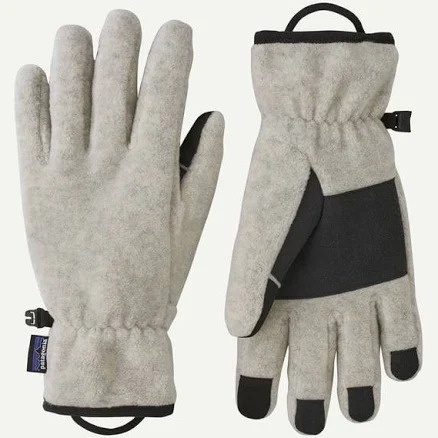
Patagonia
Synchilla Gloves
- Polyester fleece (Synchilla®); no water-repellent treatment disclosed
- The brand calls it PFAS-free, which we have not verified
- Microplastics
2 hazards checked on this product. See all of them.
More waterproof winter gloves grades
How we score, every product runs through the same public 0-100 rubric based on materials, coatings, brand disclosure, lab findings, and recalls. See the full methodology → Spotted a mistake? Report an error.