Norrona · Waterproof Winter Gloves
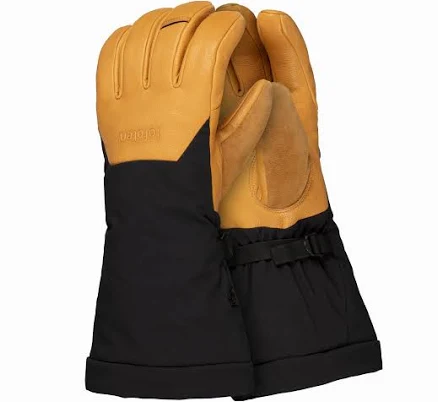
Norrona Lofoten Gore-Tex Thermo200 Long Gloves
Pass or verify Gore-Tex's PFAS status directly with Norrona before buying.
Norrona doesn't disclose PFAS content or water-repellent coating details for this glove. Gore-Tex membranes are traditionally made from ePTFE, a Teflon-family coating that may contain residual PFOA or other PFAS, though Gore has made reduction claims.
The better-graded swap
Patagonia
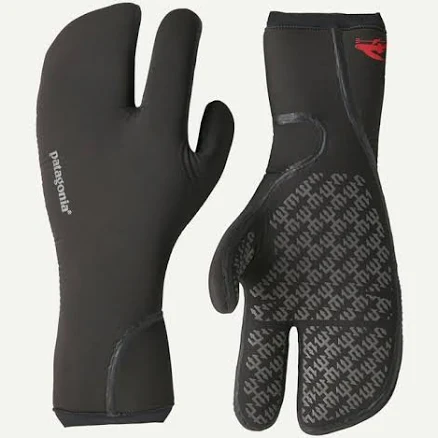
Patagonia R4 Yulex Regulator Three Finger Mitts
90/100 safety
Same rubric that flunked this product. The swap earned Excellent.
Still want this one anyway? Check the price on Amazon. We’d swap it.
Material
Gore-Tex membrane (ePTFE-based waterproof/breathable layer)
Brand disclosure
Brand is silent on PFAS
Lab data
No public lab test
What Norrona Lofoten Gore-Tex Thermo200 Long is made of, ingredients and materials
These gloves use a Gore-Tex membrane, which is an expanded polytetrafluoroethylene (ePTFE) layer bonded to outer and inner fabric shells. Gore-Tex is engineered to be waterproof and breathable, but the manufacturing and Teflon-family coating chemistry inherently involve PFAS compounds to achieve those properties. The shell fabrics are typically polyester or nylon, and the Thermo200 insulation is a synthetic fill (likely polyester-based), none of which pose significant direct toxicity risks to the wearer under normal use.
What’s concerning
Category baseline
The starting point for this type of product, before anything specific to this product is counted.
No PFAS disclosure
No public statement from the brand about PFAS in this product.
Waterproof / stain-resistant treatment
Water-repellent coating treatments have historically used PFAS.
Azo dyes and synthetic colorants
The outer and inner shell fabrics are likely dyed with synthetic dyes, which may include azo compounds if not restricted by brand policy. Norona does not publish dye safety certifications, so restriction to non-carcinogenic azo dyes cannot be confirmed without direct inquiry.
Antimony in polyester
Polyester insulation and shell fabrics may contain antimony trioxide catalyst residue from polyester manufacturing. Exposure risk to the wearer is minimal because antimony is bound within polymer chains, but skin contact with degraded or shed fibers poses low but non-zero risk if antimony is present.
Coating degradation and microfiber shedding
Over repeated washing and use, the Gore-Tex membrane and fabric shells will eventually shed microfibers. While microplastic inhalation from gloves is not a primary exposure route, the durability of the waterproof layer declines within 3-5 years of regular use, signaling end-of-life.
What’s reassuring
Teflon-type coating fume risk
Gore-Tex ePTFE membranes are bonded to fabric at temperatures well below the decomposition point of Teflon-type coating (around 300C), and finished gloves are not heated during normal wear, so Teflon-type coating fume release is not a documented concern in this application.
Formaldehyde / VOCs
Norona does not disclose formaldehyde resin use in these gloves. Standard polyester and nylon fabrics do not require formaldehyde finish for weatherproof performance; Gore-Tex adhesives and membrane do not typically contain formaldehyde. No recalls or warnings exist for this product line.
Source, ATSDR ↗The full breakdown
The brand's record and disclosure
Norona is a Norwegian outdoor apparel maker with a reputation for quality alpine gear, but they do not publicly disclose detailed chemical composition or PFAS phase-out timelines for their waterproof products. The brand has not published a specific PFAS commitment or third-party certifications like Bluesign or OEKO-TEX that would signal restriction of fluorinated water repellents. As of available information, Norona has remained silent on Gore-Tex PFAS exposure and supply-chain management, which is typical for mid-tier outdoor brands but leaves buyers without clarity.
How it compares in its category
Winter glove alternatives range from non-waterproof (merino wool, fleece) to PFAS-based membranes (Gore-Tex, eVent, Sympatex) to emerging hydrophilic coatings not linked to PFAS (rare and often less durable). Gore-Tex remains the industry standard for waterproof-breathable winter gloves because of its proven performance, but it is made with PFAS-based chemistry. Budget alternatives using wax or silicone water repellents exist but sacrifice durability. Norona's choice of Gore-Tex places these gloves in the mainstream category and does not differentiate them on chemical safety.
If you buy it
Wash gloves in cold water and allow air dry; hot water or machine drying can degrade the Gore-Tex membrane. Do not use harsh detergents or fabric softeners, as these can clog the membrane pores and reduce breathability. Store in a cool, dry place away from direct heat or sunlight to extend membrane life. If waterproofing noticeably declines after 2-3 years of regular use, replacement is warranted; the membrane does not recover performance once compromised.
What we don’t know
- Basis
- Model estimate, 45% confidence, not a lab result
- Lab test
- None on record for this exact product
- Brand statement
- Norrona has made none
Formulations change between production runs, so check the current label. How we grade.
Better-graded alternatives in Waterproof Winter Gloves
Patagonia
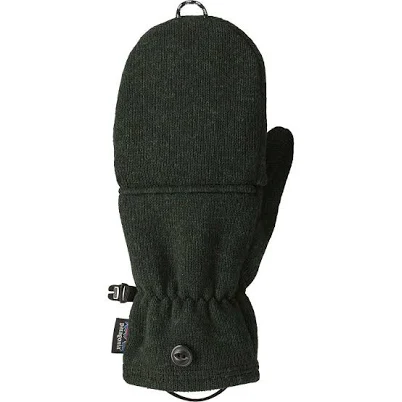
Better Sweater Gloves Patagonia Women's
- Polyester fleece (recycled)
- The brand calls it PFAS-free, which we have not verified
- Heavy metals
2 hazards checked on this product. See all of them.
Patagonia
R4 Yulex Regulator Three Finger Mitts
- Yulex (synthetic rubber), neoprene-free alternative
- The brand calls it PFAS-free, which we have not verified
- Allergic contact dermatitis (rubber/guayule sensitivity)
2 hazards checked on this product. See all of them.
Patagonia
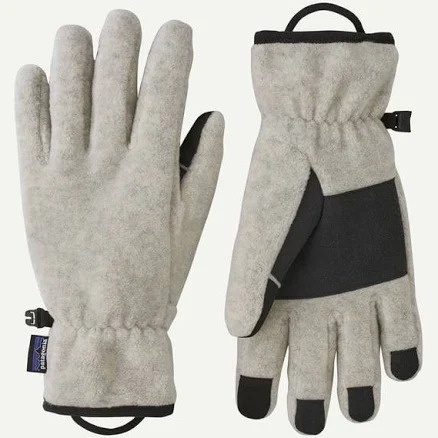
Synchilla Gloves
- Polyester fleece (Synchilla®); no water-repellent treatment disclosed
- The brand calls it PFAS-free, which we have not verified
- Microplastics
2 hazards checked on this product. See all of them.
More waterproof winter gloves grades
How we score, every product runs through the same public 0-100 rubric based on materials, coatings, brand disclosure, lab findings, and recalls. See the full methodology → Spotted a mistake? Report an error.