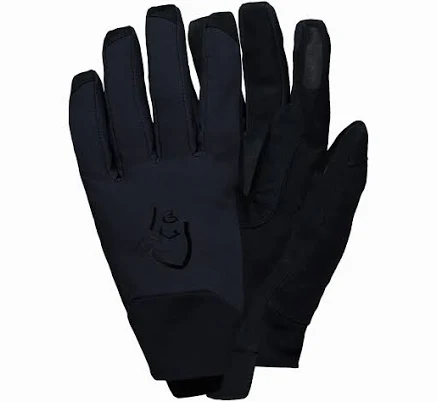
Norrona · Waterproof Winter Gloves
Skibotn Flex1 Gloves
Pass until Norrona discloses water-repellent coating chemistry; outdoor gloves often carry hidden PFAS.
These Skibotn Flex1 Gloves have water-resistant treatment, a category historically linked to PFAS-based water-repellent coating coatings. Norrona hasn't disclosed whether this product contains PFAS or uses alternatives.
The better-graded swap
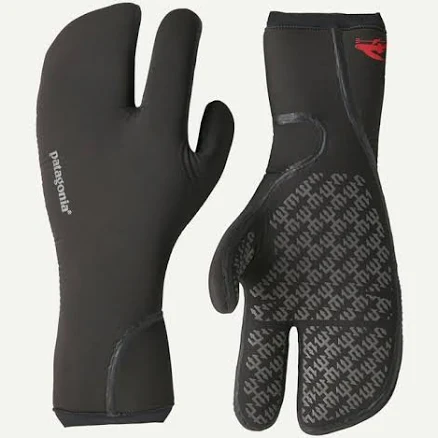
Patagonia
Patagonia R4 Yulex Regulator Three Finger Mitts
90/100 safety
Same rubric that flunked this product. The swap earned Excellent.
Still want this one anyway? Check the price on Amazon. We’d swap it.
Material
Synthetic glove shell with water-resistant treatment
Brand disclosure
Brand is silent on PFAS
Lab data
No public lab test
What Skibotn Flex1 Gloves is made of, ingredients and materials
Skibotn Flex1 uses a synthetic shell (likely polyamide or polyester) with a water-resistant topcoat treatment. The coating chemistry is not publicly disclosed by Norrona, which is the core safety gap, waterproof glove treatments are a known vector for PFAS (per-and polyfluoroalkyl substances), which persist in the body and environment. Without ingredient transparency, you cannot verify if the water-repellent coating (water-repellent coating) layer contains fluorinated compounds or alternatives like wax or silicone-based hydrophobics.
What’s concerning
Category baseline
The starting point for this type of product, before anything specific to this product is counted.
No PFAS disclosure
No public statement from the brand about PFAS in this product.
Waterproof / stain-resistant treatment
Water-repellent coating treatments have historically used PFAS.
PFAS
Norrona has not disclosed the chemistry of the water-resistant treatment on this glove. PFAS compounds are standard in outdoor glove water-repellent coating layers and accumulate in blood/organs with chronic exposure. The lack of transparency is the primary red flag.
Source, ATSDR ↗Microplastic shedding from synthetic shell or coating
Polyamide or polyester shells with topcoat treatments can release microfibers during washing and wear, especially as the coating degrades. No specific test data is available for Skibotn Flex1, but this is a known issue in synthetic waterproof apparel.
Skin irritation from coating or seam finishes
Residual coating particles or poor seam finishing can cause mild irritation in sensitive individuals, especially with prolonged contact. Not documented for Skibotn Flex1 specifically, but common in budget synthetic gloves.
What’s reassuring
Heavy metals
Norrona does not advertise restricted dye testing for this product. No recalls or contamination reports exist for the brand's glove colorants. Risk is low relative to untested textiles from non-certified suppliers.
Source, FDA ↗Formaldehyde / VOCs
Winter gloves are not typically treated with flame retardants and do not require formaldehyde-based resins for water resistance. No evidence of these hazards in this product category.
Source, ATSDR ↗The full breakdown
The brand's record and disclosure
Norrona has not publicly committed to PFAS-free manufacturing or disclosed water-repellent coating chemistry for any glove line. The brand does not appear on lists of outdoor companies with formal PFAS phase-out pledges (contrast, some competitors have committed to fluorine-free water treatments by 2024-2025). This silence, combined with the outdoor/waterproof product category, suggests precautionary concern is warranted. No recalls or contamination incidents are on record for this specific model.
How it compares in its category
Waterproof winter gloves commonly rely on PFAS-treated membranes or coatings; Skibotn Flex1 is typical, not outlying. Some premium brands (e.g., Hestra, Rab) have begun disclosing non-fluorinated water-repellent coating options, though at higher cost. Budget and mid-market winter gloves almost universally use fluorinated treatments. If PFAS avoidance is a priority, you would need to seek brands with explicit certification (e.g., Bluesign, or company statements naming fluorine-free coatings).
If you buy it
Wash gloves by hand in cool water with mild detergent; machine washing or hot water may degrade the water-resistant coating and potentially release microfibers or coating particles. Do not dry-clean or expose to high heat (>60C / 140F). Replace when the water-resistant layer visibly degrades (beading stops, dampness penetrates), typically after 2-3 seasons of heavy use. Avoid prolonged contact with skin if you have eczema or sensitive skin, as coating particles may irritate.
What we don’t know
- Basis
- Model estimate, 42% confidence, not a lab result
- Lab test
- None on record for this exact product
- Brand statement
- Norrona has made none
Formulations change between production runs, so check the current label. How we grade.
Better-graded alternatives in Waterproof Winter Gloves
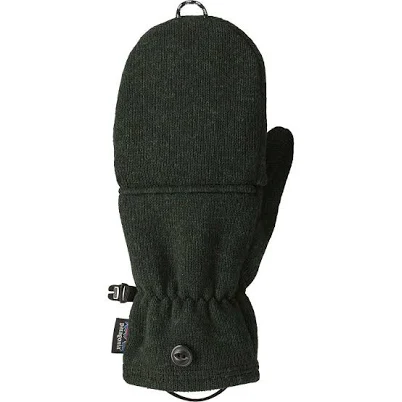
Patagonia
Better Sweater Gloves Patagonia Women's
- Polyester fleece (recycled)
- The brand calls it PFAS-free, which we have not verified
- Heavy metals
2 hazards checked on this product. See all of them.
Patagonia
R4 Yulex Regulator Three Finger Mitts
- Yulex (synthetic rubber), neoprene-free alternative
- The brand calls it PFAS-free, which we have not verified
- Allergic contact dermatitis (rubber/guayule sensitivity)
2 hazards checked on this product. See all of them.
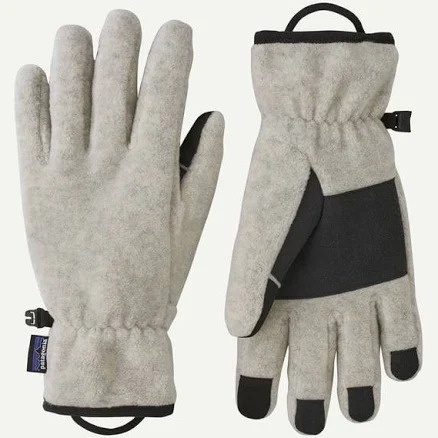
Patagonia
Synchilla Gloves
- Polyester fleece (Synchilla®); no water-repellent treatment disclosed
- The brand calls it PFAS-free, which we have not verified
- Microplastics
2 hazards checked on this product. See all of them.
More waterproof winter gloves grades
How we score, every product runs through the same public 0-100 rubric based on materials, coatings, brand disclosure, lab findings, and recalls. See the full methodology → Spotted a mistake? Report an error.