Northshore · Incontinence Pads & Protection
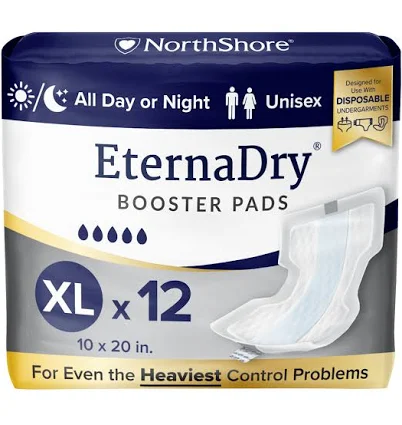
NorthShore EternaDry Booster Pads with Adhesive, X-Large, Pack/12
Waterproofing agent unknown, brand silent on PFAS information.
Booster pads typically use water-resistant adhesives and backings often treated with fluorochemicals for absorption and leak prevention. NorthShore provides no PFAS disclosure, leaving composition unclear.
The better-graded swap
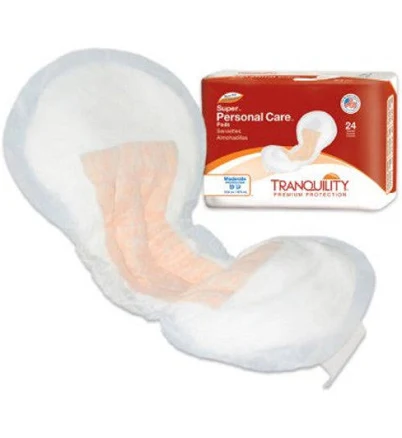
Tranquility
PBE Tranquility Personal Care Pads
70/100 safety
Same rubric that flunked this product. The swap earned Good.
Still want this one anyway? Check the price on Amazon. We’d swap it.
Material
absorbent core, adhesive backing with water-resistant treatment
Brand disclosure
Brand is silent on PFAS
Lab data
No public lab test
What NorthShore EternaDry Booster Pads is made of, ingredients and materials
NorthShore EternaDry boosters use an absorbent core (typically superabsorbent polymer SAP mixed with wood pulp or fluff) to draw and lock moisture, backed by an adhesive layer and water-resistant treatment. The water-resistant coating is the main unknown, manufacturers typically use either PFAS-based compounds (common but persistent) or polyurethane/acrylic alternatives (lower toxicity but less durability). The adhesive itself poses minimal risk for dermal contact in normal use, but the unidentified waterproofing agent is the critical unknown.
What’s concerning
Category baseline
The starting point for this type of product, before anything specific to this product is counted.
No PFAS disclosure
No public statement from the brand about PFAS in this product.
Waterproof / stain-resistant treatment
Water-repellent coating treatments have historically used PFAS.
PFAS
The water-resistant treatment is not disclosed; while many incontinence pads use PFAS compounds like Teflon-type coating or fluorochemical surfactants, NorthShore's silence means dermal and environmental exposure risk cannot be quantified. Direct skin contact for hours daily elevates concern.
Source, ATSDR ↗Adhesive skin sensitization
Pressure-sensitive adhesives in incontinence pads occasionally trigger contact dermatitis in sensitive individuals, particularly with prolonged wear; this is a recognized but not brand-specific risk. NorthShore does not list adhesive chemistry.
Bacterial or fungal colonization with prolonged wear
Any absorbent pad worn for extended periods creates a warm, moist microenvironment; risk is usage-dependent, not product-specific, but inadequate replacement intervals increase infection risk regardless of material quality.
What’s reassuring
Superabsorbent polymer (SAP) microparticle release
SAP has no hazard of this kind on record for dermal contact according to FDA and ECHA, though degradation of the absorbent core over time or with friction could theoretically liberate microparticles; no recalls or adverse reports exist for NorthShore products.
Formaldehyde / VOCs
No public reports or recalls of formaldehyde or banned azo dyes in NorthShore incontinence pads; however, lack of certification (e.g., OEKO-TEX) means no third-party assurance against legacy chemical residues in pulp or cotton components.
Source, ATSDR ↗The full breakdown
The brand's record and disclosure
NorthShore Care Products does not publicly disclose material composition, PFAS use, or relevant third-party certifications (e.g., Cradle to Cradle, bluesign, GOTS). The brand has no documented recall history for chemical contamination, but the absence of transparency on waterproofing chemistry is a significant gap. No independent testing results are available in the public domain for this specific product line.
How it compares in its category
Incontinence pads face similar PFAS uncertainty across the market; most mainstream brands (Depend, Poise, Tena) do not disclose waterproofing agents. NorthShore positions itself as a clinical-grade alternative but without the transparency claims of some niche brands that explicitly avoid or disclose PFAS status. Booster pads in particular attract less regulatory scrutiny than primary pads, so variant sourcing is possible within the line.
If you buy it
Store in a cool, dry place away from direct heat or sunlight, which could degrade the adhesive and water-resistant coating over time. Replace pads if adhesive loses stickiness, the absorbent core breaks down, or you notice odor or discoloration (signs of bacterial growth or material degradation). Do not microwave or expose to high temperatures. If skin irritation develops, discontinue use and patch-test a competitor brand with clearer material disclosure.
What we don’t know
- Basis
- Model estimate, 35% confidence, not a lab result
- Lab test
- None on record for this exact product
- Brand statement
- Northshore has made none
Formulations change between production runs, so check the current label. How we grade.
Better-graded alternatives in Incontinence Pads & Protection
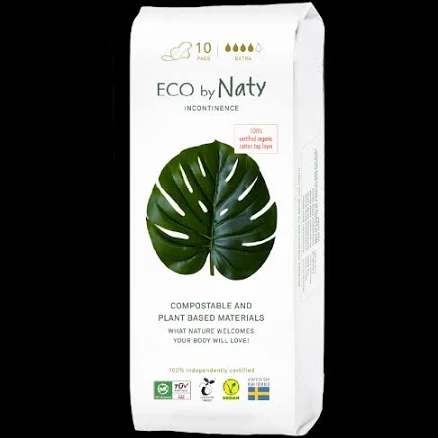
Eco By Naty
Incontinence Pads
- Bamboo-derived viscose, cotton, plant-based absorbent core
- We found no PFAS statement from the brand
- Heavy metals
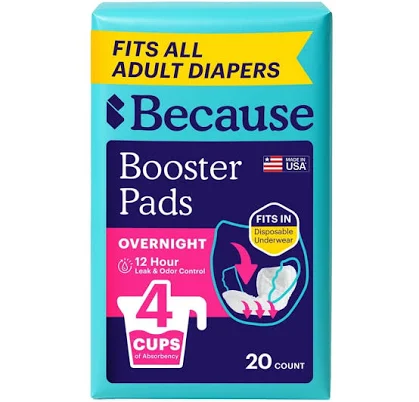
Because Market
Because Booster Pads
- Cellulose, superabsorbent polymer, cotton blend
- We found no PFAS statement from the brand
- Absorbent material degradation and bacterial growth
2 hazards checked on this product. See all of them.
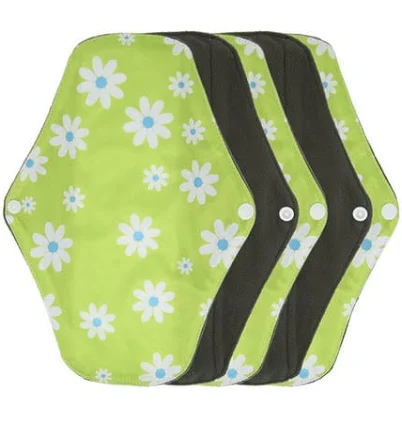
5pcs Bamboo Charcoal Washable Incontinence Pads
- bamboo charcoal textile, washable cotton-blend absorbent layer
- We found no PFAS statement from the brand
- Azo dyes and synthetic colorants
4 hazards checked on this product. See all of them.
More incontinence pads & protection grades
How we score, every product runs through the same public 0-100 rubric based on materials, coatings, brand disclosure, lab findings, and recalls. See the full methodology → Spotted a mistake? Report an error.