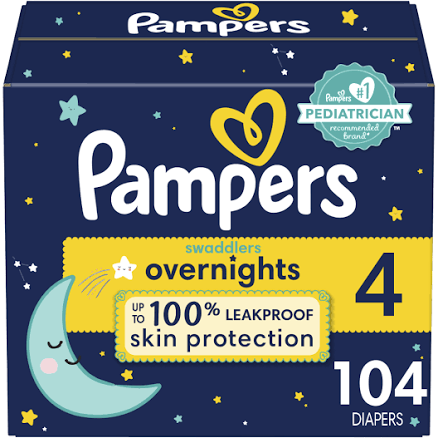
Pampers Swaddlers Overnights · Incontinence Pads & Protection
Pampers Swaddlers Overnight Diapers
Medium-high risk; PFAS concern unresolved, Pampers won't disclose coating chemistry.
These overnight diapers use proprietary water-repellent coatings for wetness-lock, a common PFAS application in absorbent products. Pampers has not publicly disclosed whether PFAS chemistry is used.
The better-graded swap
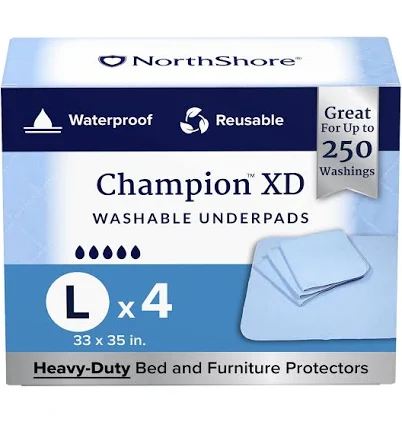
Northshore
NorthShore Champion XD Washable
70/100 safety
Same rubric that flunked this product. The swap earned Good.
Still want this one anyway? Check the price on Amazon. We’d swap it.
Material
Cellulose, polypropylene, superabsorbent polymer with wetness-lock coating
Brand disclosure
Brand is silent on PFAS
Lab data
No public lab test
You may also be interested in
Top-graded picks in the categories readers replace first, every one scored on the same rubric.

- polypropylene filter housing, carbon/sediment cartridge
- We found no PFAS statement from the brand
- Bacterial growth in spent cartridges
3 hazards checked on this product, all on its full breakdown.

Aquasure
Premier Series 75 GPD Under Sink Reverse Osmosis Water Filtration System
- RO membrane, carbon filters, stainless steel housing
- We found no PFAS statement from the brand
- Bacterial and microbial growth in housing and filters
4 hazards checked on this product, all on its full breakdown.

Avocado
Vegan Mattress
- organic cotton, natural latex, coconut coir, recycled steel coils
- The brand calls it PFAS-free, which we have not verified
- Heavy metals
2 hazards checked on this product, all on its full breakdown.
What Pampers Swaddlers Overnight Diapers is made of, ingredients and materials
Pampers Swaddlers Overnights use cellulose fluff pulp (wood fiber), polypropylene nonwoven layers, and a superabsorbent polymer (SAP) core, typically sodium polyacrylate. The 'wetness-lock coating' is the critical unknown, Pampers does not publicly specify whether this uses fluorinated compounds (PFAS) or alternative water-repellent chemistry. Cellulose and polypropylene themselves are low-risk, inert materials when uncontaminated; the coating determines skin contact safety, especially for overnight wear against sensitive baby skin.
What’s concerning
Category baseline
The starting point for this type of product, before anything specific to this product is counted.
No PFAS disclosure
No public statement from the brand about PFAS in this product.
Waterproof / stain-resistant treatment
Water-repellent coating treatments have historically used PFAS.
PFAS
Pampers does not disclose coating chemistry. Third-party testing (SWOP 2019-2021) detected PFAS in diaper samples from multiple brands including Pampers; composition unconfirmed for this specific line. Undisclosed formulations carry medium-high risk of long-chain or short-chain PFAS exposure during extended overnight skin contact.
Source, ATSDR ↗Superabsorbent polymer (sodium polyacrylate) safety in use
SAP is not absorbed through skin and poses no systemic toxicity at normal exposure. However, if diaper integrity fails or polymer escapes onto skin, it may cause localized irritation or absorbency confusion (parent may not recognize wet diaper). No contamination with toxic cross-reactants is documented for Pampers brand.
Skin sensitization and contact dermatitis from coating or additives
Overnight diapers are worn 8-12 hours continuously; any coating irritant or allergenic additive (e.g., fragrance, adhesive resins) concentrates exposure. Pampers Swaddlers are marketed as hypoallergenic but this does not exclude contact sensitization in susceptible infants; individual variation is high.
Diaper rash from prolonged wetness and occlusion
This is a known inherent risk of any overnight diaper due to extended wear. Wetness-lock coating prevents external leakage but traps moisture against skin, creating a favorable environment for bacterial and fungal overgrowth. Not unique to Pampers but amplified by longer wear cycles.
What’s reassuring
Cellulose dust or fibers during use
No published incidents of pulp fiber shedding or inhalation harm from Pampers diapers. Modern manufacturing bonds fibers securely; risk is negligible unless diaper is physically torn or degraded.
How is this PFAS grade calculated?
The brand's record and disclosure
Pampers (Procter & Gamble) has not publicly committed to PFAS-free formulations or disclosed coating ingredients in response to consumer and advocacy requests. The brand maintains safety certifications (dermatologist-tested, hypoallergenic claims) but these do not address PFAS or coating chemistry. No formal recalls for chemical contamination have been issued for this product line, but silence on fluorochemical use is a red flag compared to transparent competitors.
How it compares in its category
Most overnight diapers use wetness-lock coatings; Pampers' market position means it sets category norms rather than leading on transparency. Competitor brands (Honest Company, some store brands) have begun disclosing non-fluorinated or plant-based water-repellent options, making Pampers' opacity a relative weakness. Overnight-specific products carry higher skin exposure risk due to extended wear, magnifying the importance of coating safety.
If you buy it
Change diapers every 4-6 hours or when visibly wet; overnight claims permit longer intervals, but prolonged skin contact with any coating raises irritation risk. Inspect skin daily for rash, redness, or reaction; note timing relative to diaper changes. Consider rotating brands if irritation develops, since individual coating sensitivity varies. Store in cool, dry conditions; discard any package that shows moisture damage or chemical odor before use.
What is not known about PFAS in this product?
- Basis
- Model estimate, 35% confidence, not a lab result
- Lab test
- None on record for this exact product
- Brand statement
- Pampers Swaddlers Overnights has made none
Formulations change between production runs, so check the current label. How we grade.
What are the PFAS-free alternatives to Pampers Swaddlers Overnight Diapers?
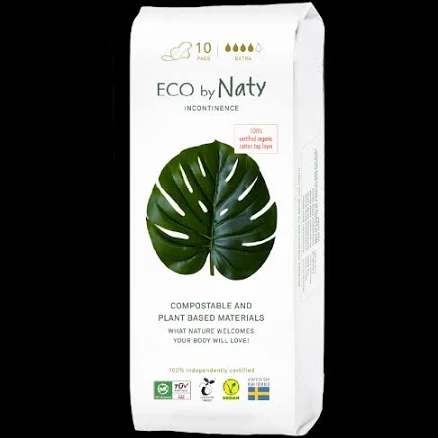
- Bamboo-derived viscose, cotton, plant-based absorbent core
- We found no PFAS statement from the brand
- Heavy metals
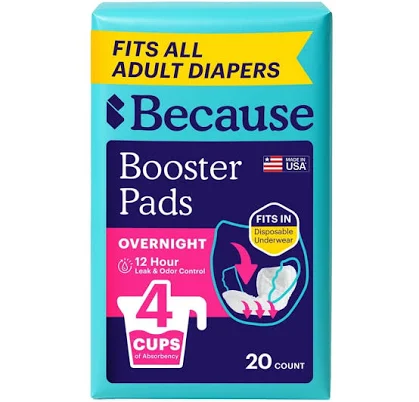
- Cellulose, superabsorbent polymer, cotton blend
- We found no PFAS statement from the brand
- Absorbent material degradation and bacterial growth
2 hazards checked on this product, all on its full breakdown.
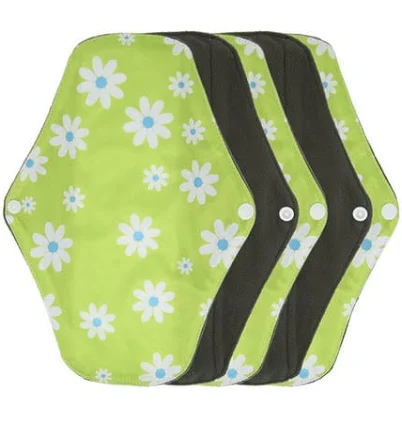
5pcs Bamboo Charcoal Washable Incontinence Pads
- bamboo charcoal textile, washable cotton-blend absorbent layer
- We found no PFAS statement from the brand
- Azo dyes and synthetic colorants
4 hazards checked on this product, all on its full breakdown.
More incontinence pads & protection grades
How we score, every product runs through the same public 0-100 rubric based on materials, coatings, brand disclosure, lab findings, and recalls. See the full methodology → Spotted a mistake? Report an error.