Prevail · Incontinence Pads & Protection
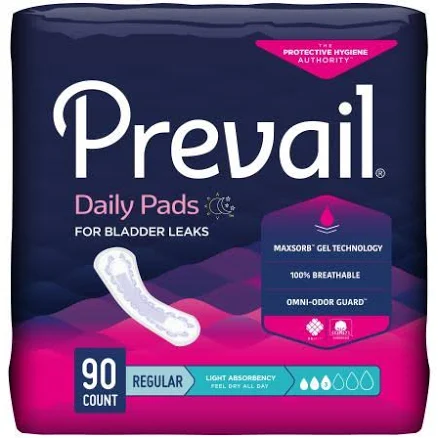
Prevail Bladder Control Pad
Incontinence pads carry waterproofing risk. Prevail silent. Request PFAS data.
Prevail Bladder Control Pads have waterproof backing, historically associated with PFAS-based water-resistant treatments in similar products. Prevail makes no public statement on PFAS. Without independent lab data or brand transparency, risk can't be ruled out. Ask the manufacturer for coating details and testing records.
The better-graded swap
Tranquility
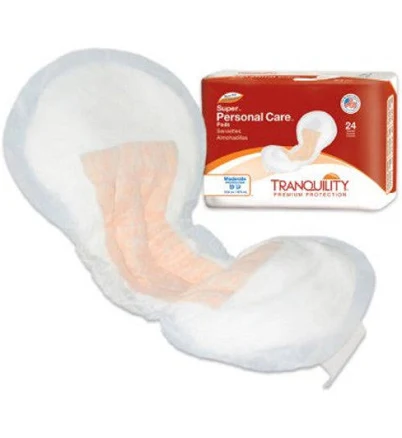
PBE Tranquility Personal Care Pads
70/100 safety
Same rubric that flunked this product. The swap earned Good.
Still want this one anyway? Check the price on Amazon. We’d swap it.
Material
Cellulose, SAP, elastic, nonwoven blend with moisture-barrier coating (unspecified)
Brand disclosure
Brand is silent on PFAS
Lab data
No public lab test
What Prevail Bladder Control Pad is made of, ingredients and materials
Prevail Bladder Control Pads combine cellulose (wood pulp), superabsorbent polymer (SAP, typically sodium polyacrylate), nonwoven synthetics, and elastic materials with an unspecified moisture-barrier coating. The coating is the main concern, manufacturers typically use either PFAS-based fluorochemicals or alternative water-repellent chemicals, but Prevail does not publicly specify which. Cellulose and SAP themselves are inert when used as intended, but the barrier layer determines safety.
What’s concerning
Category baseline
The starting point for this type of product, before anything specific to this product is counted.
No PFAS disclosure
No public statement from the brand about PFAS in this product.
Waterproof / stain-resistant treatment
Water-repellent coating treatments have historically used PFAS.
PFAS
Prevail's coating chemistry is proprietary and undisclosed. Incontinence pads routinely use fluorochemical water repellents; without certification, PFAS presence cannot be ruled out and represents the primary chemical risk in this product.
Source, ATSDR ↗Microplastics
Nonwoven synthetics in incontinence pads can fragment during use and disposal. Particles shed into sewage are not systematically measured, but fragmentation risk is inherent to synthetic fiber-based products and may accumulate with repeated wetness exposure.
Source, EPA ↗Bacterial or fungal growth if pads retained too long
This is a usage hazard, not a product defect, warm, moist environments favor pathogenic growth regardless of brand. Overuse or infrequent changing poses skin infection risk. Product quality does not mitigate this; user discipline does.
What’s reassuring
Skin irritation from coating or adhesives
No widespread recalls or adverse event reports link Prevail pads to contact dermatitis or allergic reactions. However, sensitivity to synthetic coatings or elastic components varies individually; prolonged moisture against skin can compound any irritation risk.
Undisclosed adhesive or elastic allergens
Elastic and adhesive formulations are typically not published. Common allergens like latex, acrylates, or rubber accelerators could be present. No specific sensitization reports for Prevail exist on public record, but lack of ingredient transparency prevents full assessment.
The full breakdown
The brand's record and disclosure
Prevail (Kimberly-Clark subsidiary) has not published PFAS-free certification or detailed chemical disclosures for incontinence products. The brand maintains general safety claims but remains silent on waterproofing chemistry, which is a red flag in an era when competitors increasingly market PFAS-free alternatives. No product recalls or regulatory violations specific to Prevail incontinence pads are on record for chemical leaching or skin reactions tied to coating chemistry.
How it compares in its category
Incontinence pads universally require moisture barriers; most use either PFAS fluorochemicals or polyethylene-based alternatives. Prevail occupies the mainstream mass-market tier alongside Depend and Tena, all of which guard coating formulations as proprietary. Brands like Pampers and some private-label offerings have begun marketing PFAS-free or plant-derived barrier options, making Prevail's silence increasingly noticeable and a competitive disadvantage for transparency-conscious buyers.
If you buy it
Change pads regularly (every 3-4 hours or when saturated) to prevent skin breakdown and bacterial overgrowth in the absorbent layer, regardless of coating type. Store in a cool, dry place away from direct heat or sunlight, as moisture-barrier coatings can degrade if exposed to high temperatures or prolonged humidity. If skin irritation develops, discontinue use and test whether it correlates to the pad itself (switch brands briefly) or another cause. Consider requesting product specifications that detail any PFAS-related ingredients directly from Prevail or Kimberly-Clark before large purchases.
What we don’t know
- Basis
- Model estimate, 45% confidence, not a lab result
- Lab test
- None on record for this exact product
- Brand statement
- Prevail has made none
Formulations change between production runs, so check the current label. How we grade.
Better-graded alternatives in Incontinence Pads & Protection
Eco By Naty
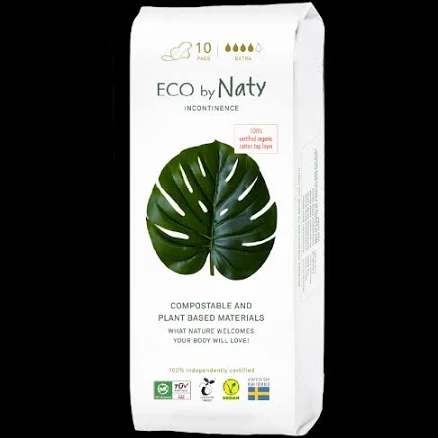
Incontinence Pads
- Bamboo-derived viscose, cotton, plant-based absorbent core
- We found no PFAS statement from the brand
- Heavy metals
Because Market
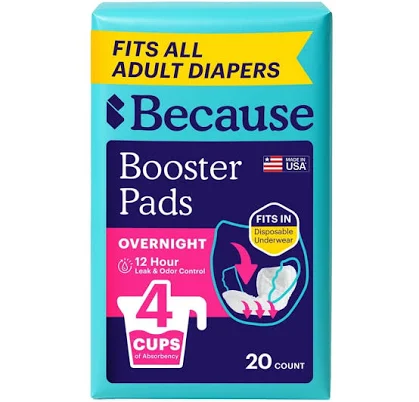
Because Booster Pads
- Cellulose, superabsorbent polymer, cotton blend
- We found no PFAS statement from the brand
- Absorbent material degradation and bacterial growth
2 hazards checked on this product. See all of them.
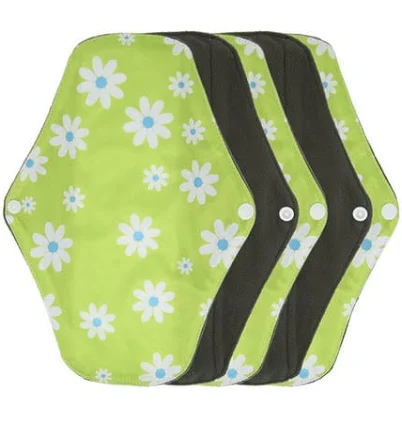
5pcs Bamboo Charcoal Washable Incontinence Pads
- bamboo charcoal textile, washable cotton-blend absorbent layer
- We found no PFAS statement from the brand
- Azo dyes and synthetic colorants
4 hazards checked on this product. See all of them.
More incontinence pads & protection grades
How we score, every product runs through the same public 0-100 rubric based on materials, coatings, brand disclosure, lab findings, and recalls. See the full methodology → Spotted a mistake? Report an error.