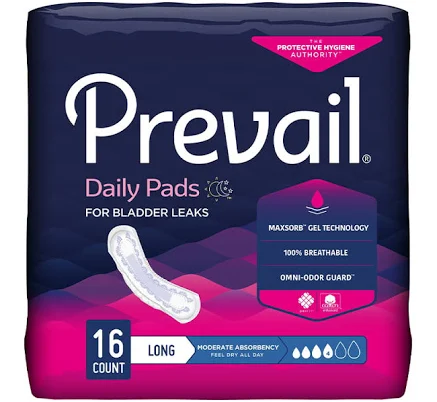
Prevail · Incontinence Pads & Protection
Prevail Daily Pads Bladder Control Pad BC-013
Wait for waterproof coating disclosure, as bladder pads typically use water-repellent coating treatments.
Prevail Daily Pads BC-013 are marketed as waterproof but the brand does not reveal the leak-barrier coating's chemistry. Waterproof absorbent products commonly rely on PFAS-based treatments for liquid repellency.
The better-graded swap
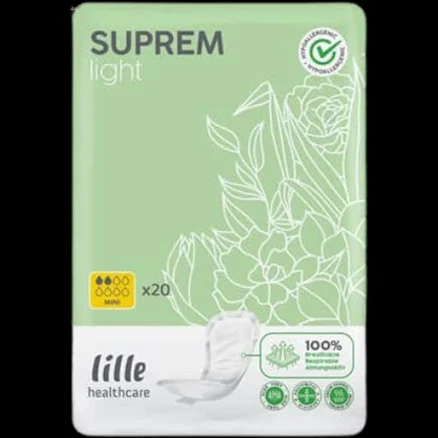
Lille
Suprem Light Mini 220ml 12 Packs Per Carton
70/100 safety
Same rubric that flunked this product. The swap earned Good.
Still want this one anyway? Check the price on Amazon. We’d swap it.
Material
Nonwoven/cellulose core with unspecified waterproof backing coating
Brand disclosure
Brand is silent on PFAS
Lab data
No public lab test
What Prevail Daily Pads Bladder Control Pad is made of, ingredients and materials
The BC-013 uses a nonwoven cellulose absorbent core, which is chemically inert and poses minimal direct hazard. The critical unknown is the waterproof backing coating, which manufacturers typically treat with fluorochemical durable water repellents (water-repellent coating) or other polymer sealants to prevent leakage. Prevail does not publicly disclose the specific backing chemistry, making it impossible to assess whether legacy PFAS chemistries or lower-concern alternatives are used. The nonwoven materials themselves do not inherently contain lead, cadmium, formaldehyde resins, or other regulated additives in this product class.
What’s concerning
Category baseline
The starting point for this type of product, before anything specific to this product is counted.
No PFAS disclosure
No public statement from the brand about PFAS in this product.
Waterproof / stain-resistant treatment
Water-repellent coating treatments have historically used PFAS.
Waterproof backing coating composition (undisclosed)
Prevail does not specify whether the waterproof layer uses fluorochemical water-repellent coating, polyurethane, or other chemistries. If fluorochemicals are present, PFAS exposure during use or disposal is possible; if non-fluorinated, risk is lower. Lack of disclosure prevents assessment.
Adhesive skin irritation or sensitization
Incontinence pads use pressure-sensitive adhesives to maintain positioning; acrylate-based adhesives are standard but can cause contact dermatitis in sensitive individuals. No specific allergen data is published for Prevail BC-013 adhesive formulations.
Skin maceration or irritation from prolonged moisture contact
This is a use-related hazard rather than chemical, if pads are not changed frequently, prolonged moisture exposure can break down skin barrier integrity and increase bacterial growth. Material itself is not toxic but prolonged saturation accelerates risk.
What’s reassuring
Nonwoven fiber shedding or microparticulate release
High-quality nonwoven cellulose in incontinence pads is well-bonded and does not typically shed microfibers during normal use. No published reports of fiber shedding from Prevail daily pads exist.
Heavy metals
Nonwoven incontinence pads typically use minimal dyes; no recalls or public test data indicate lead, cadmium, or heavy metal presence in Prevail products. Standard industry manufacturing does not introduce these in this product class.
Source, FDA ↗The full breakdown
The brand's record and disclosure
Prevail, owned by First Quality Enterprises, does not maintain a public PFAS disclosure policy or sustainability statement specific to incontinence products. The brand has not published test results, certifications (such as OEKO-TEX or GOTS), or ingredient transparency reports for the BC-013 or comparable products. No major safety recalls related to chemical leachates or coating degradation have been publicly documented for Prevail incontinence pads, but silence on waterproof treatment chemistry is a red flag in a product category where PFAS use is industry-standard.
How it compares in its category
Incontinence pad safety varies widely by manufacturer transparency. Competitors like Depend and TENA also do not routinely disclose waterproof backing chemistry, making Prevail's opacity typical rather than exceptional. Some premium or eco-certified alternatives (e.g., seventh generation or certain European brands) publish PFAS-free claims or water-repellent coating transparency, but these are less common and often more expensive. The BC-013 sits in the mainstream commercial segment where ingredient disclosure lags behind apparel or food packaging standards.
If you buy it
Store pads in a cool, dry place away from direct heat or sunlight to avoid potential coating degradation over time. Do not wash reusable incontinence garments containing these pads at temperatures above 140°F, as heat can compromise waterproof coatings and increase any leachable risk. Replace pads promptly when saturated to minimize skin contact time and reduce infection risk, which is the primary health concern in incontinence product use. If you have sensitive skin or unexplained irritation, consider patch-testing or switching brands; irritation may indicate dye, adhesive, or coating sensitivity rather than chemical leaching.
What we don’t know
- Basis
- Model estimate, 42% confidence, not a lab result
- Lab test
- None on record for this exact product
- Brand statement
- Prevail has made none
Formulations change between production runs, so check the current label. How we grade.
Better-graded alternatives in Incontinence Pads & Protection
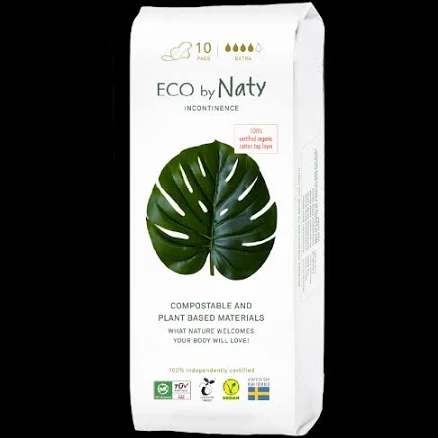
Eco By Naty
Incontinence Pads
- Bamboo-derived viscose, cotton, plant-based absorbent core
- We found no PFAS statement from the brand
- Heavy metals
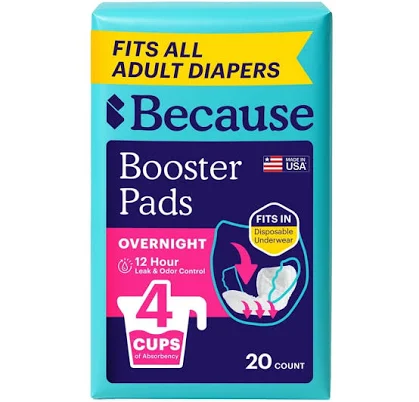
Because Market
Because Booster Pads
- Cellulose, superabsorbent polymer, cotton blend
- We found no PFAS statement from the brand
- Absorbent material degradation and bacterial growth
2 hazards checked on this product. See all of them.
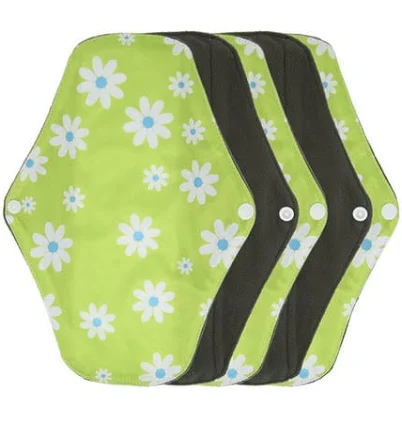
5pcs Bamboo Charcoal Washable Incontinence Pads
- bamboo charcoal textile, washable cotton-blend absorbent layer
- We found no PFAS statement from the brand
- Azo dyes and synthetic colorants
4 hazards checked on this product. See all of them.
More incontinence pads & protection grades
How we score, every product runs through the same public 0-100 rubric based on materials, coatings, brand disclosure, lab findings, and recalls. See the full methodology → Spotted a mistake? Report an error.