Prevail · Incontinence Pads & Protection
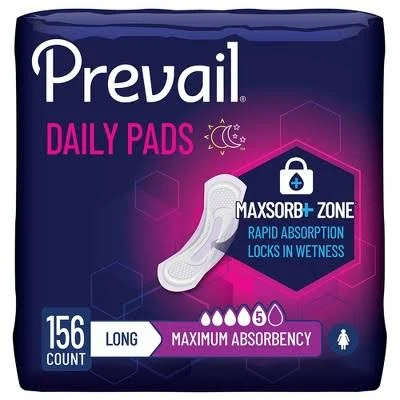
Prevail Daily Pads Maximum Bladder Control Pad
Waterproof treatment composition unknown from brand disclosure.
Prevail makes no public PFAS statements for this incontinence pad. Waterproof backings in absorbent products commonly use PFAS, though this brand gives no specifics without direct confirmation.
The better-graded swap
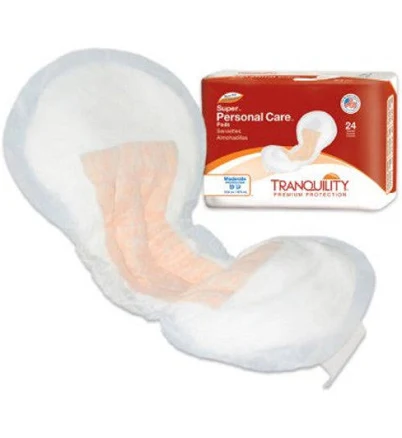
Tranquility
PBE Tranquility Personal Care Pads
70/100 safety
Same rubric that flunked this product. The swap earned Good.
Still want this one anyway? Check the price on Amazon. We’d swap it.
Material
absorbent core, waterproof backing layer, unspecified
Brand disclosure
Brand is silent on PFAS
Lab data
No public lab test
What Prevail Daily Pads Maximum Bladder is made of, ingredients and materials
Prevail Daily Pads use an absorbent core (likely superabsorbent polymer/SAP mixed with cellulose fluff) and a waterproof backing layer of unspecified composition. The backing is the critical unknown, modern incontinence pads typically use polyethylene, polypropylene, or laminates that may contain PFAS-based water-repellent coatings to achieve fluid barriers without bulk. Prevail has not publicly disclosed whether their waterproof treatment uses fluorinated compounds (PFAS), which are common in this product class to prevent leakage.
What’s concerning
Category baseline
The starting point for this type of product, before anything specific to this product is counted.
No PFAS disclosure
No public statement from the brand about PFAS in this product.
Waterproof / stain-resistant treatment
Water-repellent coating treatments have historically used PFAS.
PFAS
Fluorinated water-repellent coatings are standard in incontinence pad backings for durability and leakage prevention. Prevail has not disclosed whether its backing uses PFAS; given the product class, presence is plausible but unconfirmed. Dermal contact risk is low but chronic use over years creates cumulative exposure.
Source, ATSDR ↗What’s reassuring
Superabsorbent polymer (SAP) skin contact
The absorbent core contains SAP, which is considered non-toxic by FDA and standard in all major brands. Skin irritation from SAP itself is rare; issues typically arise from moisture trapping or secondary bacterial growth under prolonged pad wear, not the polymer chemistry.
Additives in adhesive or comfort layers
Prevail pads may include adhesive strips, elastic, or topsheet materials with minor additives (plasticizers, tackifiers). No specific hazards are documented for this product; however, ingredient lists are not published, making independent verification impossible.
Microplastic shedding from core breakdown
Incontinence pad cores can degrade and shed microfibers over extended storage or use, particularly if exposed to heat. This is a general category concern, not specific to Prevail, and poses minimal direct health risk during use but contributes to environmental contamination if pads are not disposed properly.
Fragrance or sensitizing additives
Prevail Daily Pads are marketed as 'odor control' but ingredient details are not publicly available. If fragrance is present, potential allergen risk exists for sensitive individuals, though incidence is low with dermal contact on absorbent products.
The full breakdown
The brand's record and disclosure
Prevail (owned by Kimberly-Clark) has not issued public statements about PFAS use or avoidance in its incontinence products, despite industry pressure and competitor transparency moves. The brand does not list PFAS-free certification or third-party test results for this product line. Kimberly-Clark's corporate sustainability reports focus on environmental footprint and do not address chemical disclosures for absorbent products, suggesting either use of PFAS without acknowledgment or a deliberate choice not to market around this issue.
How it compares in its category
Incontinence pads are among the least transparent product categories regarding PFAS; most major brands (Poise, Depend, Prevail) do not disclose waterproof backing chemistry. A small number of smaller or eco-focused competitors (e.g., some private-label organic pads, Rael) have begun marketing PFAS-free claims, but these are rare and may carry other tradeoffs in absorbency or cost. Prevail's silence puts it in the mainstream, but not the leader group for transparency.
If you buy it
Change pads regularly (do not leave saturated pad against skin for extended periods, as this increases skin irritation risk regardless of chemistry). Store in a cool, dry place away from heat or sunlight, as exposure may degrade polymer structure or trigger leaching of any additives. If you experience unexplained skin reactions, rash, or irritation after switching brands, discontinue and try a brand with published PFAS-free or certified-safe backing. Consider contacting Prevail customer service directly to request waterproof treatment disclosure; consumer pressure has prompted some brands to clarify.
What we don’t know
- Basis
- Model estimate, 35% confidence, not a lab result
- Lab test
- None on record for this exact product
- Brand statement
- Prevail has made none
Formulations change between production runs, so check the current label. How we grade.
Better-graded alternatives in Incontinence Pads & Protection
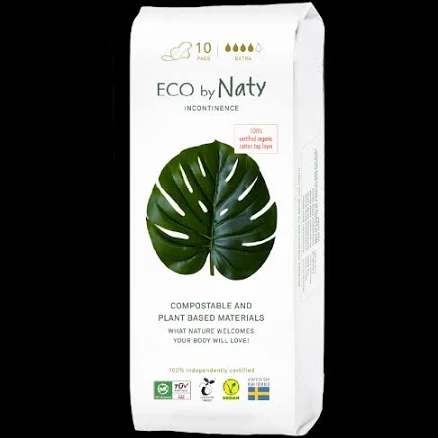
Eco By Naty
Incontinence Pads
- Bamboo-derived viscose, cotton, plant-based absorbent core
- We found no PFAS statement from the brand
- Heavy metals
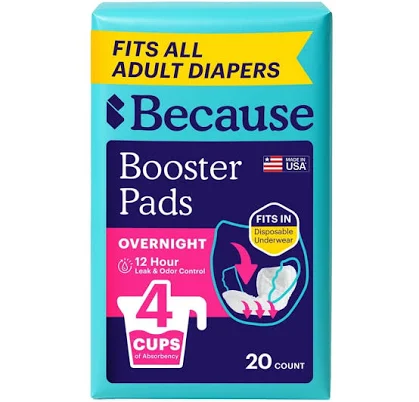
Because Market
Because Booster Pads
- Cellulose, superabsorbent polymer, cotton blend
- We found no PFAS statement from the brand
- Absorbent material degradation and bacterial growth
2 hazards checked on this product. See all of them.
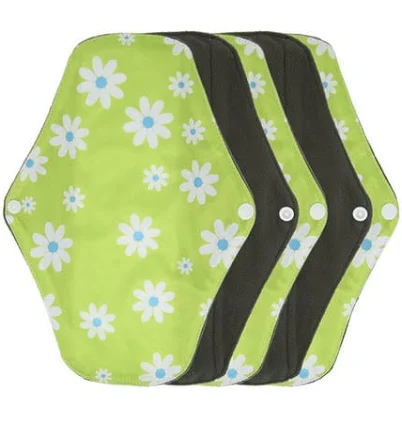
5pcs Bamboo Charcoal Washable Incontinence Pads
- bamboo charcoal textile, washable cotton-blend absorbent layer
- We found no PFAS statement from the brand
- Azo dyes and synthetic colorants
4 hazards checked on this product. See all of them.
More incontinence pads & protection grades
How we score, every product runs through the same public 0-100 rubric based on materials, coatings, brand disclosure, lab findings, and recalls. See the full methodology → Spotted a mistake? Report an error.