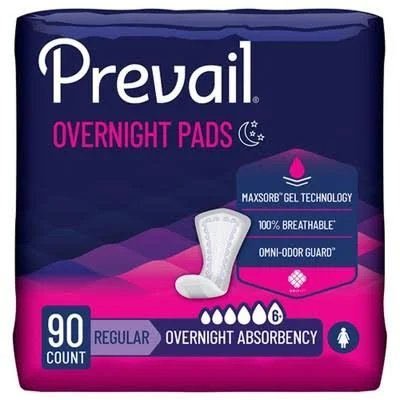
Prevail · Incontinence Pads & Protection
Prevail Daily Pads Overnight Bladder Control Pad
Waterproof coating composition unknown from brand.
Prevail provides no material or PFAS information for this overnight pad. The waterproof backing likely requires some form of water-resistant treatment, but no ingredient transparency is offered.
The better-graded swap
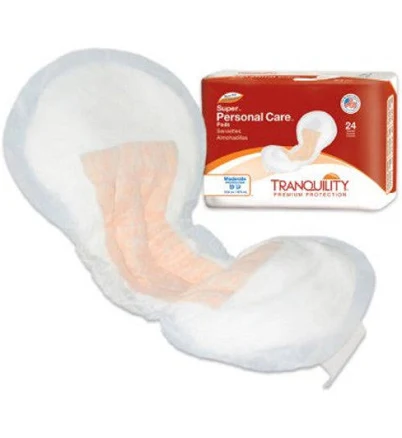
Tranquility
PBE Tranquility Personal Care Pads
70/100 safety
Same rubric that flunked this product. The swap earned Good.
Still want this one anyway? Check the price on Amazon. We’d swap it.
Material
nonwoven, superabsorbent polymer, waterproof backing (composition unspecified)
Brand disclosure
Brand is silent on PFAS
Lab data
No public lab test
What Prevail Daily Pads Overnight Bladder is made of, ingredients and materials
Prevail Daily Overnight uses a three-layer structure, a nonwoven topsheet (typically polypropylene or similar fiber), a superabsorbent polymer core (usually sodium polyacrylate) for fluid absorption, and an unspecified waterproof backing layer. The critical unknown is the backing material and any water-resistant coatings applied to it, which in many absorbent hygiene products historically relied on PFAS chemicals to achieve liquid barriers. Superabsorbent polymers themselves are not known to leach harmful chemicals under normal use, but the backing composition directly determines skin contact risk.
What’s concerning
Category baseline
The starting point for this type of product, before anything specific to this product is counted.
No PFAS disclosure
No public statement from the brand about PFAS in this product.
Waterproof / stain-resistant treatment
Water-repellent coating treatments have historically used PFAS.
PFAS
Backing composition is not disclosed; fluorinated water-repellent polymers are still common in disposable hygiene pads to create liquid barriers. Skin contact with PFAS-containing coatings during extended wear carries potential for dermal absorption, though risk is graded separately at 25/100.
Source, ATSDR ↗Microplastics
Synthetic nonwoven and polymer layers break down into microfibers and microplastics when incinerated or landfilled, contributing to environmental persistence rather than direct consumer health risk during use.
Source, EPA ↗What’s reassuring
Skin irritation from synthetic topsheet or adhesives
No reported cases of Prevail Daily Pads causing contact dermatitis or sensitization. Nonwoven polypropylene is generally hypoallergenic, but adhesives and residual processing chemicals can trigger irritation in sensitive individuals; risk is individual rather than product-specific.
Dioxins from bleaching process
Modern bleaching in disposable menstrual pads typically uses elemental chlorine-free or totally chlorine-free methods, which minimize dioxin formation. Prevail does not specify its bleaching protocol, but dioxin contamination in commercially available pads is rare and regulated by EPA.
Moisture retention and bacterial overgrowth
Superabsorbent polymers lock moisture away and reduce microbial growth risk compared to cotton pads if changed regularly. Overnight wear (8+ hours) increases bacterial colonization potential of any menstrual product; risk is behavioral rather than material-inherent.
The full breakdown
The brand's record and disclosure
Prevail, a subsidiary of First Quality Enterprises, has not publicly disclosed PFAS content or waterproof backing chemistry for this product line. The brand has not achieved third-party certifications (e.g., Cradle to Cradle, OEKO-TEX) that would verify absence of restricted substances. No recalls or safety controversies specific to Prevail Daily Pads are on record, but the company's silence on coating composition mirrors broader industry opacity in the feminine hygiene sector.
How it compares in its category
Overnight absorbent pads require waterproof backing to function; most competitors (Kotex, Always, Tampax) use similar nonwoven-plus-polymer constructions with undisclosed coatings. Brands like Natracare and Seventh Generation offer organic cotton alternatives without synthetic waterproof layers, though they sacrifice absorbency. Prevail does not stand out as more or less transparent than mainstream rivals, reflecting an industry-wide gap in PFAS and chemical disclosure for disposable menstrual products.
If you buy it
Change pads every 4-8 hours to minimize prolonged skin contact with any potential coating residues. Do not incinerate used pads (avoid releasing coatings at high heat). If you experience rash, irritation, or allergic reaction, discontinue and switch to a certified or unbleached alternative. Consider requesting product material disclosure directly from First Quality Enterprises; consumer pressure has prompted some manufacturers to publish alternatives with lower concern.
What we don’t know
- Basis
- Model estimate, 35% confidence, not a lab result
- Lab test
- None on record for this exact product
- Brand statement
- Prevail has made none
Formulations change between production runs, so check the current label. How we grade.
Better-graded alternatives in Incontinence Pads & Protection
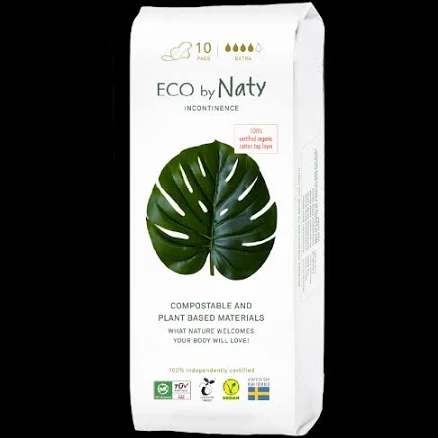
Eco By Naty
Incontinence Pads
- Bamboo-derived viscose, cotton, plant-based absorbent core
- We found no PFAS statement from the brand
- Heavy metals
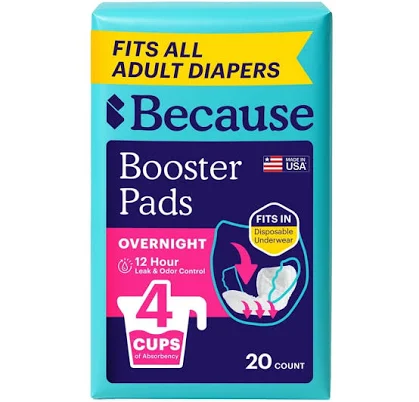
Because Market
Because Booster Pads
- Cellulose, superabsorbent polymer, cotton blend
- We found no PFAS statement from the brand
- Absorbent material degradation and bacterial growth
2 hazards checked on this product. See all of them.
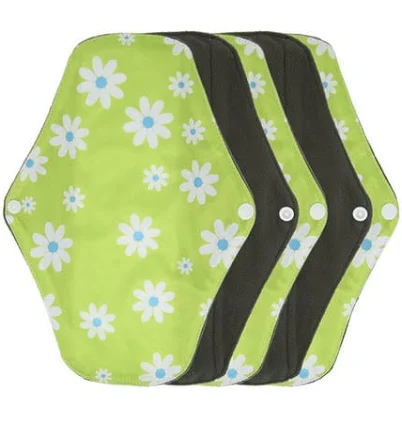
5pcs Bamboo Charcoal Washable Incontinence Pads
- bamboo charcoal textile, washable cotton-blend absorbent layer
- We found no PFAS statement from the brand
- Azo dyes and synthetic colorants
4 hazards checked on this product. See all of them.
More incontinence pads & protection grades
How we score, every product runs through the same public 0-100 rubric based on materials, coatings, brand disclosure, lab findings, and recalls. See the full methodology → Spotted a mistake? Report an error.