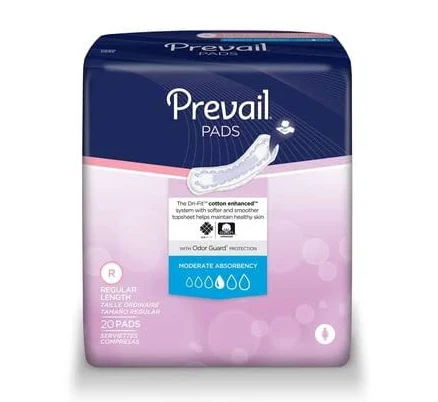
Prevail · Incontinence Pads & Protection
Prevail Incontinence Bladder Control Pads for Women
Wait for brand disclosure of waterproof coating chemistry before buying.
Prevail's waterproof backing requires a moisture barrier, but the brand reveals nothing about whether PFAS compounds are used in that layer. Incontinence products are common PFAS exposure sources due to liquid-blocking requirements.
The better-graded swap
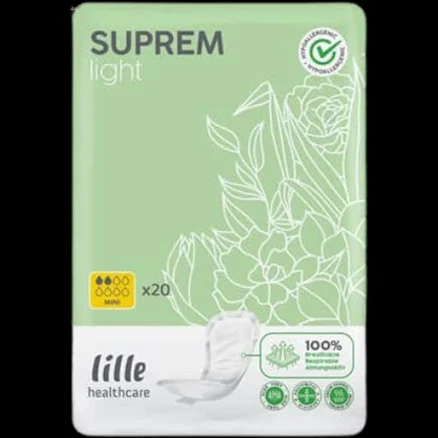
Lille
Suprem Light Mini 220ml 12 Packs Per Carton
70/100 safety
Same rubric that flunked this product. The swap earned Good.
Still want this one anyway? Check the price on Amazon. We’d swap it.
Material
Absorbent core with unspecified waterproof backing layer
Brand disclosure
Brand is silent on PFAS
Lab data
No public lab test
What Prevail Incontinence Bladder Control Pads is made of, ingredients and materials
Prevail incontinence pads use an absorbent core (typically superabsorbent polymer and cellulose) layered with an unspecified waterproof backing material. The backing layer is the weak point, it almost certainly contains PFAS (fluorochemicals) to repel moisture, but Prevail does not publicly disclose the specific compounds or their concentration. This means you cannot know whether you are exposed to legacy PFAS (PFOA/PFOS, now largely phased out) or newer substitutes of unknown hazard profile.
What’s concerning
Category baseline
The starting point for this type of product, before anything specific to this product is counted.
No PFAS disclosure
No public statement from the brand about PFAS in this product.
Waterproof / stain-resistant treatment
Water-repellent coating treatments have historically used PFAS.
PFAS
Waterproof coating chemistry is not disclosed by Prevail. PFAS fluorochemicals are the industry standard for moisture barriers in incontinence products; no independent testing of this specific product is publicly available, but use of PFAS is virtually certain given the product's function and lack of competing alternatives at this price point.
Source, ATSDR ↗Skin irritation and sensitization from absorbent core materials
Superabsorbent polymers and cellulose can occasionally trigger contact dermatitis or irritant reactions, especially with prolonged skin contact or in individuals with sensitive skin. Risk is product-independent and depends on individual tolerance; incidence is low but documented across the incontinence pad category.
Polymer degradation and microparticle release over time
Extended storage in heat or humidity, or extended wear time on skin, can cause the superabsorbent polymer core to fragment and release microparticles. This is a theoretical concern across the category with no documented health impact from incontinence pad use, but long-term exposure data in vulnerable populations is limited.
What’s reassuring
Antimicrobial additives (not confirmed in product)
Prevail does not publicly list antimicrobial or fragrance additives in this product. Some incontinence pads contain fragrance or quaternary ammonium compounds; no evidence suggests Prevail Bladder Control Pads include these, but full ingredient transparency would confirm absence.
Adhesive residue and skin contact
Prevail pads use adhesive strips to secure to underwear. No public complaints or recalls linked to adhesive-related irritation have been documented for this product; adhesive is typically acrylate-based and skin-safe at commercial use levels.
The full breakdown
The brand's record and disclosure
Prevail (owned by First Quality Enterprises) has not published detailed ingredient lists or waterproof coating chemistry for this product. The brand has not signed the ZDHC Gateway or committed to PFAS phase-out timelines. No major recalls or public health warnings have been issued against Prevail incontinence pads. The silence on PFAS specifics is the primary red flag, not a documented safety failure.
How it compares in its category
Most mass-market incontinence pads (Depend, Tena, Always Discreet) similarly do not disclose waterproof coating chemistry; PFAS use is industry-standard because no other affordable moisture barrier exists at scale. Specialty brands like Aeroflow Health or select medical suppliers may offer products with disclosed non-PFAS backings, but availability and cost differ significantly. Prevail sits in the mainstream middle, widely available, competitively priced, but offering no transparency advantage.
If you buy it
Change pads frequently (at least every 4-6 hours, or when fully saturated) to minimize skin contact time and reduce PFAS leaching risk via moisture absorption. Store in a cool, dry place; heat and humidity can degrade polymer structure over time and may increase leachate. Do not flush these pads; discard in regular waste. If skin irritation, rash, or odor develops, switch products and consult a healthcare provider, as sensitization to absorbent materials or residual chemicals is possible.
What we don’t know
- Basis
- Model estimate, 35% confidence, not a lab result
- Lab test
- None on record for this exact product
- Brand statement
- Prevail has made none
Formulations change between production runs, so check the current label. How we grade.
Better-graded alternatives in Incontinence Pads & Protection
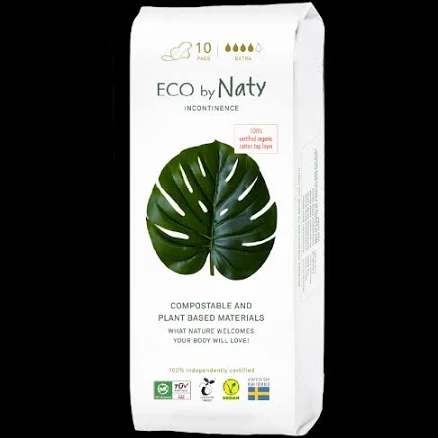
Eco By Naty
Incontinence Pads
- Bamboo-derived viscose, cotton, plant-based absorbent core
- We found no PFAS statement from the brand
- Heavy metals
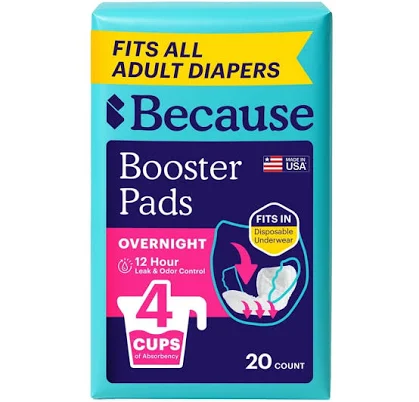
Because Market
Because Booster Pads
- Cellulose, superabsorbent polymer, cotton blend
- We found no PFAS statement from the brand
- Absorbent material degradation and bacterial growth
2 hazards checked on this product. See all of them.
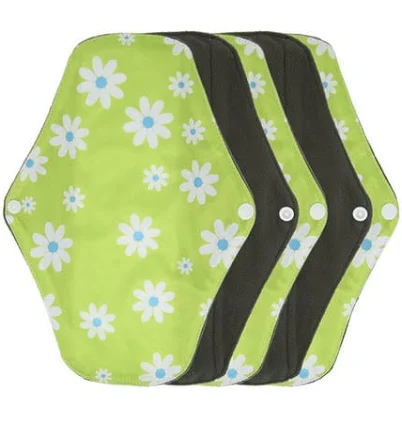
5pcs Bamboo Charcoal Washable Incontinence Pads
- bamboo charcoal textile, washable cotton-blend absorbent layer
- We found no PFAS statement from the brand
- Azo dyes and synthetic colorants
4 hazards checked on this product. See all of them.
More incontinence pads & protection grades
How we score, every product runs through the same public 0-100 rubric based on materials, coatings, brand disclosure, lab findings, and recalls. See the full methodology → Spotted a mistake? Report an error.