Prevail · Incontinence Pads & Protection
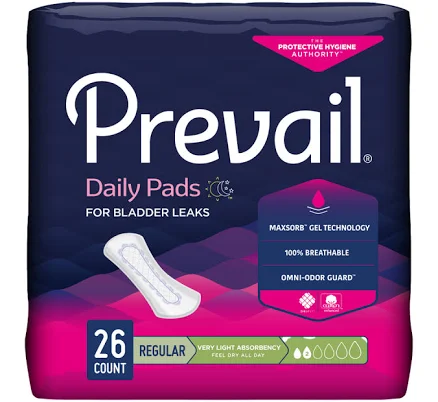
Prevail Incontinence Bladder Control Pads for Women, Low Absorbency, Regular Length, 20 count
Wait for transparency before buying, as incontinence pads often use PFAS-treated backings.
Prevail incontinence pads contain a waterproof backing layer where PFAS coatings are commonly applied, but the brand offers no public information on its composition or PFAS-free status. No third-party testing or certifications exist.
The better-graded swap
Wellness
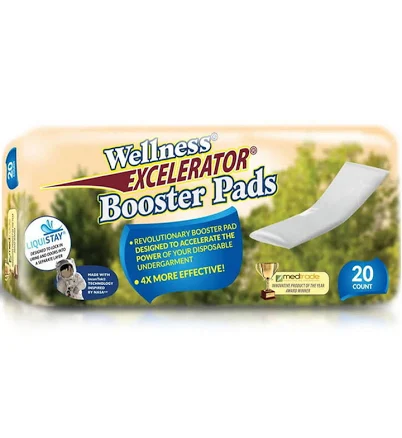
Wellness Excelerator Booster Pad
70/100 safety
Same rubric that flunked this product. The swap earned Good.
Still want this one anyway? Check the price on Amazon. We’d swap it.
Material
cellulose-based absorbent core; waterproof backing layer (composition unspecified)
Brand disclosure
Brand is silent on PFAS
Lab data
No public lab test
What Prevail Incontinence Bladder Control Pads is made of, ingredients and materials
Prevail pads use a cellulose-based absorbent core, which is chemically inert and does not leach harmful substances during normal skin contact. The critical unknown is the waterproof backing layer, which in most incontinence pads is either plastic film (polyethylene or polypropylene) or a synthetic laminate. Many manufacturers in this category treat backings with PFAS (PFAS "forever chemicals") to achieve water resistance, but Prevail does not publicly disclose this. Without transparency on backing composition, the safety profile of the backing layer cannot be fully assessed.
What’s concerning
Category baseline
The starting point for this type of product, before anything specific to this product is counted.
No PFAS disclosure
No public statement from the brand about PFAS in this product.
Waterproof / stain-resistant treatment
Water-repellent coating treatments have historically used PFAS.
PFAS
Incontinence pad backings commonly use PFAS-treated films for water resistance. Prevail does not disclose backing chemistry, so PFAS presence is unconfirmed but typical in this product category. Direct skin contact over long periods could pose exposure risk if PFAS is present.
Source, ATSDR ↗Dermal sensitization from product contact
Incontinence pads can trigger contact dermatitis in sensitive individuals due to adhesives, perfumes, or undisclosed chemical residues. Prevail does not specify whether this product contains fragrance or sensitizing additives. Rates of reported reactions are generally low for mainstream brands in this category.
What’s reassuring
Irritant chemicals in cellulose or adhesive
Cellulose absorbent core is chemically stable. No specific irritant residues (formaldehyde, azo dyes) have been documented in Prevail pads. However, adhesives used to bind core layers are not disclosed and could theoretically contain low levels of irritants in sensitive individuals.
Microplastic or polymer particle shedding
No public reports of Prevail pads degrading or shedding microplastics during use. Cellulose cores are stable, but backing film could degrade over time or with friction, potentially releasing small polymer fragments. Risk appears low under normal usage conditions.
Heavy metals
Prevail pads feature minimal printed graphics (branding only). No documented cases of heavy metal contamination or toxic dye migration from printed areas. Colored backing films themselves are not known to leach contaminants.
Source, FDA ↗The full breakdown
The brand's record and disclosure
Prevail is manufactured by First Quality Enterprises, a major incontinence-product supplier. The company has not published detailed chemical disclosures or certifications (such as OEKO-TEX or similar standards) for this product line. No recalls or safety incidents specific to Prevail incontinence pads have been widely reported in public databases. However, the lack of proactive transparency on PFAS and other chemical content is a significant gap, particularly given the category's known reliance on fluorinated coatings.
How it compares in its category
Prevail occupies the mainstream commercial segment of incontinence pads. Most competitors in this tier (Depend, Tena, Always Discreet) similarly do not disclose backing chemistry. Premium or eco-certified alternatives (such as some organic or hypoallergenic brands) may provide more detailed ingredient lists and PFAS-free certifications, but are typically more expensive. Standard drugstore brands like Prevail are not known to have worse chemical profiles than peers, but they also do not lead in transparency.
If you buy it
Change pads regularly (every 2-4 hours or as needed) to minimize prolonged skin contact and reduce any risk from unknown chemical components. Store pads in a cool, dry place away from direct heat or sunlight, as thermal stress could theoretically increase leaching. Do not wash or reuse pads. If you develop skin irritation, redness, or allergic reactions after switching to this brand, discontinue use and consult a healthcare provider. Consider requesting the Safety Data Sheet (SDS) or technical specifications from the manufacturer to learn backing composition before committing to bulk purchases.
What we don’t know
- Basis
- Model estimate, 35% confidence, not a lab result
- Lab test
- None on record for this exact product
- Brand statement
- Prevail has made none
Formulations change between production runs, so check the current label. How we grade.
Better-graded alternatives in Incontinence Pads & Protection
Eco By Naty
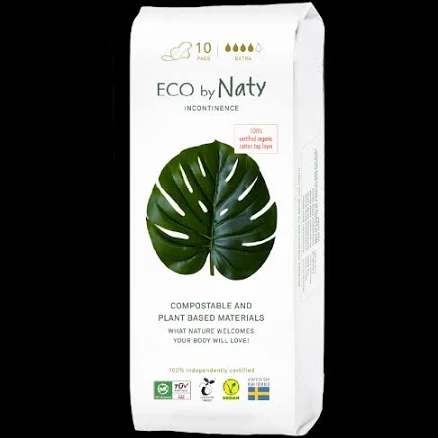
Incontinence Pads
- Bamboo-derived viscose, cotton, plant-based absorbent core
- We found no PFAS statement from the brand
- Heavy metals
Because Market
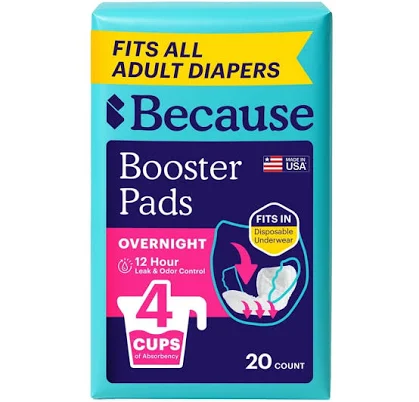
Because Booster Pads
- Cellulose, superabsorbent polymer, cotton blend
- We found no PFAS statement from the brand
- Absorbent material degradation and bacterial growth
2 hazards checked on this product. See all of them.
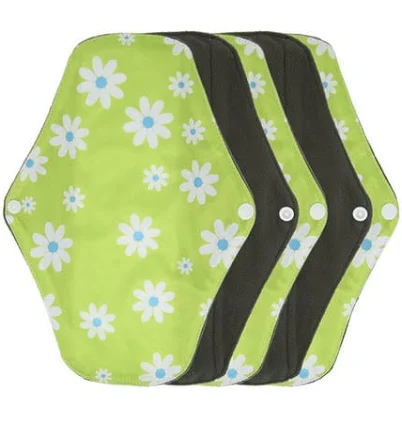
5pcs Bamboo Charcoal Washable Incontinence Pads
- bamboo charcoal textile, washable cotton-blend absorbent layer
- We found no PFAS statement from the brand
- Azo dyes and synthetic colorants
4 hazards checked on this product. See all of them.
More incontinence pads & protection grades
How we score, every product runs through the same public 0-100 rubric based on materials, coatings, brand disclosure, lab findings, and recalls. See the full methodology → Spotted a mistake? Report an error.