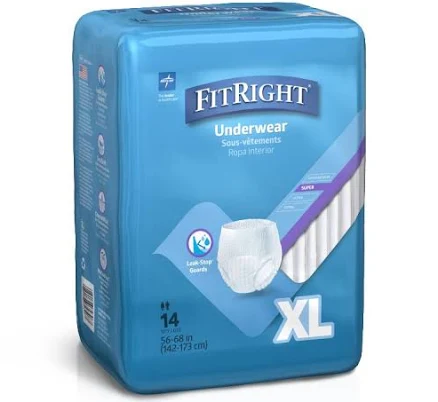
Medline · Incontinence Pads & Protection
Medline FitRight Adult Incontinence Pull-Up Underwear
Avoid until PFAS status clarified by manufacturer.
Adult incontinence pull-ups typically use waterproof coatings of unspecified chemistry. This brand does not publicly disclose PFAS status or provide third-party verification for this product.
The better-graded swap
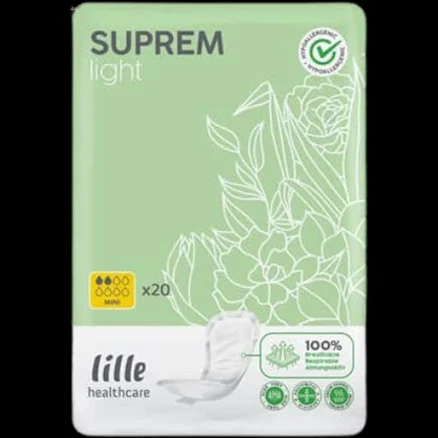
Lille
Suprem Light Mini 220ml 12 Packs Per Carton
70/100 safety
Same rubric that flunked this product. The swap earned Good.
Still want this one anyway? Check the price on Amazon. We’d swap it.
Material
Non-woven fabric blend with waterproof backing layer
Brand disclosure
Brand is silent on PFAS
Lab data
No public lab test
What Medline FitRight Adult Incontinence is made of, ingredients and materials
Medline FitRight pull-ups use a non-woven fabric blend (typically polypropylene and cellulose) with a polyethylene or polypropylene waterproof backing layer. Non-woven materials themselves are not known to leach toxic chemicals into skin during normal contact, unlike some coatings or dyes. The waterproof backing is the highest-risk component since synthetic polymers can degrade under heat or prolonged moisture exposure, though incontinence products are not typically exposed to high temperatures during use.
What’s concerning
Category baseline
The starting point for this type of product, before anything specific to this product is counted.
No PFAS disclosure
No public statement from the brand about PFAS in this product.
Waterproof / stain-resistant treatment
Water-repellent coating treatments have historically used PFAS.
Waterproof backing polymer degradation
Polyethylene or polypropylene backing layers can break down under prolonged moisture and heat, potentially releasing microplastics or oligomers into the microenvironment against skin; risk is low during normal use but increases with extended wear or high temperature exposure.
Formaldehyde / VOCs
Some non-woven fabrics use formaldehyde-based binders to hold fibers together; typical exposure is very low because the product does not generate heat or friction that would accelerate off-gassing, and skin contact is external.
Source, ATSDR ↗Bacterial or fungal growth from moisture retention
Incontinence pull-ups create a warm, moist microenvironment that promotes bacterial and yeast growth if not changed frequently; this is a use-pattern hazard, not a chemical one, but is the primary skin health risk in this category.
Skin sensitization to synthetic polymer residues
Some individuals experience contact dermatitis from prolonged exposure to non-woven polypropylene or polyethylene; Medline does not disclose whether residual monomers or processing aids remain in the finished product, and no allergen labeling is provided.
What’s reassuring
Dye or colorant transfer from non-woven fabric
Non-woven incontinence products are typically dyed minimally or use disperse dyes; no documented cases of azo dye toxicity or heavy metal contamination in mainstream brands like Medline, though material composition is not publicly detailed.
The full breakdown
The brand's record and disclosure
Medline Industries is a major medical device manufacturer with FDA clearance for incontinence products but does not publicly disclose detailed material safety certifications or chemical composition for this line. The brand has not issued voluntary sustainability or chemical transparency reports comparable to some personal care competitors. No major recalls or chemical contamination incidents are on record for this specific product, though the absence of disclosure does not confirm safety.
How it compares in its category
Adult incontinence pull-ups are a mature category with fewer regulatory concerns than diapers or menstrual products because they spend less time against skin and involve no internal absorption. Competitors like Depend and Tena offer similar non-woven constructions with equally opaque material disclosure. Pull-ups avoid the talc contamination risk of some powder-based incontinence products, and non-woven fabrics carry lower dye-toxicity risk than heavily printed textiles.
If you buy it
Change pull-ups regularly to prevent skin irritation and bacterial growth in the warm, moist environment; prolonged wear increases infection risk regardless of material chemistry. Do not expose to direct heat sources or wash in hot water, as the backing may degrade. Store in a cool, dry place away from extreme moisture to minimize any polymer leaching. If skin irritation, rash, or odor develops, switch brands to rule out material sensitivity.
What we don’t know
- Basis
- Model estimate, 45% confidence, not a lab result
- Lab test
- None on record for this exact product
- Brand statement
- Medline has made none
Formulations change between production runs, so check the current label. How we grade.
Better-graded alternatives in Incontinence Pads & Protection
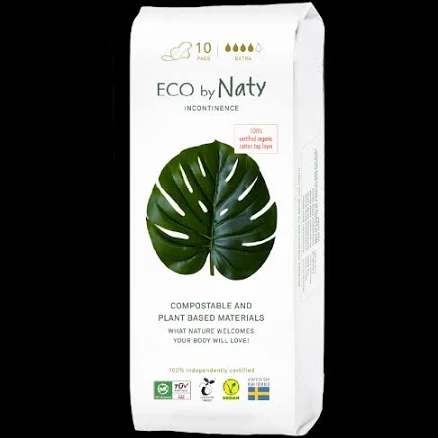
Eco By Naty
Incontinence Pads
- Bamboo-derived viscose, cotton, plant-based absorbent core
- We found no PFAS statement from the brand
- Heavy metals
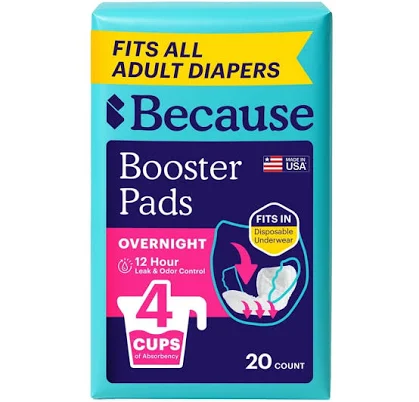
Because Market
Because Booster Pads
- Cellulose, superabsorbent polymer, cotton blend
- We found no PFAS statement from the brand
- Absorbent material degradation and bacterial growth
2 hazards checked on this product. See all of them.
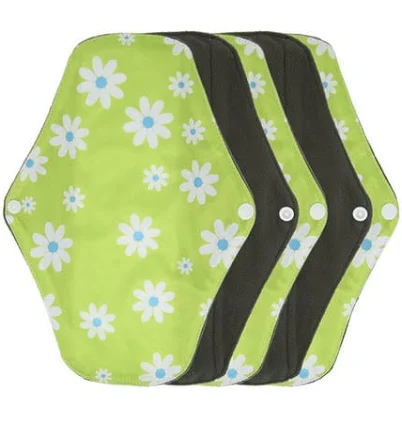
5pcs Bamboo Charcoal Washable Incontinence Pads
- bamboo charcoal textile, washable cotton-blend absorbent layer
- We found no PFAS statement from the brand
- Azo dyes and synthetic colorants
4 hazards checked on this product. See all of them.
More incontinence pads & protection grades
How we score, every product runs through the same public 0-100 rubric based on materials, coatings, brand disclosure, lab findings, and recalls. See the full methodology → Spotted a mistake? Report an error.