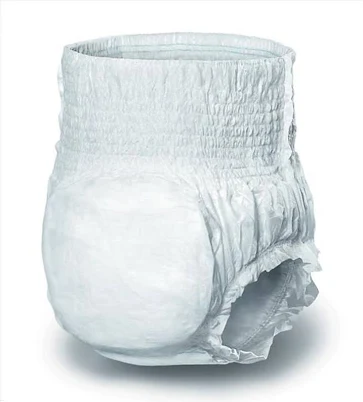
Protection Plus · Incontinence Pads & Protection
Protection Plus Classic Protective Underwear - 80.00
Unknown waterproof treatment; brand silent on PFAS.
Protective underwear typically uses water-resistant backings, which may contain PFAS-based or alternative treatments. The brand provides no disclosure on PFAS or material sourcing.
The better-graded swap
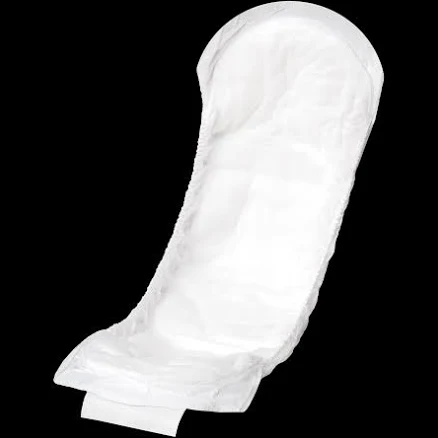
Tranquility
Tranquility Personal Care Pads
70/100 safety
Same rubric that flunked this product. The swap earned Good.
Still want this one anyway? Check the price on Amazon. We’d swap it.
Material
Absorbent cotton/polymer blend with waterproof backing
Brand disclosure
Brand is silent on PFAS
Lab data
No public lab test
What Protection Plus Classic Protective is made of, ingredients and materials
Protection Plus Classic uses a cotton/polymer absorbent core paired with a waterproof backing layer. The cotton component is generally low-risk for chemical contamination, but the waterproof backing is typically a synthetic polymer coating (often polyethylene or polyurethane) where PFAS chemicals are commonly applied to repel liquids. Without brand disclosure, the identity and safety profile of that backing treatment cannot be verified.
What’s concerning
Category baseline
The starting point for this type of product, before anything specific to this product is counted.
No PFAS disclosure
No public statement from the brand about PFAS in this product.
Waterproof / stain-resistant treatment
Water-repellent coating treatments have historically used PFAS.
PFAS
Waterproof textile backings commonly contain PFOA, PFOS, or other PFAS to achieve water repellency. No public brand statement confirms or rules this out for Protection Plus Classic. Migration to skin or environment cannot be assessed without material disclosure.
Source, ATSDR ↗Polymer coating degradation and microplastic shedding
Polyethylene or polyurethane backings can degrade over repeated washing and wearing, potentially releasing microparticles. This risk increases with heat exposure (hot water, machine drying) and is not unique to this brand but is higher when backing composition is unknown.
Bacterial or fungal growth if moisture trapped or poorly dried
Absorbent underwear that retains moisture or is not fully dried before wearing can create conditions for microbial growth. This is a hygiene risk common to all absorbent products, not specific to Protection Plus, but proper drying and regular replacement mitigate it.
What’s reassuring
Skin irritation from synthetic polymers or adhesives
No documented allergic or irritant reactions specific to Protection Plus Classic have been publicly reported. Sensitivity depends on individual skin and the specific polymer/adhesive chemistry, which is not disclosed.
Formaldehyde / VOCs
Cotton-based absorbent products may undergo finishing treatments (including dyes or resins), but formaldehyde exposure in underwear is rare and not documented for this brand. No public safety alerts or recalls exist.
Source, ATSDR ↗The full breakdown
The brand's record and disclosure
Protection Plus has no widely documented public sustainability or chemical disclosure statements on file. The brand does not appear to publish material safety data, PFAS avoidance commitments, or third-party certifications (such as Cradle to Cradle or Oeko-Tex). This silence on waterproof backing chemistry is the primary transparency gap for a product where the backing is a key functional component.
How it compares in its category
Period underwear and incontinence products vary widely in backing treatment. Some brands (including some major retailers' private labels) now use PFAS-free polyurethane or PE backings; others do not disclose. Protection Plus Classic does not position itself as having lower concern for PFAS, placing it in the middle-risk band of the category rather than a leader. Cost at USD 80 is mid-range for absorbent underwear.
If you buy it
Wash in cold or warm water (not hot) to minimize polymer degradation and any leaching from the backing; hot water is unnecessary for absorbent underwear and can weaken coatings. Replace when absorbency noticeably declines or backing shows visible wear. Do not machine dry at high heat; air dry or low heat to preserve the waterproof layer. Consider contacting the manufacturer directly to request PFAS and backing material transparency before purchase if this is a concern for you.
What we don’t know
- Basis
- Model estimate, 45% confidence, not a lab result
- Lab test
- None on record for this exact product
- Brand statement
- Protection Plus has made none
Formulations change between production runs, so check the current label. How we grade.
Better-graded alternatives in Incontinence Pads & Protection
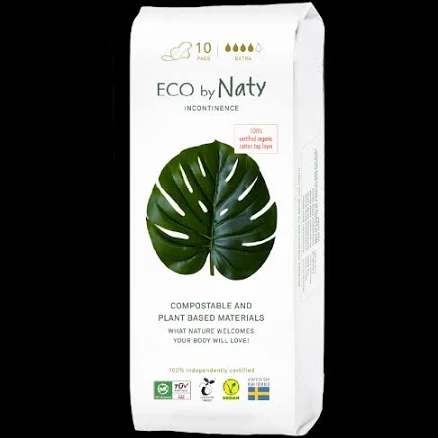
Eco By Naty
Incontinence Pads
- Bamboo-derived viscose, cotton, plant-based absorbent core
- We found no PFAS statement from the brand
- Heavy metals
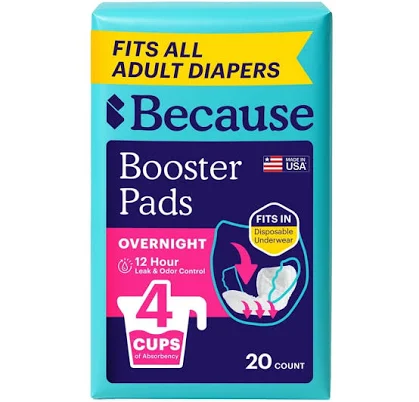
Because Market
Because Booster Pads
- Cellulose, superabsorbent polymer, cotton blend
- We found no PFAS statement from the brand
- Absorbent material degradation and bacterial growth
2 hazards checked on this product. See all of them.
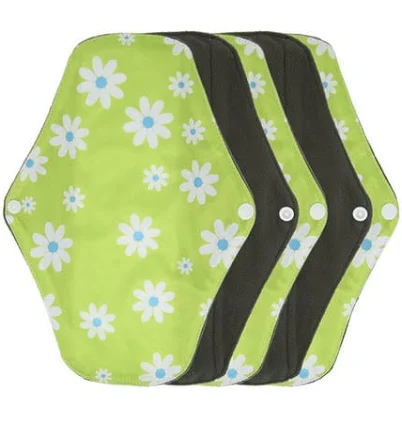
5pcs Bamboo Charcoal Washable Incontinence Pads
- bamboo charcoal textile, washable cotton-blend absorbent layer
- We found no PFAS statement from the brand
- Azo dyes and synthetic colorants
4 hazards checked on this product. See all of them.
More incontinence pads & protection grades
How we score, every product runs through the same public 0-100 rubric based on materials, coatings, brand disclosure, lab findings, and recalls. See the full methodology → Spotted a mistake? Report an error.