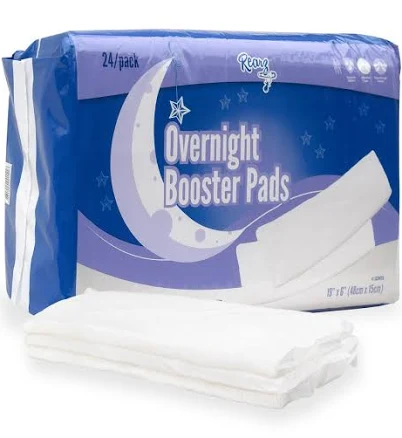
Rearz · Incontinence Pads & Protection
Rearz Overnight Booster Pads Case
Waterproof treatment composition unknown, PFAS presence unclear.
Rearz overnight boosters have waterproof backing of undisclosed composition and the brand shares no PFAS information. Overnight pads typically employ water-resistant layers that may contain PFAS without transparency.
The better-graded swap
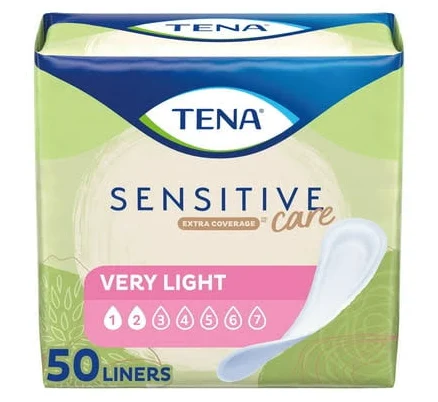
Tena
TENA Very Light
70/100 safety
Same rubric that flunked this product. The swap earned Good.
Still want this one anyway? Check the price on Amazon. We’d swap it.
Material
cellulose/synthetic absorbent core with waterproof backing layer
Brand disclosure
Brand is silent on PFAS
Lab data
No public lab test
What Rearz Overnight Booster Pads Case is made of, ingredients and materials
Rearz Overnight Booster Pads use a cellulose-based absorbent core (wood pulp) combined with synthetic materials and a waterproof backing layer. The cellulose itself has no hazard of this kind on record for skin contact, but the waterproof layer's chemical composition is not publicly disclosed by Rearz. Without transparency on whether this backing uses Teflon-type coating, polyurethane, or other polymers, the specific leaching and degradation risks remain unconfirmed.
What’s concerning
Category baseline
The starting point for this type of product, before anything specific to this product is counted.
No PFAS disclosure
No public statement from the brand about PFAS in this product.
Waterproof / stain-resistant treatment
Water-repellent coating treatments have historically used PFAS.
PFAS
Waterproof layer composition is undisclosed; PFAS-based water repellents are common in period-pad backings, but no specific testing or manufacturer confirmation exists for this product.
Source, ATSDR ↗Synthetic polymer degradation and leaching
Extended contact with moisture, body heat, and acidic menstrual fluid can degrade synthetic backing layers over time, potentially releasing monomers or plasticizers; risk level depends on specific polymer type (unknown).
Contact dermatitis from undisclosed additives
Adhesives, dyes, or processing residues in the synthetic backing or absorbent layers are not itemized; users with sensitive skin or previous pad-related reactions face unquantified risk.
What’s reassuring
Microplastics
No recalls or documented complaints of microplastic shedding from Rearz pads. Synthetic absorbent cores can fragment if heavily used or stored improperly, but this is not a known issue with this brand.
Source, EPA ↗Chlorine bleach residue (if bleached cellulose used)
Rearz does not disclose whether cellulose is elemental chlorine-free (ECF) or totally chlorine-free (TCF); if ECF is used and improperly rinsed, trace dioxins are theoretically possible but undocumented in period-pad products.
The full breakdown
The brand's record and disclosure
Rearz is a smaller, Australia-based brand focused on incontinence and period products. The company does not publicly disclose material certifications (ISO, Oeko-Tex, or similar third-party standards) or provide detailed component breakdowns for its pads. No major product recalls or safety incidents are documented in public databases. The brand's silence on PFAS use and waterproofing chemistry is consistent with minimal industry-wide disclosure in this category.
How it compares in its category
Most period-pad makers (Kotex, Always, Tampax, and indie brands like Cora and Reel) also do not routinely disclose full waterproof backing chemistry, so Rearz is not an outlier in opacity. However, some competitors have moved toward certified organic or hypoallergenic lines with public material statements. Overnight-specific boosters tend to use thicker synthetic cores and more robust water barriers, increasing the surface area of potentially undisclosed polymers. Rearz's pricing and positioning suggest it targets practical, budget-conscious users rather than the premium/organic segment.
If you buy it
Store pads in a cool, dry place away from direct heat or sunlight to minimize any polymer degradation or off-gassing. Use for intended overnight or heavy-flow periods only; do not repurpose or expose to extreme moisture. If skin irritation, rash, or unusual odor develops, discontinue and switch to a certified hypoallergenic alternative. Consider requesting material safety data sheets or transparency statements directly from Rearz if PFAS concerns are a priority.
What we don’t know
- Basis
- Model estimate, 35% confidence, not a lab result
- Lab test
- None on record for this exact product
- Brand statement
- Rearz has made none
Formulations change between production runs, so check the current label. How we grade.
Better-graded alternatives in Incontinence Pads & Protection
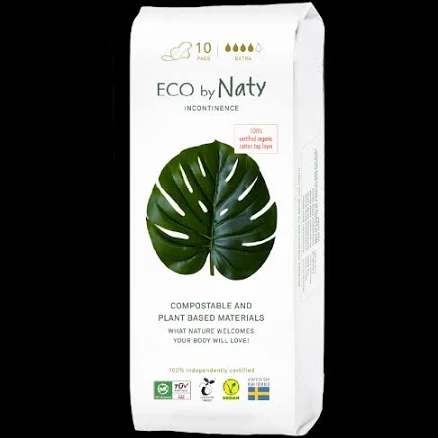
Eco By Naty
Incontinence Pads
- Bamboo-derived viscose, cotton, plant-based absorbent core
- We found no PFAS statement from the brand
- Heavy metals
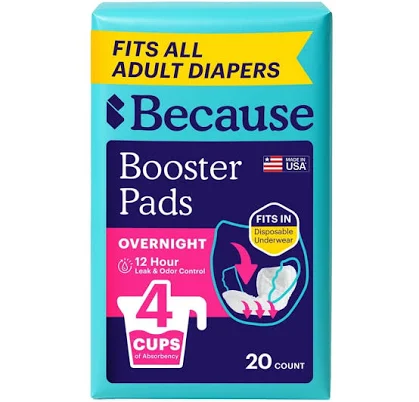
Because Market
Because Booster Pads
- Cellulose, superabsorbent polymer, cotton blend
- We found no PFAS statement from the brand
- Absorbent material degradation and bacterial growth
2 hazards checked on this product. See all of them.
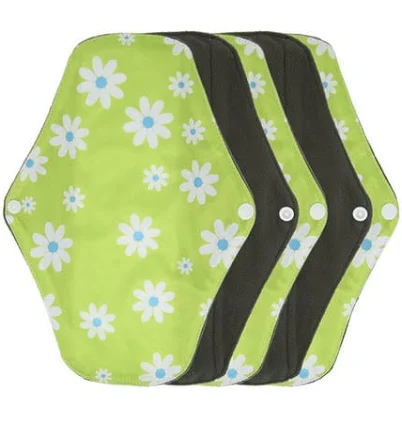
5pcs Bamboo Charcoal Washable Incontinence Pads
- bamboo charcoal textile, washable cotton-blend absorbent layer
- We found no PFAS statement from the brand
- Azo dyes and synthetic colorants
4 hazards checked on this product. See all of them.
More incontinence pads & protection grades
How we score, every product runs through the same public 0-100 rubric based on materials, coatings, brand disclosure, lab findings, and recalls. See the full methodology → Spotted a mistake? Report an error.