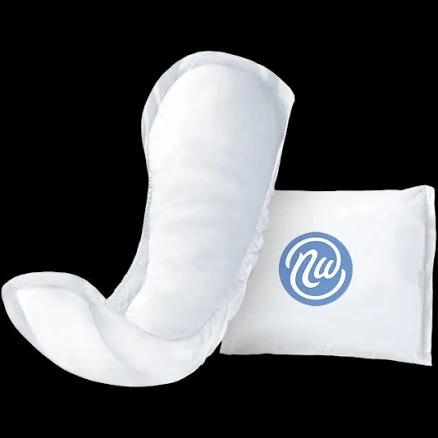
Nexwear · Incontinence Pads & Protection
Nexwear Premium Bladder Control Pads
Typical pad with waterproof backing raising PFAS concern, no testing found.
Nexwear Premium pads use a waterproof backing layer typical of incontinence products, where water-repellent coating treatments often rely on PFAS. Renfrew makes no public PFAS disclosure or claims.
The better-graded swap
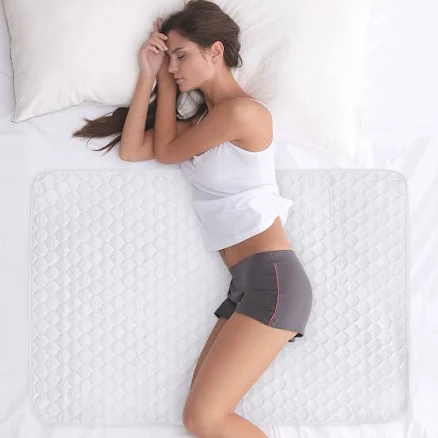
Organic Bamboo Incontinence Pads - White
70/100 safety
Same rubric that flunked this product. The swap earned Good.
Still want this one anyway? Check the price on Amazon. We’d swap it.
Material
Absorbent core (likely cellulose/SAP) with synthetic waterproof backing
Brand disclosure
Brand is silent on PFAS
Lab data
No public lab test
You may also be interested in
Top-graded picks in the categories readers replace first, every one scored on the same rubric.

- polypropylene filter housing, carbon/sediment cartridge
- We found no PFAS statement from the brand
- Bacterial growth in spent cartridges
3 hazards checked on this product, all on its full breakdown.

Aquasure
Premier Series 75 GPD Under Sink Reverse Osmosis Water Filtration System
- RO membrane, carbon filters, stainless steel housing
- We found no PFAS statement from the brand
- Bacterial and microbial growth in housing and filters
4 hazards checked on this product, all on its full breakdown.

Avocado
Vegan Mattress
- organic cotton, natural latex, coconut coir, recycled steel coils
- The brand calls it PFAS-free, which we have not verified
- Heavy metals
2 hazards checked on this product, all on its full breakdown.
What Nexwear Premium Bladder Control Pads is made of, ingredients and materials
Nexwear Premium pads use a cellulose or superabsorbent polymer (SAP) core sandwiched between a synthetic waterproof backing layer and a top sheet, likely nonwoven polypropylene. The waterproof backing is the critical safety concern, manufacturers typically use fluorochemical coatings (PFAS compounds) or polyurethane to prevent leakage, both of which present chemical exposure pathways through skin contact over extended wear periods. SAP itself is generally recognized as safe, but the backing layer durability and potential for microparticle shedding with repeated use warrant attention.
What’s concerning
Category baseline
The starting point for this type of product, before anything specific to this product is counted.
No PFAS disclosure
No public statement from the brand about PFAS in this product.
Waterproof / stain-resistant treatment
Water-repellent coating treatments have historically used PFAS.
PFAS
Waterproof layer almost certainly contains PFAS to prevent leakage; no independent testing published. Skin contact over hours per wear session represents cumulative exposure, particularly problematic for users with sensitive skin or frequent use.
Source, ATSDR ↗Microplastic/synthetic fiber shedding
Nonwoven polypropylene top sheet and backing can break down or shed fibers with friction, heat, or repeated compression. Risk escalates if pads are worn in high-heat environments or kept in storage without protection from moisture.
Skin sensitization or irritation from backing polymers
Polyurethane or acrylic coatings used in waterproof backings are documented causes of contact dermatitis and maceration in some users, particularly with extended wear. Individual sensitivity varies; irritation may appear after days or weeks of consistent use.
Polymer degradation and leachable monomer release
Heat, moisture, and UV exposure during storage or use can degrade synthetic backing materials and release uncrosslinked oligomers or monomers into contact with skin. No manufacturer testing data is publicly available for Nexwear Premium.
Bacterial growth if backing traps moisture against skin
Poor ventilation from impermeable synthetic backing can create a moist microenvironment favorable to bacterial overgrowth, increasing urinary tract infection risk if pads are changed infrequently or fit too tightly.
How is this PFAS grade calculated?
The brand's record and disclosure
Renfrew has made no public commitment to PFAS-free formulations or transparency about waterproof backing composition; the company does not disclose material sourcing or chemical testing results in available marketing or safety documentation. No major safety recalls specific to Nexwear Premium pads are documented in public databases. The brand's silence on fluorochemical use is consistent with industry norm for incontinence products but represents a missed opportunity for differentiation and consumer trust.
How it compares in its category
Most mass-market incontinence pads (Depend, Always Discreet, Tena) rely on fluorochemical or polyurethane backings without disclosure; Nexwear Premium sits in the typical middle tier. A small number of niche brands (e.g., some organic or eco-focused lines) advertise PFAS-free construction, though verification is difficult. Nexwear's "premium" positioning suggests higher absorbency rather than different chemical hazard profiles, placing it neither ahead of nor behind category standards.
If you buy it
Change pads regularly (at least 4-6 times daily or when saturated) to minimize prolonged skin contact with the synthetic backing. Avoid heat exposure during storage; keep in a cool, dry place to slow any potential polymer degradation. Inspect pads before use for visible tears or peeling backing, which increases microparticle risk. If skin irritation develops after consistent use, consider discontinuing or switching to a competitor product to isolate the cause.
What is not known about PFAS in this product?
- Basis
- Model estimate, 45% confidence, not a lab result
- Lab test
- None on record for this exact product
- Brand statement
- Nexwear has made none
Formulations change between production runs, so check the current label. How we grade.
What are the PFAS-free alternatives to Nexwear Premium Bladder Control Pads?
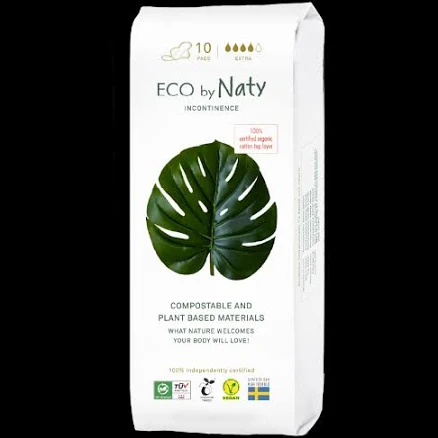
- Bamboo-derived viscose, cotton, plant-based absorbent core
- We found no PFAS statement from the brand
- Heavy metals
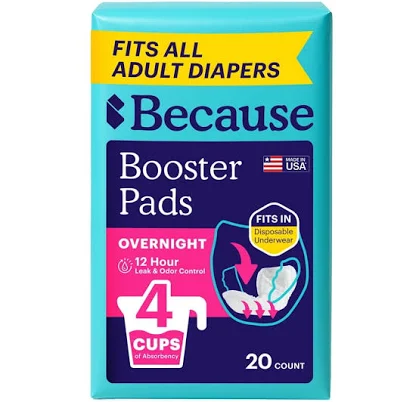
- Cellulose, superabsorbent polymer, cotton blend
- We found no PFAS statement from the brand
- Absorbent material degradation and bacterial growth
2 hazards checked on this product, all on its full breakdown.
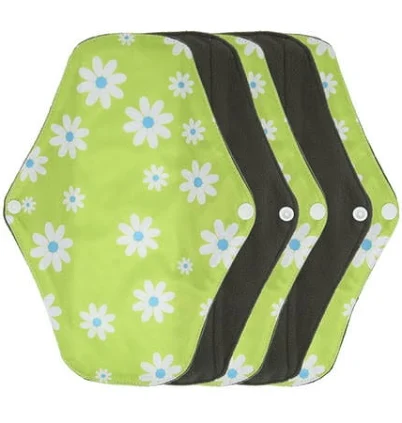
5pcs Bamboo Charcoal Washable Incontinence Pads
- bamboo charcoal textile, washable cotton-blend absorbent layer
- We found no PFAS statement from the brand
- Azo dyes and synthetic colorants
4 hazards checked on this product, all on its full breakdown.
More incontinence pads & protection grades
How we score, every product runs through the same public 0-100 rubric based on materials, coatings, brand disclosure, lab findings, and recalls. See the full methodology → Spotted a mistake? Report an error.