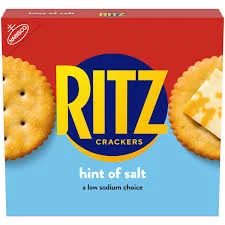
Ritz Crackers with Salt
Grease-resistant paperboard likely contains PFAS; no brand transparency.
Ritz with Salt uses grease-resistant paperboard, a known PFAS source in food packaging. No testing data or public commitment from the brand available.
The better-graded swap
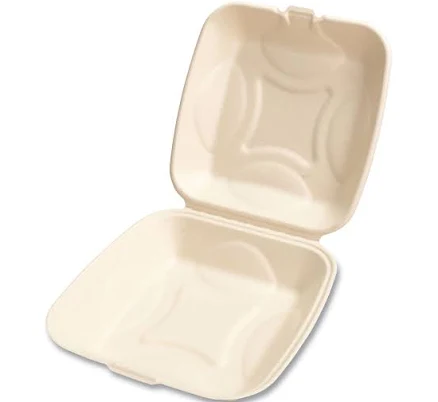
Bagasse
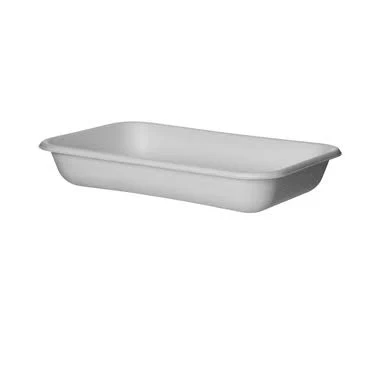
Bagasse PFAS-Free Food Containers
95/100 safety
Same rubric that flunked this product. The swap earned Excellent.
Still want this one anyway? Check the price on Amazon. We’d swap it.
Material
paperboard with grease-resistant coating
Brand disclosure
Brand is silent on PFAS
Lab data
No public lab test
You may also be interested in
Top-graded picks in the categories readers replace first, every one scored on the same rubric.

- polypropylene filter housing, carbon/sediment cartridge
- We found no PFAS statement from the brand
- Bacterial growth in spent cartridges
3 hazards checked on this product, all on its full breakdown.

Aquasure
Premier Series 75 GPD Under Sink Reverse Osmosis Water Filtration System
- RO membrane, carbon filters, stainless steel housing
- We found no PFAS statement from the brand
- Bacterial and microbial growth in housing and filters
4 hazards checked on this product, all on its full breakdown.

Avocado
Vegan Mattress
- organic cotton, natural latex, coconut coir, recycled steel coils
- The brand calls it PFAS-free, which we have not verified
- Heavy metals
2 hazards checked on this product, all on its full breakdown.
What Ritz Crackers with Salt is made of, ingredients and materials
Ritz crackers come in paperboard packaging with a grease-resistant coating applied to the interior surface to prevent oil from the crackers from saturating or leaking through the box. This coating is almost certainly a fluorinated compound (PFAS-based) or similar synthetic water and grease repellent, a standard industry practice for oily snack packaging. Paperboard itself is inert, but the coating is the exposure vector when the crackers contact the interior surface. Heating or prolonged storage of fatty foods in contact with this coating can increase migration risk, though crackers are shelf-stable room-temperature products.
What’s concerning
Category baseline
The starting point for this type of product, before anything specific to this product is counted.
No PFAS disclosure
No public statement from the brand about PFAS in this product.
Waterproof / stain-resistant treatment
Water-repellent coating treatments have historically used PFAS.
Grease-resistant coating migration
The fluorinated polymer coating on interior paperboard surfaces is designed to repel oil but can migrate onto fatty foods in contact with it, especially under heat or extended storage. Ritz crackers, being oily, represent moderate contact risk per serving.
Mineral oil or paraffin wax contaminants in paperboard
Recycled paperboard used in food packaging may contain residual mineral oils from printing inks or prior uses. No specific testing of Ritz packaging has been published; this is a general paperboard-sourcing risk, not Ritz-specific.
What’s reassuring
BPA & bisphenols
BPA is occasionally found in paperboard coatings, but major cracker manufacturers including Ritz have phased BPA from food-contact surfaces in response to regulatory pressure. No reported detections in Ritz packaging.
Source, FDA ↗Ink or dye migration from exterior printing
Exterior box printing is separated from the food by the paperboard thickness; this poses minimal risk. No reported issues with Ritz packaging inks.
Allergen cross-contamination in packaging
Ritz packaging itself poses no allergen hazard; the cracker formulation and facility practices are separate food-safety concerns outside packaging scope.
How is this PFAS grade calculated?
The brand's record and disclosure
Ritz (owned by Mondelez International) has not publicly committed to PFAS-free packaging or disclosed the specific composition of their grease-resistant coatings. The brand has made no public statements on PFAS in food packaging as of recent records. No recalls or safety violations specific to Ritz packaging chemistry are on record. The silent stance is typical of major snack manufacturers and reflects lack of regulatory pressure rather than a sign of safety.
How it compares in its category
Most mass-market oily cracker and chip packaging relies on identical grease-resistant coating technology, so Ritz is unremarkable in this category. Premium or organic cracker brands sometimes use minimal or uncoated paperboard, accepting grease staining as a tradeoff. Bulk or plastic-bagged alternatives shift the hazard profile to plasticizer concerns rather than eliminating PFAS exposure entirely. Ritz represents the mainstream commercial approach, not an outlier.
If you buy it
Store unopened boxes at room temperature away from heat or direct sunlight; do not place packaging near ovens or in hot cars, as this can increase coating migration into the crackers. Once opened, transfer crackers to airtight containers if storing longer than a few days to reduce contact time with the coating. This is a shelf-stable convenience food with a short consumption window, so hazard exposure per serving is typically minimal for infrequent consumers. If concerned about PFAS, rotate to uncoated or alternative brands; if eating regularly, this becomes a cumulative exposure worth evaluating in the context of total diet.
What is not known about PFAS in this product?
- Basis
- Model estimate, 45% confidence, not a lab result
- Lab test
- None on record for this exact product
- Brand statement
- Ritz has made none
Formulations change between production runs, so check the current label. How we grade.
What are the PFAS-free alternatives to Ritz Crackers with Salt?
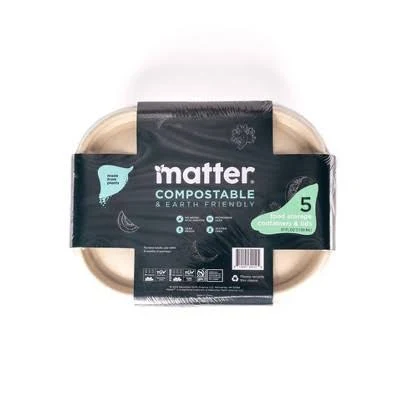
- Plant-based fiber pulp (compostable)
- A third party reports verifying it as PFAS-free
- Microbe/mold growth if stored damp
2 hazards checked on this product, all on its full breakdown.
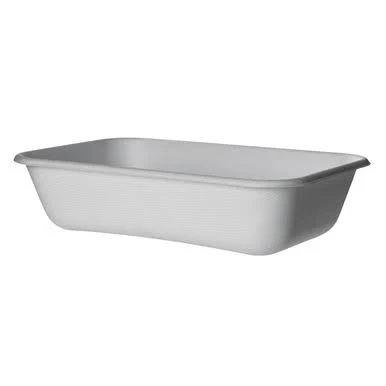
Eco-Products
Eco Products WorldView Compostable Take-Out Containers EP-SCRC32
- Plant-based fiber (compostable sugarcane bagasse)
- A third party reports verifying it as PFAS-free
- Bleaching agents and processing residues
3 hazards checked on this product, all on its full breakdown.
Eco-Products
WorldView Sugarcane Take-Out Containers
- Sugarcane bagasse (post-consumer fiber)
- A third party reports verifying it as PFAS-free
- Cellulose fiber degradation and food contact
2 hazards checked on this product, all on its full breakdown.
More food packaging grades
How we score, every product runs through the same public 0-100 rubric based on materials, coatings, brand disclosure, lab findings, and recalls. See the full methodology → Spotted a mistake? Report an error.