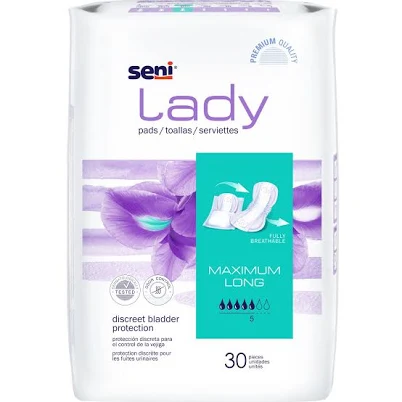
Seni · Incontinence Pads & Protection
Seni Lady Maximum
Waterproof backing composition unknown; no PFAS disclosure provided.
This incontinence pad has a waterproof backing made from unspecified materials. The brand offers no PFAS statements or public testing results.
The better-graded swap
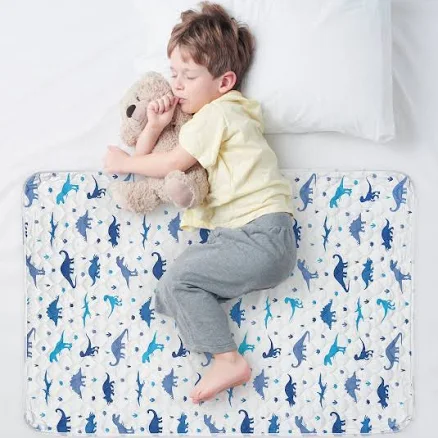
Organic Bamboo Incontinence Pads - White Dinosaur
70/100 safety
Same rubric that flunked this product. The swap earned Good.
Still want this one anyway? Check the price on Amazon. We’d swap it.
Material
absorbent core with waterproof backing layer
Brand disclosure
Brand is silent on PFAS
Lab data
No public lab test
You may also be interested in
Top-graded picks in the categories readers replace first, every one scored on the same rubric.

- polypropylene filter housing, carbon/sediment cartridge
- We found no PFAS statement from the brand
- Bacterial growth in spent cartridges
3 hazards checked on this product, all on its full breakdown.

Aquasure
Premier Series 75 GPD Under Sink Reverse Osmosis Water Filtration System
- RO membrane, carbon filters, stainless steel housing
- We found no PFAS statement from the brand
- Bacterial and microbial growth in housing and filters
4 hazards checked on this product, all on its full breakdown.

Avocado
Vegan Mattress
- organic cotton, natural latex, coconut coir, recycled steel coils
- The brand calls it PFAS-free, which we have not verified
- Heavy metals
2 hazards checked on this product, all on its full breakdown.
What Seni Lady Maximum is made of, ingredients and materials
Seni Lady Maximum uses an absorbent core (likely cellulose and superabsorbent polymers) paired with a waterproof backing layer; the backing chemistry is the critical unknown. Waterproof layers in period products typically use either polyethylene (low risk) or fluorochemical coatings for enhanced repellency, and Seni has not disclosed which. The core materials themselves are standard for the category, but the backing determines whether PFAS or other leachables contact skin during extended wear.
What’s concerning
Category baseline
The starting point for this type of product, before anything specific to this product is counted.
No PFAS disclosure
No public statement from the brand about PFAS in this product.
Waterproof / stain-resistant treatment
Water-repellent coating treatments have historically used PFAS.
PFAS
Seni does not disclose the chemistry of its waterproof backing. If fluorochemical-based (rather than polyethylene), potential for skin contact with volatile or leachable compounds; specific risk cannot be quantified without disclosure.
Source, ATSDR ↗Skin irritation and contact sensitization from backing materials
High-absorbency pads with waterproof backings can trap moisture and heat if changed infrequently, increasing risk of irritation independent of chemical toxicity. Seni's backing material identity is unknown, so comparison to safer alternatives (e.g., breathable, chlorine-free options) is not feasible.
Disposal and environmental persistence
If the waterproof backing contains PFAS or other persistent polymers, disposal in household waste contributes to landfill and potential groundwater contamination; Seni provides no guidance on environmental impact of its waterproofing method.
What’s reassuring
Superabsorbent polymer (SAP) integrity and leaching
Sodium polyacrylate, standard in period pads, is generally recognized as safe at skin-contact levels, but degradation over time or exposure to heat may alter particle size. No recalls or widespread complaints specific to Seni Lady Maximum have been documented.
Adhesive and elastic component chemicals
Period pads use adhesives and elastic components that may contain plasticizers or residual solvents. Seni does not publish safety data on these, and no independent analysis of Seni Lady Maximum adhesives has been published.
How is this PFAS grade calculated?
The brand's record and disclosure
Seni is a German-owned brand (now part of Essity, a major hygiene company) with established presence in European markets, but has published no independent certifications (such as Oeko-Tex or similar) regarding chemical content or waterproofing methods. The brand has remained silent on PFAS despite industry-wide questions about menstrual product safety, particularly following 2021-2023 media scrutiny of 'forever chemicals' in period products. This silence is not evidence of use, but absence of transparency in a category where competitors have begun disclosure.
How it compares in its category
Seni Lady Maximum occupies the mid-to-premium segment for incontinence-style period protection (high-absorbency pads). Competitors like Kotex and Always have begun voluntary PFAS or chemical disclosures under consumer pressure; Seni's lack of public statements places it below these leaders on transparency, though this does not confirm higher chemical risk. No independent lab testing of Seni Lady Maximum for PFAS or phthalates has been published in accessible sources.
If you buy it
Change pads every 4-6 hours to minimize prolonged skin contact with any potential leachables from the backing layer. Store in a cool, dry place away from direct heat or sunlight, as warmth can accelerate breakdown of polymer layers. Do not flush; dispose in household waste. If you experience unexplained skin irritation, sensitivity, or allergic reactions, discontinue use and consider testing with a product that has published chemical disclosures. Request Seni's waterproofing method and material safety data by contacting customer service; brand responsiveness to transparency requests influences future purchase decisions.
What is not known about PFAS in this product?
- Basis
- Model estimate, 45% confidence, not a lab result
- Lab test
- None on record for this exact product
- Brand statement
- Seni has made none
Formulations change between production runs, so check the current label. How we grade.
What are the PFAS-free alternatives to Seni Lady Maximum?
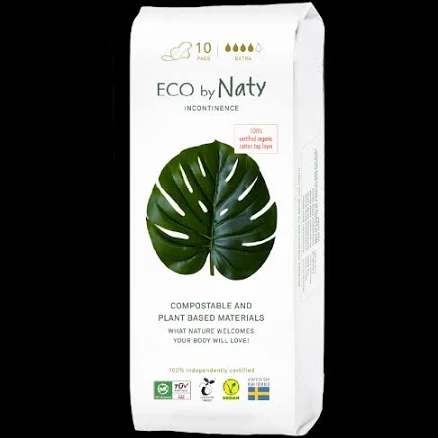
- Bamboo-derived viscose, cotton, plant-based absorbent core
- We found no PFAS statement from the brand
- Heavy metals
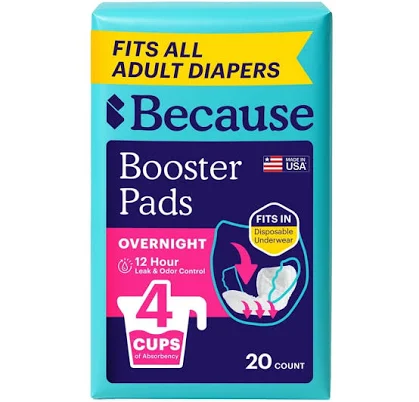
- Cellulose, superabsorbent polymer, cotton blend
- We found no PFAS statement from the brand
- Absorbent material degradation and bacterial growth
2 hazards checked on this product, all on its full breakdown.
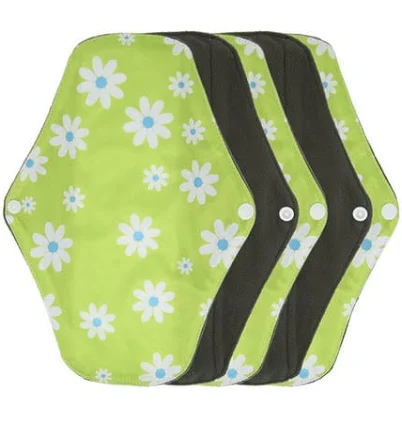
5pcs Bamboo Charcoal Washable Incontinence Pads
- bamboo charcoal textile, washable cotton-blend absorbent layer
- We found no PFAS statement from the brand
- Azo dyes and synthetic colorants
4 hazards checked on this product, all on its full breakdown.
More incontinence pads & protection grades
How we score, every product runs through the same public 0-100 rubric based on materials, coatings, brand disclosure, lab findings, and recalls. See the full methodology → Spotted a mistake? Report an error.