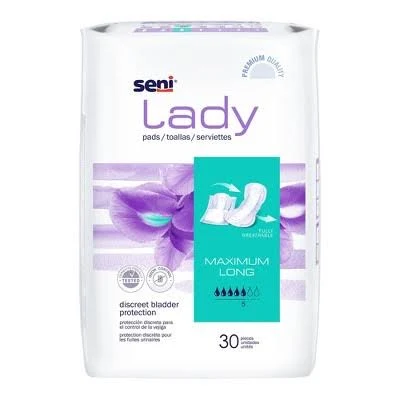
Seni · Incontinence Pads & Protection
SENI Lady Maximum Protection Pads
Waterproof treatment unknown; brand offers no PFAS information.
This pad uses a waterproof backing whose exact composition remains undisclosed. No PFAS claims or lab results are publicly available from the manufacturer.
The better-graded swap
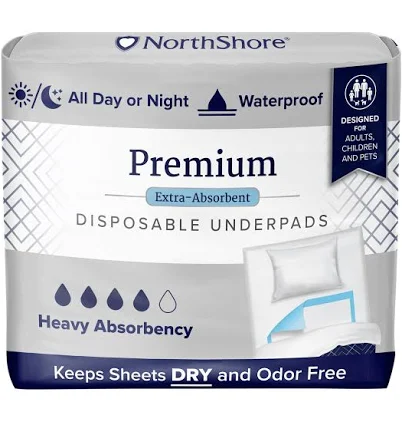
Northshore
NorthShore Premium 36
70/100 safety
Same rubric that flunked this product. The swap earned Good.
Still want this one anyway? Check the price on Amazon. We’d swap it.
Material
absorbent core with waterproof backing layer
Brand disclosure
Brand is silent on PFAS
Lab data
No public lab test
You may also be interested in
Top-graded picks in the categories readers replace first, every one scored on the same rubric.

- polypropylene filter housing, carbon/sediment cartridge
- We found no PFAS statement from the brand
- Bacterial growth in spent cartridges
3 hazards checked on this product, all on its full breakdown.

Aquasure
Premier Series 75 GPD Under Sink Reverse Osmosis Water Filtration System
- RO membrane, carbon filters, stainless steel housing
- We found no PFAS statement from the brand
- Bacterial and microbial growth in housing and filters
4 hazards checked on this product, all on its full breakdown.

Avocado
Vegan Mattress
- organic cotton, natural latex, coconut coir, recycled steel coils
- The brand calls it PFAS-free, which we have not verified
- Heavy metals
2 hazards checked on this product, all on its full breakdown.
What SENI Lady Maximum Protection Pads is made of, ingredients and materials
SENI Lady Maximum pads use a multi-layer construction, absorbent cellulose/SAP core, waterproof backing layer (material unspecified by brand), and topsheet. The waterproof layer is the chemical wild card, manufacturers in this category commonly use either PFAS-treated films or non-fluorinated polyethylene laminates, but SENI does not disclose which. The absorbent core itself (cellulose and superabsorbent polymer) has no hazard of this kind on record when used as designed, but any waterproofing method's composition directly affects skin contact considerations during extended wear.
What’s concerning
Category baseline
The starting point for this type of product, before anything specific to this product is counted.
No PFAS disclosure
No public statement from the brand about PFAS in this product.
Waterproof / stain-resistant treatment
Water-repellent coating treatments have historically used PFAS.
Waterproof backing layer chemical composition (unidentified)
The backing layer's exact composition is not disclosed by SENI. If PFAS-treated, prolonged skin contact could transfer fluorinated compounds; if polyethylene-based, risk is lower but still unconfirmed. Absence of public data prevents independent assessment.
What’s reassuring
Superabsorbent polymer (SAP) integrity and leaching
SAP (typically polyacrylate) is approved for period-care use globally, but degradation over time or if pad is overstretched could release micro-particles. No recalls or adverse reports for SENI's formulation are documented, and this hazard is theoretical rather than established for this brand.
Formaldehyde / VOCs
Period pad topsheets sometimes use formaldehyde-based adhesives to bond layers. SENI does not disclose adhesive chemistry. No known safety incidents reported for this product, but formaldehyde exposure during extended wear could theoretically sensitize or irritate skin in susceptible users.
Source, ATSDR ↗Azo dyes or colorants in topsheet or core
No public evidence that SENI uses problematic azo dyes, but product marketing imagery shows colored topsheets. Azo dyes banned in the EU are not used in established brands, but composition is not independently verified here.
Chlorine bleach residue in cellulose core
Cellulose pulp in absorbent cores is often chlorine-bleached during manufacturing. SENI does not specify bleaching method. Residual chlorine is typically minimal in finished pads and unlikely to cause harm, but hypersensitive or allergic users should be aware of this common manufacturing step.
How is this PFAS grade calculated?
The brand's record and disclosure
SENI (manufacturer, Tzmo, Poland) is a recognized medical-grade incontinence brand with a 20+ year history but maintains minimal public transparency on material sourcing or chemical treatment specifics. No major safety recalls for this product line are on public record. The brand has not issued public statements on PFAS use or avoidance, nor does their website disclose waterproof layer composition or independent safety certifications beyond basic CE marking. This silence is typical of the period-care/incontinence market but limits consumer-driven accountability.
How it compares in its category
Period pad materials vary widely, budget brands rarely disclose waterproof agents; premium eco-brands (e.g., Cora, Rael) explicitly market PFAS-free construction and publish material lists. SENI occupies a mid-market clinical space where product efficacy and absorbency dominate marketing over chemical transparency. Most conventional pads (Kotex, Always, Tampax) also do not publicly detail waterproof backing chemistry, making SENI typical in opacity but not reassuring.
If you buy it
Use pads as directed on the package, changing every 4-6 hours or when saturated to minimize prolonged skin contact with any chemical residue. Store in a cool, dry place away from direct heat or sunlight, which could degrade polymer layers. If you develop unexplained skin irritation, rash, or allergic reaction after switching to this product, discontinue and contact a healthcare provider. Consider requesting material safety data from the manufacturer via their customer service if chemical composition matters to your decision.
What is not known about PFAS in this product?
- Basis
- Model estimate, 45% confidence, not a lab result
- Lab test
- None on record for this exact product
- Brand statement
- Seni has made none
Formulations change between production runs, so check the current label. How we grade.
What are the PFAS-free alternatives to SENI Lady Maximum Protection Pads?
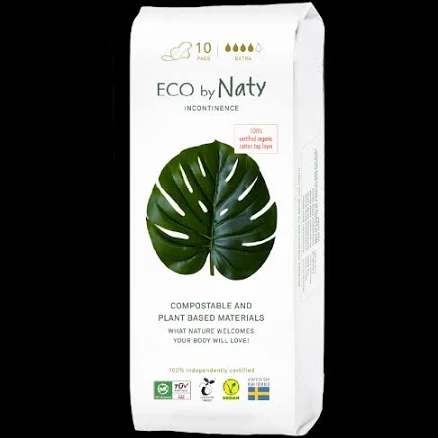
- Bamboo-derived viscose, cotton, plant-based absorbent core
- We found no PFAS statement from the brand
- Heavy metals
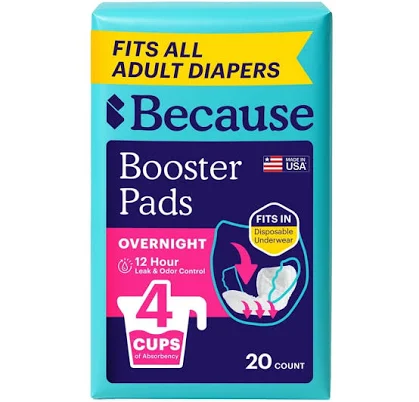
- Cellulose, superabsorbent polymer, cotton blend
- We found no PFAS statement from the brand
- Absorbent material degradation and bacterial growth
2 hazards checked on this product, all on its full breakdown.
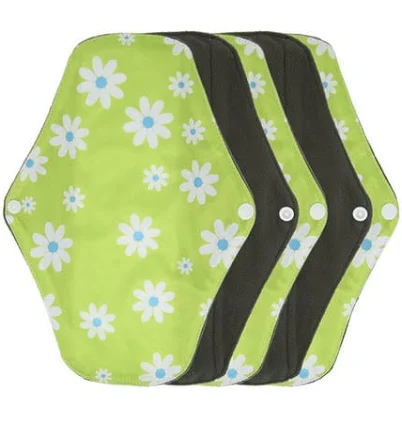
5pcs Bamboo Charcoal Washable Incontinence Pads
- bamboo charcoal textile, washable cotton-blend absorbent layer
- We found no PFAS statement from the brand
- Azo dyes and synthetic colorants
4 hazards checked on this product, all on its full breakdown.
More incontinence pads & protection grades
How we score, every product runs through the same public 0-100 rubric based on materials, coatings, brand disclosure, lab findings, and recalls. See the full methodology → Spotted a mistake? Report an error.