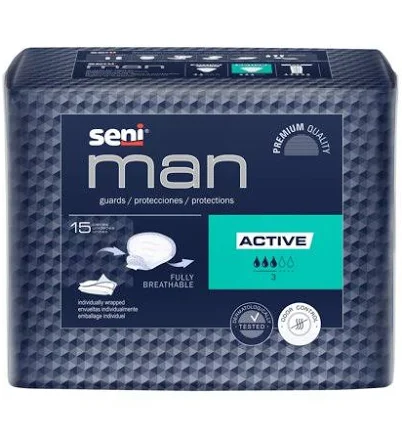
Seni · Incontinence Pads & Protection
Seni Man Active Guards
Waterproof guards with unclear PFAS treatment; avoid if concerned.
These incontinence guards feature a waterproof backing layer likely treated with water-resistant coating. The brand hasn't published PFAS disclosure or test results.
The better-graded swap
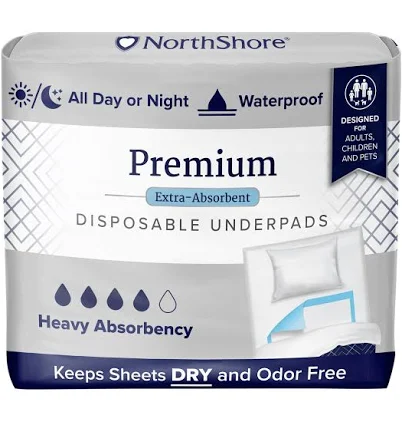
Northshore
NorthShore Premium 36
70/100 safety
Same rubric that flunked this product. The swap earned Good.
Still want this one anyway? Check the price on Amazon. We’d swap it.
Material
Absorbent core with waterproof backing layer
Brand disclosure
Brand is silent on PFAS
Lab data
No public lab test
You may also be interested in
Top-graded picks in the categories readers replace first, every one scored on the same rubric.

- polypropylene filter housing, carbon/sediment cartridge
- We found no PFAS statement from the brand
- Bacterial growth in spent cartridges
3 hazards checked on this product, all on its full breakdown.

Aquasure
Premier Series 75 GPD Under Sink Reverse Osmosis Water Filtration System
- RO membrane, carbon filters, stainless steel housing
- We found no PFAS statement from the brand
- Bacterial and microbial growth in housing and filters
4 hazards checked on this product, all on its full breakdown.

Avocado
Vegan Mattress
- organic cotton, natural latex, coconut coir, recycled steel coils
- The brand calls it PFAS-free, which we have not verified
- Heavy metals
2 hazards checked on this product, all on its full breakdown.
What Seni Man Active Guards is made of, ingredients and materials
Seni Man Active Guards use an absorbent core (typically superabsorbent polymer and cellulose) with a waterproof backing layer to contain liquid. The backing layer chemistry is not publicly detailed by the brand, which is the primary concern, waterproof barriers in incontinence products commonly use either Teflon-type coating-based coatings or fluorochemical water-repellent (water-repellent coating) finishes. The absorbent core itself carries low risk if intact, but the opacity around the backing material prevents full safety assessment.
What’s concerning
Category baseline
The starting point for this type of product, before anything specific to this product is counted.
No PFAS disclosure
No public statement from the brand about PFAS in this product.
Waterproof / stain-resistant treatment
Water-repellent coating treatments have historically used PFAS.
Waterproof backing layer composition (Teflon-type coating or fluorochemical water-repellent coating)
The brand does not disclose whether the waterproof layer uses Teflon-type coating, other Teflon-family coating, or fluorochemical water repellents. This is the primary non-PFAS concern; direct skin contact with degraded coatings is unlikely, but the material identity remains unconfirmed.
Adhesive allergens or skin sensitizers
Incontinence guards use pressure-sensitive adhesives that can trigger contact dermatitis in sensitive individuals. No brand-specific data on Seni Man formulation; reactions are typically mild and resolve upon product discontinuation.
What’s reassuring
Superabsorbent polymer (SAP) integrity and leachables
Medical-grade SAP in incontinence products is well-regulated and documented to have lower concern when encapsulated in the core layer. No specific reports of toxicity from Seni Man products; SAP leaching only occurs if the core is damaged or ingested.
Fragrance or perfume additives
Seni Man Active Guards are marketed as fragrance-free or lightly scented. No documented allergen concerns, but perfuming agents in incontinence products can irritate genital skin in susceptible users.
Heavy metals
Medical-grade cellulose is subject to EN and CE standards that limit heavy metal content. No public reports of cadmium, lead, or arsenic in Seni incontinence products.
Source, FDA ↗How is this PFAS grade calculated?
The brand's record and disclosure
Seni (Paul Hartmann AG, Germany) does not publish detailed material safety disclosures or PFAS-free commitments on this product line. The brand has no documented recalls or major safety controversies in peer literature, but the lack of proactive transparency about fluorochemical use in their waterproof layers is notable. Independent testing data on this specific product is not widely available in public safety databases.
How it compares in its category
Most incontinence guards (Tena, Depend, Always Discreet) face the same opacity problem regarding waterproof backing chemistry. Seni is a reputable medical-supply manufacturer with CE certification, placing it in the middle tier of category transparency. Brands with explicit PFAS-free or plant-oil water-repellent coating claims (fewer in incontinence care) offer marginally higher confidence, though verification is difficult.
If you buy it
Store in a cool, dry place away from direct heat to avoid any potential coating degradation. Use for the intended duration (typically full-day wear); do not reuse or wash them. If skin irritation develops, discontinue and test another brand, as reactions are usually to adhesive or absorbent polymer rather than the backing. If PFAS exposure is a priority concern, contact Seni directly for waterproof-layer composition before purchase, as public data does not resolve this question.
What is not known about PFAS in this product?
- Basis
- Model estimate, 45% confidence, not a lab result
- Lab test
- None on record for this exact product
- Brand statement
- Seni has made none
Formulations change between production runs, so check the current label. How we grade.
What are the PFAS-free alternatives to Seni Man Active Guards?
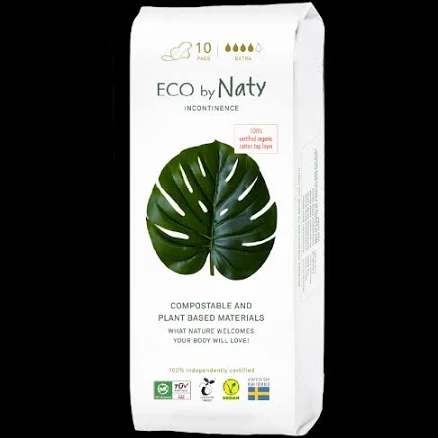
- Bamboo-derived viscose, cotton, plant-based absorbent core
- We found no PFAS statement from the brand
- Heavy metals
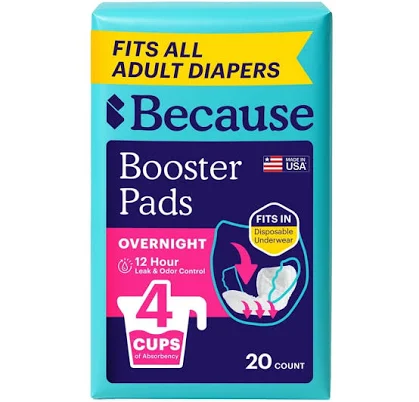
- Cellulose, superabsorbent polymer, cotton blend
- We found no PFAS statement from the brand
- Absorbent material degradation and bacterial growth
2 hazards checked on this product, all on its full breakdown.
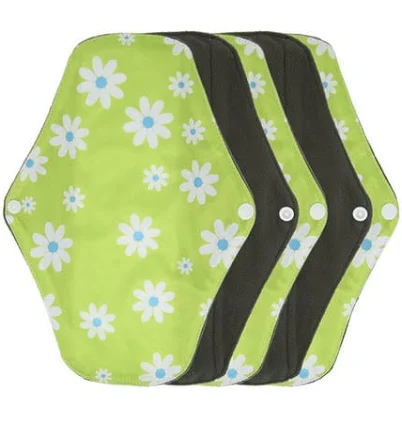
5pcs Bamboo Charcoal Washable Incontinence Pads
- bamboo charcoal textile, washable cotton-blend absorbent layer
- We found no PFAS statement from the brand
- Azo dyes and synthetic colorants
4 hazards checked on this product, all on its full breakdown.
More incontinence pads & protection grades
How we score, every product runs through the same public 0-100 rubric based on materials, coatings, brand disclosure, lab findings, and recalls. See the full methodology → Spotted a mistake? Report an error.