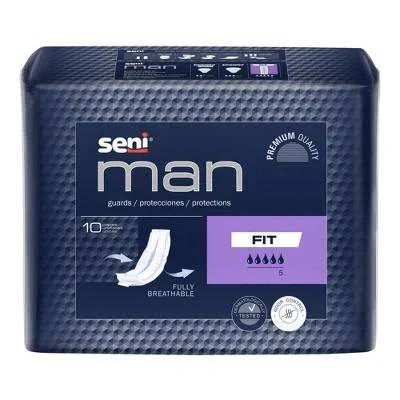
Seni · Incontinence Pads & Protection
Seni Man Fit Guards
Waterproof backing raises PFAS concern; no brand transparency available.
This incontinence guard likely uses a waterproof treatment in its backing layer. The brand hasn't disclosed PFAS information or offered any certification.
The better-graded swap
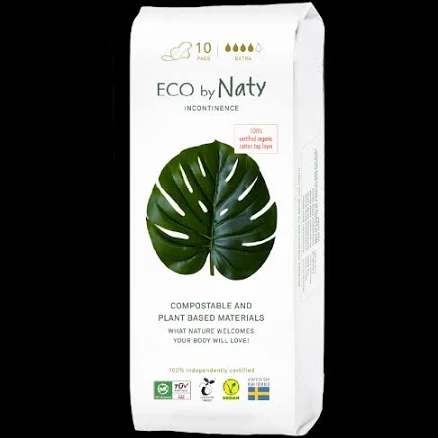
Eco By Naty
Eco by Naty Incontinence Pads
70/100 safety
Same rubric that flunked this product. The swap earned Good.
Still want this one anyway? Check the price on Amazon. We’d swap it.
Material
Nonwoven, absorbent core with waterproof backing layer
Brand disclosure
Brand is silent on PFAS
Lab data
No public lab test
You may also be interested in
Top-graded picks in the categories readers replace first, every one scored on the same rubric.

- polypropylene filter housing, carbon/sediment cartridge
- We found no PFAS statement from the brand
- Bacterial growth in spent cartridges
3 hazards checked on this product, all on its full breakdown.

Aquasure
Premier Series 75 GPD Under Sink Reverse Osmosis Water Filtration System
- RO membrane, carbon filters, stainless steel housing
- We found no PFAS statement from the brand
- Bacterial and microbial growth in housing and filters
4 hazards checked on this product, all on its full breakdown.

Avocado
Vegan Mattress
- organic cotton, natural latex, coconut coir, recycled steel coils
- The brand calls it PFAS-free, which we have not verified
- Heavy metals
2 hazards checked on this product, all on its full breakdown.
What Seni Man Fit Guards is made of, ingredients and materials
Seni Man Fit Guards use a nonwoven absorbent core (typically wood pulp and superabsorbent polymers) with a waterproof backing layer to contain moisture. The backing layer in incontinence products typically contains polyethylene or polypropylene film; polyurethane films are also used for breathability. Nonwoven materials themselves pose minimal chemical leaching risk during normal skin contact, but the waterproof layer is the primary concern for PFAS and other synthetic compounds used to achieve water resistance.
What’s concerning
Category baseline
The starting point for this type of product, before anything specific to this product is counted.
No PFAS disclosure
No public statement from the brand about PFAS in this product.
Waterproof / stain-resistant treatment
Water-repellent coating treatments have historically used PFAS.
PFAS
Seni does not disclose waterproof backing composition. Fluorinated compounds (Teflon-type coating, other PFAS) are common in incontinence product backings to achieve water resistance; migration to skin or urine during extended contact is possible but not quantified for this brand.
Source, ATSDR ↗Microplastics
Nonwoven materials can shed fibers during use, especially if rubbed or stretched. Extent and health impact from brief skin contact remain unstudied; disposal in wastewater poses environmental microplastics risk regardless.
Source, EPA ↗Lack of third-party material verification
Seni provides no public certifications (Oeko-Tex, GOTS, similar) or independent testing of this product for heavy metals, dyes, or restricted chemicals. This is typical for mainstream incontinence products but limits consumer assurance.
What’s reassuring
Skin irritation from absorbent polymers or additives
No recalls or widespread complaints specific to Seni Man Fit Guards; superabsorbent polymers in nonwoven cores are stabilized and generally inert. Risk is primarily maceration from prolonged moisture retention, not chemical irritation, managed by timely replacement.
Sensitizers or adhesives in fastening components
Seni Man Fit Guards use elastic waistbands and adhesive tabs; no specific allergen warnings or recalls on record. Standard medical-grade adhesives are typically acrylate-based and low-sensitization risk for brief contact.
How is this PFAS grade calculated?
The brand's record and disclosure
Seni (part of Essity/SCA group) does not publicly disclose PFAS use or testing results for this product line, and no independent safety recalls specific to this model are on record. The brand has not published materials declarations or third-party certifications (e.g., Oeko-Tex) that would verify absence of priority chemicals. Industry-wide, most major incontinence brands remain silent on PFAS in waterproof backings, making Seni typical but not exceptional in transparency.
How it compares in its category
Seni Man Fit Guards are a mainstream absorbent incontinence product; similar competitors (Tena, Depend, Abena) use comparable nonwoven-plus-plastic-backing construction and face identical PFAS disclosure gaps. Products explicitly certified PFAS-free or using non-fluorinated waterproof technologies (e.g., polyurethane without Teflon-type coating analogs) remain niche and harder to source. This product sits in the standard-risk category for the incontinence market, not notably better or worse than leading alternatives.
If you buy it
Store in a cool, dry place away from heat sources; heat exposure will not degrade the nonwoven core but may stress polymer bonds in the backing. Replace guards after each use or when fully saturated to prevent skin maceration and odor. Monitor skin contact area for irritation, especially if worn for extended periods; wash and dry skin regularly. Do not reuse or wash guards; they are designed for single-use disposal only.
What is not known about PFAS in this product?
- Basis
- Model estimate, 45% confidence, not a lab result
- Lab test
- None on record for this exact product
- Brand statement
- Seni has made none
Formulations change between production runs, so check the current label. How we grade.
What are the PFAS-free alternatives to Seni Man Fit Guards?
- Bamboo-derived viscose, cotton, plant-based absorbent core
- We found no PFAS statement from the brand
- Heavy metals
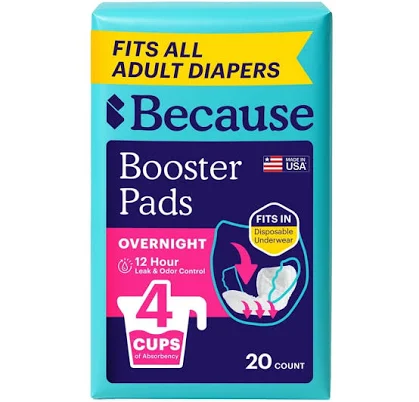
- Cellulose, superabsorbent polymer, cotton blend
- We found no PFAS statement from the brand
- Absorbent material degradation and bacterial growth
2 hazards checked on this product, all on its full breakdown.
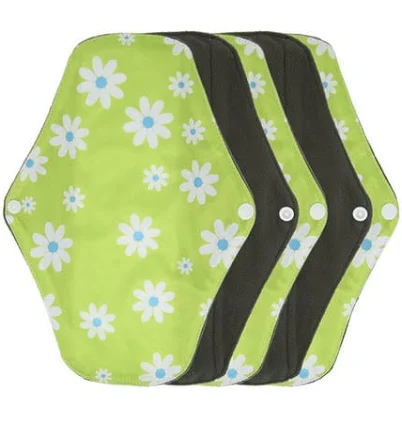
5pcs Bamboo Charcoal Washable Incontinence Pads
- bamboo charcoal textile, washable cotton-blend absorbent layer
- We found no PFAS statement from the brand
- Azo dyes and synthetic colorants
4 hazards checked on this product, all on its full breakdown.
More incontinence pads & protection grades
How we score, every product runs through the same public 0-100 rubric based on materials, coatings, brand disclosure, lab findings, and recalls. See the full methodology → Spotted a mistake? Report an error.