Serenity · Incontinence Pads & Protection
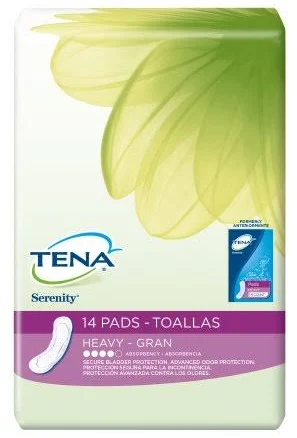
TENA Serenity Bladder Control Pads
Incontinence pad with opaque waterproof layer; PFAS risk unclear without disclosure.
TENA Serenity uses nonwoven fibers with waterproof backing but won't disclose what's in the coating. Waterproof incontinence products often use treatments that may contain PFAS, though confirmation is unavailable.
The better-graded swap
Tranquility
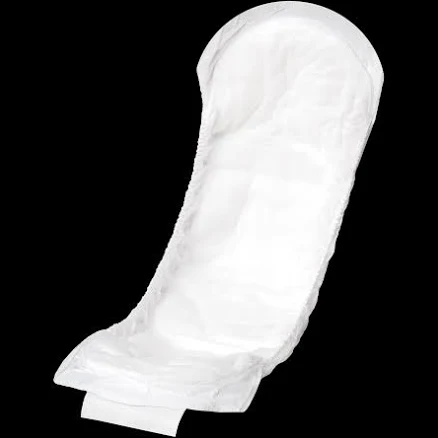
Tranquility Personal Care Pads
70/100 safety
Same rubric that flunked this product. The swap earned Good.
Still want this one anyway? Check the price on Amazon. We’d swap it.
Material
Nonwoven fiber blend with unspecified waterproof/absorbent coating
Brand disclosure
Brand is silent on PFAS
Lab data
No public lab test
You may also be interested in
Top-graded picks in the categories readers replace first, every one scored on the same rubric.

Aqua Pure
3M Aqua-Pure AP802B Whole House Filter Housing
- polypropylene filter housing, carbon/sediment cartridge
- We found no PFAS statement from the brand
- Bacterial growth in spent cartridges
3 hazards checked on this product. See all of them.

Aquasure
Premier Series 75 GPD Under Sink Reverse Osmosis Water Filtration System
- RO membrane, carbon filters, stainless steel housing
- We found no PFAS statement from the brand
- Bacterial and microbial growth in housing and filters
4 hazards checked on this product. See all of them.

Avocado
Vegan Mattress
- organic cotton, natural latex, coconut coir, recycled steel coils
- The brand calls it PFAS-free, which we have not verified
- Heavy metals
2 hazards checked on this product. See all of them.
What TENA Serenity Bladder Control Pads is made of, ingredients and materials
TENA Serenity pads use a nonwoven fiber blend (typically wood pulp and synthetic fibers like polypropylene) with an unspecified waterproof backing layer. The backing is almost certainly a plastic-based or plastic-coated material designed to prevent leakage, but the exact composition and any fluorinated compounds (PFAS) are not publicly disclosed by the manufacturer. This opacity is significant because waterproof layers in absorbent hygiene products are a known potential source of PFAS, which are used to repel moisture and oils. Without ingredient transparency, the actual chemical risk profile cannot be fully assessed.
What’s concerning
Category baseline
The starting point for this type of product, before anything specific to this product is counted.
No PFAS disclosure
No public statement from the brand about PFAS in this product.
Waterproof / stain-resistant treatment
Water-repellent coating treatments have historically used PFAS.
PFAS
Waterproof backing layers in absorbent hygiene products are a known application site for PFAS (fluorinated polymers); Serenity's coating chemistry is undisclosed, so PFAS presence or absence cannot be confirmed. This is the primary chemical uncertainty for this product.
Source, ATSDR ↗Microplastics
Nonwoven synthetic fibers and plastic coatings can fragment over time or during use, potentially releasing microplastics. The extent and environmental/health significance of microplastic migration from incontinence pads is not well quantified in literature, making this a speculative but plausible concern.
Source, EPA ↗Leachables from unidentified coating materials
The waterproof coating is not chemically specified. Depending on whether it is a Teflon-family coating, polyurethane, or other plastic, it may leach additives (plasticizers, antioxidants, slip agents) under skin contact or moisture exposure; risk level cannot be determined without composition disclosure.
What’s reassuring
Skin sensitizers and irritants in adhesives or components
No specific allergens or irritant additives have been publicly reported in Serenity pads. However, nonwoven blends may contain low levels of residual monomers or plasticizers (e.g., from polypropylene) that can cause mild contact dermatitis in sensitive individuals; this is a category-wide concern, not unique to this brand.
Formaldehyde / VOCs
Some nonwoven textiles use formaldehyde-based resins for durability; no formaldehyde contamination has been reported in Serenity products. However, this is a category-level risk that should be checked with the manufacturer on request.
Source, ATSDR ↗The full breakdown
The brand's record and disclosure
Serenity (owned by Essity, a major hygiene manufacturer) does not publicly disclose the chemical composition of its waterproof coatings or confirm PFAS absence. The brand has no prominent certifications (such as GOTS or Cradle to Cradle) that would signal rigorous chemical screening. No major product recalls or toxicant controversies are on record for this specific product line. However, the silence on waterproof-layer chemistry is a notable gap compared to some competitors who have begun voluntarily testing or stating PFAS-free claims.
How it compares in its category
Incontinence pads occupy a larger market segment than menstrual pads and are less scrutinized for chemical content. Serenity is a mainstream, widely available brand with standard absorbency and leak protection. Some newer or direct-to-consumer competitors (e.g., Aeroflow, Poise) have begun publishing PFAS test results or chemical statements; traditional brands like Depend and Serenity have not yet done so. In terms of material innovation, this product does not appear to use notably advanced or alternative waterproofing technologies that would reduce chemical uncertainty.
If you buy it
Store pads in a cool, dry place away from direct heat or sunlight to avoid polymer degradation. Change pads regularly (according to absorbency needs and skin health) to minimize prolonged skin contact with the waterproof layer. Do not flush pads; dispose of them in household waste as directed. If skin irritation develops, discontinue use and consider testing for contact sensitivity. Consider requesting a PFAS disclosure statement from the manufacturer; consumer demand can accelerate transparency.
What we don’t know
- Basis
- Model estimate, 45% confidence, not a lab result
- Lab test
- None on record for this exact product
- Brand statement
- Serenity has made none
Formulations change between production runs, so check the current label. How we grade.
Better-graded alternatives in Incontinence Pads & Protection
Eco By Naty
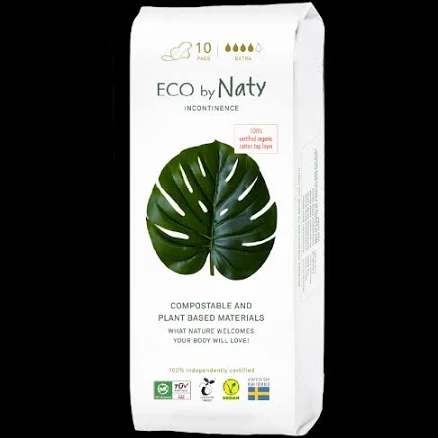
Incontinence Pads
- Bamboo-derived viscose, cotton, plant-based absorbent core
- We found no PFAS statement from the brand
- Heavy metals
Because Market
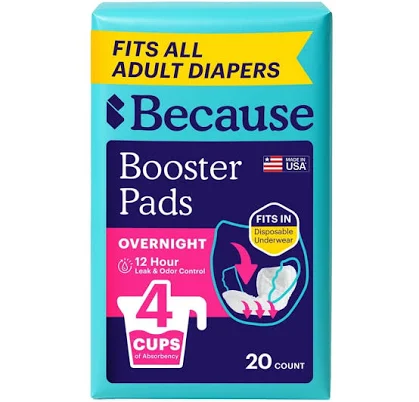
Because Booster Pads
- Cellulose, superabsorbent polymer, cotton blend
- We found no PFAS statement from the brand
- Absorbent material degradation and bacterial growth
2 hazards checked on this product. See all of them.
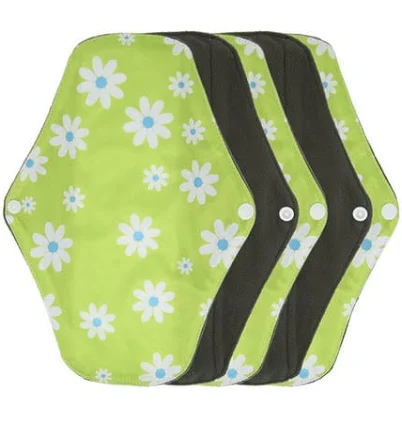
5pcs Bamboo Charcoal Washable Incontinence Pads
- bamboo charcoal textile, washable cotton-blend absorbent layer
- We found no PFAS statement from the brand
- Azo dyes and synthetic colorants
4 hazards checked on this product. See all of them.
More incontinence pads & protection grades
How we score, every product runs through the same public 0-100 rubric based on materials, coatings, brand disclosure, lab findings, and recalls. See the full methodology → Spotted a mistake? Report an error.