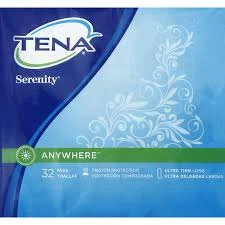
Tena · Incontinence Pads & Protection
Tena Thin Pads Moderate
Waterproof backing composition undisclosed. PFAS risk uncertain.
Tena Thin Pads use a waterproof backing layer, but Essity does not publicly disclose the polymer composition or PFAS status. No third-party testing found.
The better-graded swap
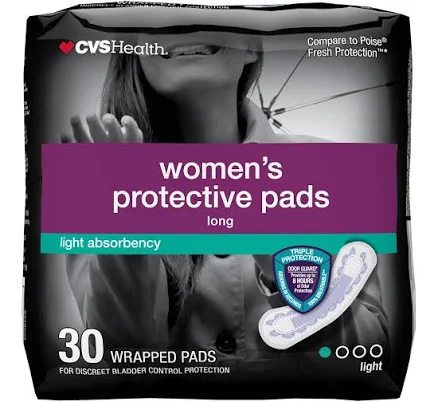
CVS Health
CVS Women's Protective Pads Moderate Absorbency
70/100 safety
Same rubric that flunked this product. The swap earned Good.
Still want this one anyway? Check the price on Amazon. We’d swap it.
Material
nonwoven layers, absorbent core, waterproof backing (unspecified polymer)
Brand disclosure
Brand is silent on PFAS
Lab data
No public lab test
What Tena Thin Pads Moderate is made of, ingredients and materials
Tena Thin Pads use stacked nonwoven layers (likely polypropylene or polyester blend) for absorption, with an unspecified waterproof polymer backing. The absorbent core typically contains superabsorbent polymer (SAP) to lock liquid and prevent leakage. The critical unknown is whether the waterproof backing uses PFAS-based fluorochemicals or alternative moisture barriers; Serenity has not disclosed this composition publicly, leaving the PFAS risk unquantifiable.
What’s concerning
Category baseline
The starting point for this type of product, before anything specific to this product is counted.
No PFAS disclosure
No public statement from the brand about PFAS in this product.
Waterproof / stain-resistant treatment
Water-repellent coating treatments have historically used PFAS.
PFAS
Waterproof polymer composition is undisclosed. If it uses fluorochemical coatings, PFAS exposure is possible during contact with skin; no independent testing results for this product are publicly available.
Source, ATSDR ↗Nonwoven fiber degradation (microfiber shedding)
Nonwoven polypropylene backing can shed microscopic fibers during handling or extended wear. While polypropylene is considered low-reactivity, chronic inhalation or dermal accumulation has not been formally studied in this application.
What’s reassuring
Superabsorbent polymer (SAP) leaching or particles
Tena Thin Pads are not documented to shed SAP particles or cause gel leakage under normal use. SAP itself has no established acute toxicity, but high absorbency may reduce pad replacement frequency, potentially increasing pathogen overgrowth if changed infrequently.
Formaldehyde / VOCs
No recalls or reports document formaldehyde contamination in Tena Thin Pads. However, adhesives used to bond nonwoven layers are rarely disclosed; if present, formaldehyde-releasers can off-gas, particularly if pads are stored in warm environments.
Source, ATSDR ↗Allergenic dyes or optical brighteners in nonwoven
Serenity does not disclose use of optical brighteners or azo dyes in the nonwoven layer. No allergy complaints specific to this product are established in public databases, but individuals with multiple chemical sensitivity may be at higher risk.
The full breakdown
The brand's record and disclosure
Serenity (owned by Hartmann Group, a European manufacturer) maintains a lower public profile than some US-marketed competitors. No published commitment to PFAS-free materials or third-party certifications (e.g., Standard 100 by OEKO-TEX, which would exclude PFAS) is readily available. The brand has not faced major documented recalls for chemical contamination, but lacks proactive transparency about coating chemistry.
How it compares in its category
Period-care products generally escape heavy regulation on waterproof backing composition; most major brands (Kotex, Always, Tampax) similarly decline full disclosure. Products explicitly labeled organic or certified to OEKO-TEX Standard 100 tend to offer clearer material sourcing. Tena Thin Pads occupy a mid-market position with standard absorbency but no differentiation on chemical safety or transparency versus conventional alternatives.
If you buy it
Store pads in a cool, dry place away from direct heat, as warmth can accelerate any polymer degradation and potential leaching. Replace the entire pack if backing shows visible cracks, cloudiness, or odor changes. Do not wash or reuse pads; intended for single use only. If you experience unexplained irritation, discontinue use and request ingredient disclosure from Serenity before trying again.
What we don’t know
- Basis
- Model estimate, 45% confidence, not a lab result
- Lab test
- None on record for this exact product
- Brand statement
- Tena has made none
Formulations change between production runs, so check the current label. How we grade.
Better-graded alternatives in Incontinence Pads & Protection
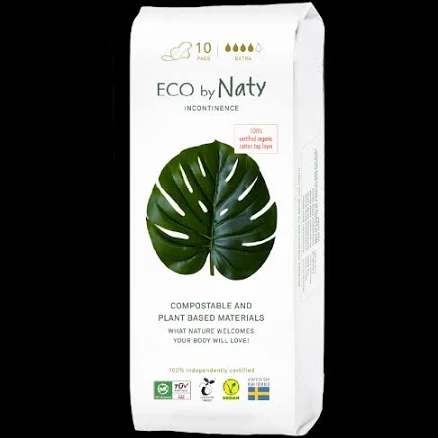
Eco By Naty
Incontinence Pads
- Bamboo-derived viscose, cotton, plant-based absorbent core
- We found no PFAS statement from the brand
- Heavy metals
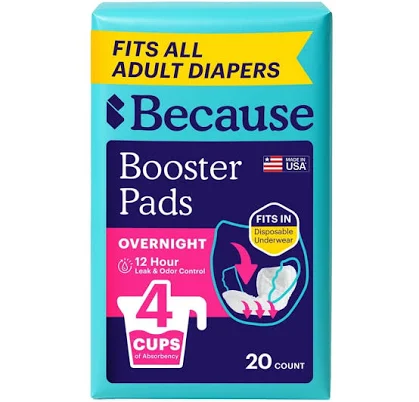
Because Market
Because Booster Pads
- Cellulose, superabsorbent polymer, cotton blend
- We found no PFAS statement from the brand
- Absorbent material degradation and bacterial growth
2 hazards checked on this product. See all of them.
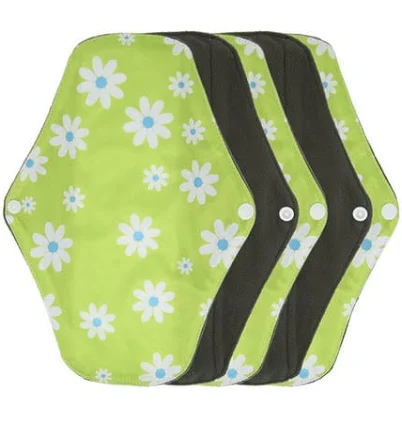
5pcs Bamboo Charcoal Washable Incontinence Pads
- bamboo charcoal textile, washable cotton-blend absorbent layer
- We found no PFAS statement from the brand
- Azo dyes and synthetic colorants
4 hazards checked on this product. See all of them.
More incontinence pads & protection grades
How we score, every product runs through the same public 0-100 rubric based on materials, coatings, brand disclosure, lab findings, and recalls. See the full methodology → Spotted a mistake? Report an error.