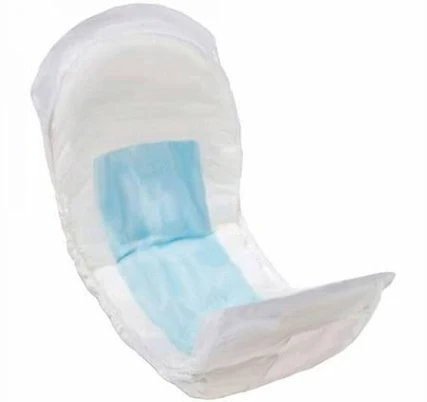
Surecare · Incontinence Pads & Protection
Sure Care Bladder Control Pad
Skip until manufacturer discloses waterproof backing composition; bladder control pads commonly use water-repellent coating-treated materials with PFAS.
Sure Care does not publicly disclose the chemical composition of its waterproof backing layer, a common source of PFAS in incontinence products. Absorbent pads with water-resistant layers frequently rely on fluorinated treatments.
The better-graded swap
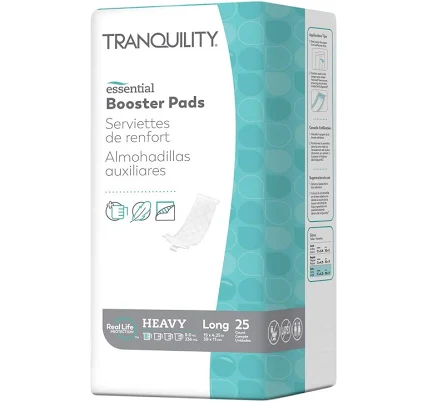
Tranquility
Tranquility Essential Booster Pads Heavy Absorbency, Long - 4-1/4 x 15 Inch (Case of 200)
70/100 safety
Same rubric that flunked this product. The swap earned Good.
Still want this one anyway? Check the price on Amazon. We’d swap it.
Material
Absorbent core with polymer gel; waterproof backing (composition unspecified)
Brand disclosure
Brand is silent on PFAS
Lab data
No public lab test
What Sure Care Bladder Control Pad is made of, ingredients and materials
Sure Care Bladder Control Pads use an absorbent core (likely superabsorbent polymer or SAP mixed with cellulose) and a waterproof backing of unspecified composition. The backing is critical because it prevents leakage but often relies on water-repellent coatings to function; these coatings in the incontinence pad category are historically treated with PFAS compounds to achieve durability and liquid barrier properties. Without transparency on backing materials, the chemical profile remains opaque. Prolonged skin contact with the pad materials is a key exposure route given the intended use on sensitive areas.
What’s concerning
Category baseline
The starting point for this type of product, before anything specific to this product is counted.
No PFAS disclosure
No public statement from the brand about PFAS in this product.
Waterproof / stain-resistant treatment
Water-repellent coating treatments have historically used PFAS.
PFAS
Sure Care does not disclose waterproof backing composition. Incontinence pads commonly rely on PFAS-based water-repellent coating coatings for water repellency; Surecare's silence and the product's budget positioning suggest elevated risk.
Source, ATSDR ↗Skin irritation and maceration from prolonged moisture contact
Incontinence pads inherently trap moisture against skin. If changed infrequently or if the pad's absorbent core degrades, maceration and secondary bacterial or fungal infection risk increase; this is a use-related hazard, not a chemical one, but relevant to proper use.
Fragrance allergens and fragrance-related contact dermatitis
Many incontinence pads include fragrance agents to mask odor. Sure Care's materials disclosure does not address fragrance ingredients; individuals with fragrance sensitivity may experience irritation or dermatitis with prolonged wear.
Adhesive residues on skin
If the product includes adhesive strips or tape for securing the pad, adhesive residues may remain on skin after removal. No information on adhesive chemistry is available for Sure Care; acrylic-based adhesives are standard but can cause irritation or sensitization in some users.
Microplastics
If the superabsorbent polymer core degrades due to moisture saturation or age, fine plastic particles may shed into urine or contact skin. This is a minor but real concern for products worn for extended periods; no specific data on Sure Care core stability is on record.
Source, EPA ↗The full breakdown
The brand's record and disclosure
Surecare has not publicly disclosed the chemical composition of the waterproof backing or confirmed absence of PFAS, flame retardants, or other treatment chemicals. No third-party certifications (such as Oeko-Tex, dermatological approval, or PFAS-free claims) are on record for this product line. The brand's silence on backing materials is a significant red flag in a category where PFAS use is common and regulatory pressure is mounting. No major recalls or adverse event patterns specific to Sure Care incontinence pads have been established in public databases, but absence of disclosure does not equal safety assurance.
How it compares in its category
Incontinence pads as a category are among the highest-risk products for PFAS exposure because waterproof backing demands high-performance water-repellent coatings. Competitors like Depend and Tena have faced similar scrutiny but a few brands (notably some European manufacturers) have begun disclosing fluorine-free backing options. Sure Care offers no such transparency, placing it in the middle-to-lower tier of category accountability. Price positioning suggests this is a value product, which often correlates with less rigorous chemical management than premium alternatives.
If you buy it
Change pads frequently (every 3-4 hours or when visibly soaked) to minimize skin maceration and chemical contact duration. Do not expose pads to heat sources or prolonged moisture in storage, as this may accelerate degradation and leachate release. Inspect the pad surface for tears or delamination before use; discard if the waterproof backing is compromised. Consider patch testing on a small area of skin if you have sensitive skin or known fragrance sensitivities, as absorbent products sometimes contain fragrance additives.
What we don’t know
- Basis
- Model estimate, 45% confidence, not a lab result
- Lab test
- None on record for this exact product
- Brand statement
- Surecare has made none
Formulations change between production runs, so check the current label. How we grade.
Better-graded alternatives in Incontinence Pads & Protection
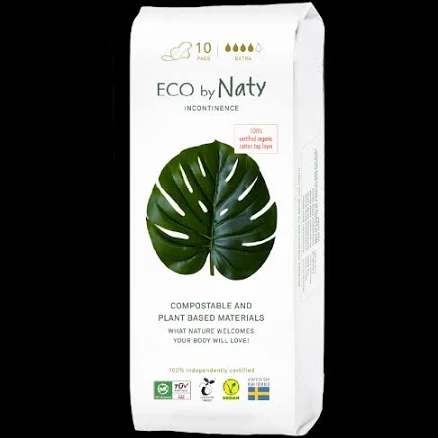
Eco By Naty
Incontinence Pads
- Bamboo-derived viscose, cotton, plant-based absorbent core
- We found no PFAS statement from the brand
- Heavy metals
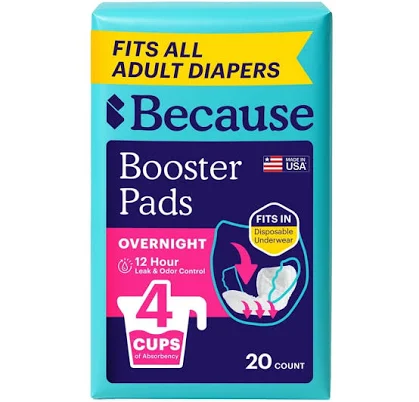
Because Market
Because Booster Pads
- Cellulose, superabsorbent polymer, cotton blend
- We found no PFAS statement from the brand
- Absorbent material degradation and bacterial growth
2 hazards checked on this product. See all of them.
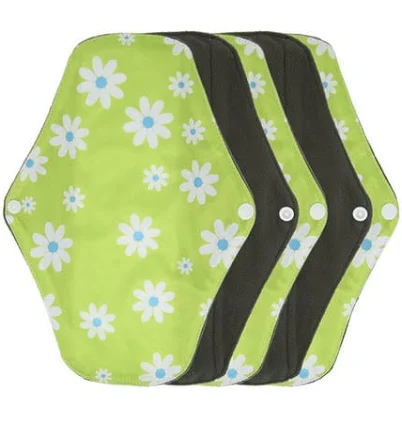
5pcs Bamboo Charcoal Washable Incontinence Pads
- bamboo charcoal textile, washable cotton-blend absorbent layer
- We found no PFAS statement from the brand
- Azo dyes and synthetic colorants
4 hazards checked on this product. See all of them.
More incontinence pads & protection grades
How we score, every product runs through the same public 0-100 rubric based on materials, coatings, brand disclosure, lab findings, and recalls. See the full methodology → Spotted a mistake? Report an error.