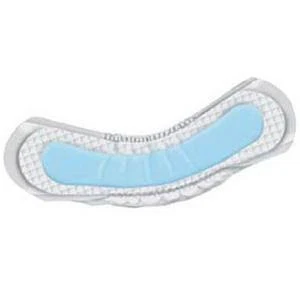
Surecare · Incontinence Pads & Protection
SureCare Sure Care Bladder Control Pads Unisex Heavy Absorbency
Skip until SureCare discloses waterproof coating composition or provides third-party testing.
Bladder control pads require waterproof backing to function, a common application for PFAS-based water-resistant treatments. SureCare provides no public disclosure about the barrier layer's chemical makeup or PFAS testing.
The better-graded swap
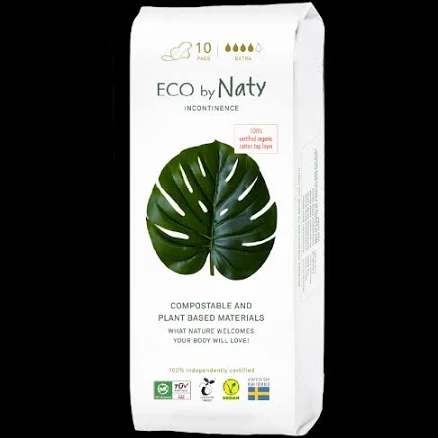
Eco By Naty
Eco by Naty Incontinence Pads
70/100 safety
Same rubric that flunked this product. The swap earned Good.
Still want this one anyway? Check the price on Amazon. We’d swap it.
Material
Absorbent core with unspecified waterproof barrier layer
Brand disclosure
Brand is silent on PFAS
Lab data
No public lab test
What SureCare Sure Care Bladder Control Pads is made of, ingredients and materials
SureCare pads use a cellulose-based absorbent core (typical for the category) with an unspecified synthetic waterproof barrier layer. The barrier composition is critical because waterproofing in incontinence products historically relied on plastic films or coatings that may contain PFAS (fluorinated compounds) or other leachables. Without SureCare's disclosure of the specific polymer or coating chemistry, the safety profile of skin contact over extended wear periods remains unclear. The unisex design suggests a standard construction without specialized gender-specific barrier modifications.
What’s concerning
Category baseline
The starting point for this type of product, before anything specific to this product is counted.
No PFAS disclosure
No public statement from the brand about PFAS in this product.
Waterproof / stain-resistant treatment
Water-repellent coating treatments have historically used PFAS.
PFAS
Unspecified barrier layer composition means potential contact chemicals (plasticizers, flame retardants, colorants) are unknown. Prolonged skin contact during 4-8+ hour wear creates cumulative exposure risk that SureCare has not publicly characterized or mitigated.
Source, ATSDR ↗Microplastic shedding from degraded polymer barrier
Extended wear and repeated stretching can fragment synthetic waterproof layers. Microfragments contacting skin or entering the urethra during use represent an unmeasured exposure that SureCare has not evaluated or disclosed limits for.
What’s reassuring
Skin sensitization from adhesives and fastening materials
No recalls or complaints specific to SureCare adhesives are documented, but incontinence pad adhesives (acrylates, rubber-based) are common irritants. Individual sensitivity varies; users with pre-existing dermatitis face higher risk with any brand lacking hypoallergenic certification.
Fragrance and added scent chemicals
SureCare does not list fragrance claims on standard packaging, suggesting unscented or minimal fragrance. If fragrance is present, SureCare does not disclose specific allergens (e.g., limonene, linalool) that can provoke contact dermatitis in sensitive populations.
Heavy metals
No known issues reported for SureCare or competitors' cellulose cores. Agricultural sourcing and bleaching processes carry theoretical low-level contamination risk, but this is not specific to SureCare and is not independently tested for any brand in this category.
Source, FDA ↗The full breakdown
The brand's record and disclosure
SureCare has published no publicly available safety data sheets, material composition disclosures, or third-party testing results for this product line. The brand has not issued statements addressing PFAS use or committed to fluorine-free alternatives, contrasting with competitors (e.g., some Kotex and Always lines) that have begun publishing material claims. No recalls or regulatory actions specific to SureCare incontinence pads are on record, but the absence of transparency rather than absence of problems makes independent risk assessment difficult. The silent stance on PFAS and barrier chemistry suggests either lack of testing or unwillingness to disclose results.
How it compares in its category
Most mainstream incontinence pad brands (Depend, Tena, Kotex) use similar cellulose-polymer core designs but vary widely in barrier disclosure. SureCare's lack of any published composition data puts it at the lower end of transparency; competitors at least claim absorbent materials or post ingredient lists. Heavy-absorbency pads across brands carry higher PFAS risk than light or moderate versions because they require thicker, more complex waterproofing. For unisex products, SureCare's offering is structurally typical but offers fewer reassurances about what touches the skin than premium or eco-certified alternatives.
If you buy it
Change pads every 4-6 hours or when fully saturated to minimize prolonged skin contact with any leachables in the barrier layer. Avoid exposing pads to heat (e.g., leaving in hot cars or near heating vents) because polymer coatings can degrade and release additives more readily. Inspect each pad for visible tears, delamination, or odor that might indicate barrier failure. If skin irritation, rash, or unusual odor develops, discontinue use and switch to a brand with published material safety data; incontinence itself is not a reason to accept unknown chemical exposure.
What we don’t know
- Basis
- Model estimate, 45% confidence, not a lab result
- Lab test
- None on record for this exact product
- Brand statement
- Surecare has made none
Formulations change between production runs, so check the current label. How we grade.
Better-graded alternatives in Incontinence Pads & Protection
Eco By Naty
Incontinence Pads
- Bamboo-derived viscose, cotton, plant-based absorbent core
- We found no PFAS statement from the brand
- Heavy metals
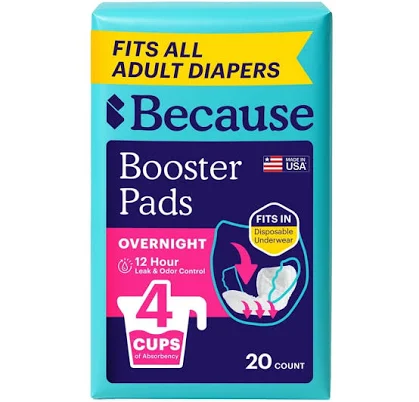
Because Market
Because Booster Pads
- Cellulose, superabsorbent polymer, cotton blend
- We found no PFAS statement from the brand
- Absorbent material degradation and bacterial growth
2 hazards checked on this product. See all of them.
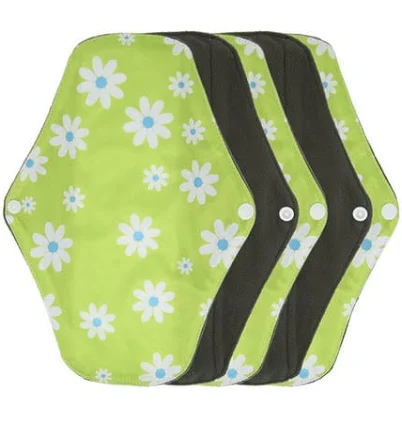
5pcs Bamboo Charcoal Washable Incontinence Pads
- bamboo charcoal textile, washable cotton-blend absorbent layer
- We found no PFAS statement from the brand
- Azo dyes and synthetic colorants
4 hazards checked on this product. See all of them.
More incontinence pads & protection grades
How we score, every product runs through the same public 0-100 rubric based on materials, coatings, brand disclosure, lab findings, and recalls. See the full methodology → Spotted a mistake? Report an error.