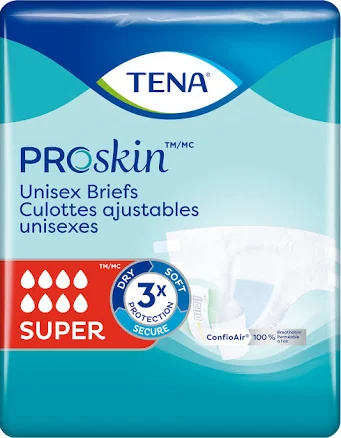
Tena · Incontinence Pads & Protection
TENA Incontinence
Waterproof incontinence products often use PFAS. Tena discloses nothing.
Incontinence pads need waterproof barriers, frequently treated with PFAS-based coatings. Tena provides no public disclosure of materials or PFAS-free claims, limiting how confident you can be about actual risk.
The better-graded swap
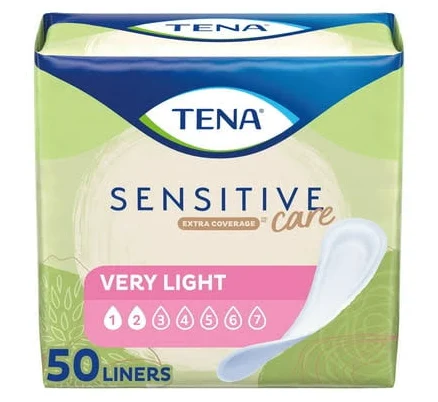
Tena
TENA Very Light
70/100 safety
Same rubric that flunked this product. The swap earned Good.
Still want this one anyway? Check the price on Amazon. We’d swap it.
Material
absorbent core, polymer backsheet with unspecified waterproof coating
Brand disclosure
Brand is silent on PFAS
Lab data
No public lab test
What TENA Incontinence is made of, ingredients and materials
TENA incontinence products use a multi-layer construction, a moisture-permeable topsheet (typically nonwoven polypropylene), an absorbent core of superabsorbent polymers (SAP) and cellulose fiber, and a waterproof polymer backsheet with an unspecified coating to prevent leakage. The backsheet coating is the critical component; waterproof incontinence products frequently rely on fluorinated compounds (PFAS) or alternative hydrophobic polymers to achieve fluid barrier properties. TENA does not publicly disclose the chemical composition of this coating, making independent assessment impossible.
What’s concerning
Category baseline
The starting point for this type of product, before anything specific to this product is counted.
No PFAS disclosure
No public statement from the brand about PFAS in this product.
Waterproof / stain-resistant treatment
Water-repellent coating treatments have historically used PFAS.
PFAS
Waterproof incontinence products commonly use fluorinated polymers or PFAS-containing topcoats for liquid barrier function. TENA's backsheet coating chemistry is undisclosed; no test data in public domain. Risk is primarily dermal contact over extended wear; systemic absorption through intact skin is low but cumulative exposure over years of use is not quantified.
Source, ATSDR ↗Adhesive/acrylate sensitization
Incontinence briefs and pads use acrylate-based adhesives to secure elastic and closure systems. Prolonged skin contact can trigger contact dermatitis in sensitive individuals. TENA does not publish adhesive composition; risk is low for most users but individual sensitivity is unpredictable.
Fragrance and skin sensitizers
TENA offers both scented and unscented variants. Fragrance compounds can trigger allergic contact dermatitis, particularly in incontinent individuals who may experience compromised skin barrier. TENA does not list fragrance constituents; unscented variants reduce this risk.
What’s reassuring
Superabsorbent polymer (SAP) leachables
Sodium polyacrylate and other SAPs used in incontinence core are generally recognized as low concern for skin contact and do not leach significantly into urine or sweat under normal wear. No established recalls or adverse reports for TENA products specifically related to SAP migration.
Polymer degradation and microparticle shedding
Polypropylene backsheets can degrade under prolonged moisture, heat, and friction, potentially releasing microfibers or polymer fragments. No documented cases specific to TENA; risk is theoretical and low under normal single-use conditions, but chronic users should monitor for visible deterioration.
The full breakdown
The brand's record and disclosure
TENA (SCA/Essity) has published no substantive statement on PFAS use in incontinence products as of publicly available information. The brand has not pursued PFAS-free certification or provided third-party test results for PFAS presence. This silence is notable given that competitors in the category have begun voluntary disclosure or reformulation; TENA's lack of transparency stands out as a gap in corporate accountability, not necessarily proof of high PFAS levels, but an absence of due diligence communication.
How it compares in its category
Incontinence products as a category are less regulated than food contact materials or cosmetics, and PFAS disclosure is not mandatory. TENA holds significant market share and brand trust, but this market position has not translated into proactive chemical transparency. Some smaller brands and retailers have begun marketing PFAS-free or plant-based absorbent alternatives; TENA has not visibly entered this segment, suggesting either confidence in current formulation or lack of market pressure to change.
If you buy it
Store in cool, dry conditions away from direct heat or sunlight, which can degrade polymer layers over time. Do not expose to temperatures above 104F (40C) for extended periods, as heat can increase migration of any residual monomers or coatings. Inspect for visible damage (tears, discoloration) before use; replace immediately if integrity is compromised. If skin irritation develops, discontinue and consult a healthcare provider; irritation may indicate sensitivity to adhesives, fragrances, or materials, not PFAS specifically.
What we don’t know
- Basis
- Model estimate, 45% confidence, not a lab result
- Lab test
- None on record for this exact product
- Brand statement
- Tena has made none
Formulations change between production runs, so check the current label. How we grade.
Better-graded alternatives in Incontinence Pads & Protection
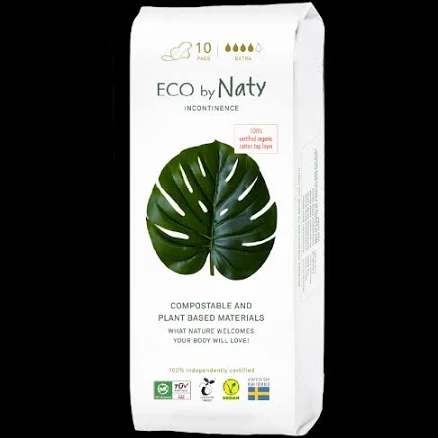
Eco By Naty
Incontinence Pads
- Bamboo-derived viscose, cotton, plant-based absorbent core
- We found no PFAS statement from the brand
- Heavy metals
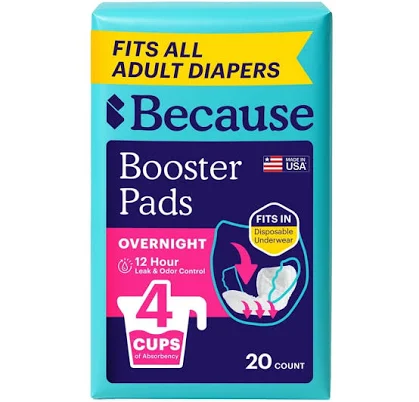
Because Market
Because Booster Pads
- Cellulose, superabsorbent polymer, cotton blend
- We found no PFAS statement from the brand
- Absorbent material degradation and bacterial growth
2 hazards checked on this product. See all of them.
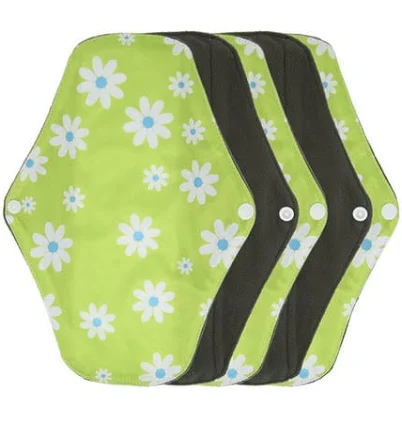
5pcs Bamboo Charcoal Washable Incontinence Pads
- bamboo charcoal textile, washable cotton-blend absorbent layer
- We found no PFAS statement from the brand
- Azo dyes and synthetic colorants
4 hazards checked on this product. See all of them.
More incontinence pads & protection grades
How we score, every product runs through the same public 0-100 rubric based on materials, coatings, brand disclosure, lab findings, and recalls. See the full methodology → Spotted a mistake? Report an error.