Tena · Incontinence Pads & Protection
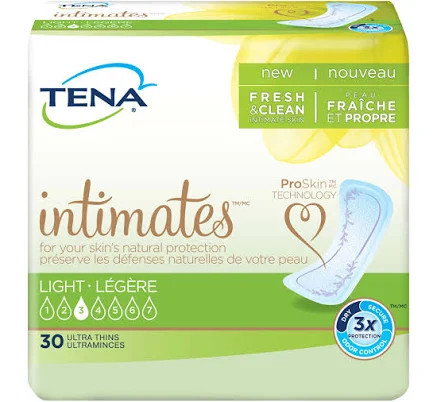
Tena Intimates Pads Light Ultra Thin Regular 9
Unknown coating raises concern. Brand silent on PFAS.
Tena Intimates has not stated whether PFAS is present or absent in this pad. Waterproof coatings on period products often contain PFAS, but specifics are unknown.
The better-graded swap
Tranquility
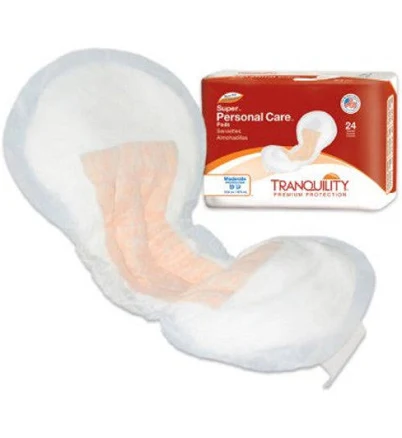
PBE Tranquility Personal Care Pads
70/100 safety
Same rubric that flunked this product. The swap earned Good.
Still want this one anyway? Check the price on Amazon. We’d swap it.
Material
Cellulose/synthetic fiber pad with unspecified waterproof coating
Brand disclosure
Brand is silent on PFAS
Lab data
No public lab test
What Tena Intimates Pads Light Ultra Thin is made of, ingredients and materials
Tena Intimates Light pads use a cellulose core (wood pulp) combined with synthetic fibers (likely polypropylene or polyester) and an unspecified waterproof backing layer. The coating material is not disclosed on packaging or in publicly available product documentation. Cellulose itself is chemically inert and widely used in menstrual products; the risk profile depends entirely on the identity and manufacturing of the waterproof layer, which typically contains polymer binders or coatings that may include PFAS or plasticizers.
What’s concerning
Category baseline
The starting point for this type of product, before anything specific to this product is counted.
No PFAS disclosure
No public statement from the brand about PFAS in this product.
Waterproof / stain-resistant treatment
Water-repellent coating treatments have historically used PFAS.
PFAS
The backing layer composition is not publicly disclosed. Waterproof coatings in budget-tier menstrual products often use fluorinated polymers (PFAS) or plasticizers; direct skin contact over hours raises potential for absorption, though dermal absorption of PFAS is considered low. Brand silence on this material is the primary concern.
Source, ATSDR ↗Synthetic fiber degradation and microfiber shedding
Polypropylene or polyester components in the pad structure may shed microfibers during use or after disposal. Menstrual pad fibers are not ingested but may contact vaginal mucosa; no health outcome data exists for this specific exposure pathway, but physical irritation from loose fibers is anecdotally reported.
Skin sensitization from residual processing chemicals
Cellulose and synthetic fibers in absorbent pads undergo bleaching, chemical bonding, and sizing during manufacture. Residual formaldehyde releasers, dyes, or cross-linking agents may be present in low quantities. No specific testing for Tena Intimates is published, but direct prolonged skin contact (6+ hours per pad) increases risk of irritant or allergic reaction in sensitive individuals.
Absence of third-party chemical certification
Unlike certified alternatives, Tena Intimates carries no OEKO-TEX, FDA premarket review for materials, or independent testing claim. This is not itself a hazard but increases uncertainty; competitors' transparency allows comparison and verification.
Bacterial overgrowth risk from occlusive design
All waterproof-backed pads create a moist, anaerobic microenvironment. Prolonged wear or delayed changes increase vaginal flora disruption and odor; this is a hygiene/comfort issue rather than chemical toxicity, but can compound irritation in susceptible users.
The full breakdown
The brand's record and disclosure
Tena (SCA/Essity) is a major global hygiene brand with no published stance on PFAS use in period products as of available records. The company has not voluntarily disclosed coating composition or pursued third-party certification (e.g., OEKO-TEX Standard 100 or similar) for this specific product line. No major recalls or chemical contamination incidents are publicly documented for Tena Intimates. This silence on material composition, combined with the product's budget-tier positioning, suggests ingredient transparency is not a brand priority.
How it compares in its category
Tena Intimates is competitively priced but falls below disclosure standards of premium or eco-certified brands (e.g., Seventh Generation, Cora, Natracare), which publish full ingredient lists and pursue third-party chemical testing. Most mainstream absorbent pads (Kotex, Always) similarly do not disclose coating materials. Tena's ultra-thin format is typical for light-flow products; absorbency and comfort are not a safety concern, but material transparency lags the category's lower-concern alternatives.
If you buy it
Use as directed for single-use disposal; do not reuse or wash pads. No heating or microwave use applies to disposable products. Replace every 4-6 hours or as needed; prolonged wear increases skin irritation risk unrelated to chemical hazard. If skin reaction, itching, or odor change occurs, discontinue and switch to a certified-clean alternative. Store in a dry place; moisture can promote bacterial growth on the absorbent layers.
What we don’t know
- Basis
- Model estimate, 45% confidence, not a lab result
- Lab test
- None on record for this exact product
- Brand statement
- Tena has made none
Formulations change between production runs, so check the current label. How we grade.
Better-graded alternatives in Incontinence Pads & Protection
Eco By Naty
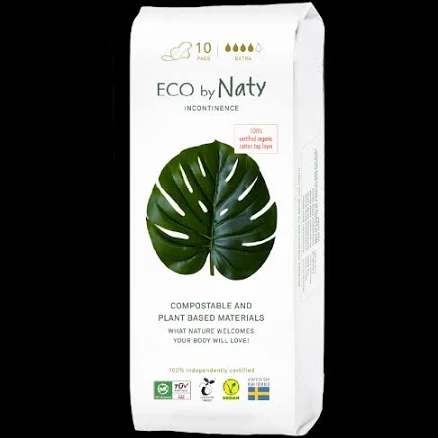
Incontinence Pads
- Bamboo-derived viscose, cotton, plant-based absorbent core
- We found no PFAS statement from the brand
- Heavy metals
Because Market
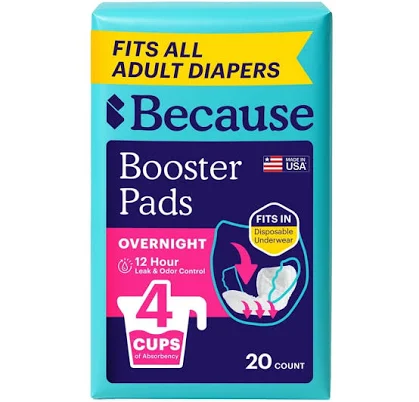
Because Booster Pads
- Cellulose, superabsorbent polymer, cotton blend
- We found no PFAS statement from the brand
- Absorbent material degradation and bacterial growth
2 hazards checked on this product. See all of them.
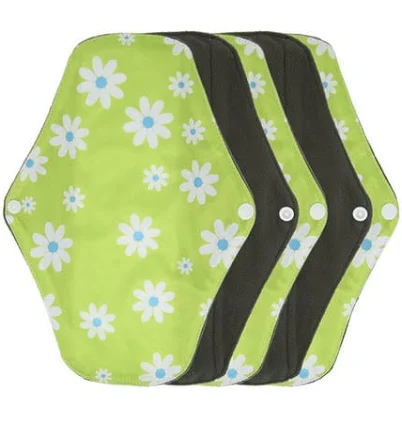
5pcs Bamboo Charcoal Washable Incontinence Pads
- bamboo charcoal textile, washable cotton-blend absorbent layer
- We found no PFAS statement from the brand
- Azo dyes and synthetic colorants
4 hazards checked on this product. See all of them.
More incontinence pads & protection grades
How we score, every product runs through the same public 0-100 rubric based on materials, coatings, brand disclosure, lab findings, and recalls. See the full methodology → Spotted a mistake? Report an error.