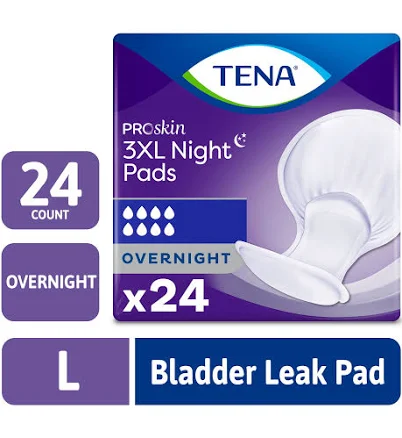
Tena · Incontinence Pads & Protection
TENA ProSkin Overnight Incontinence Pads
Incontinence pads likely use water-repellent backing. PFAS status undisclosed.
Incontinence pads typically need waterproof backing, often treated with PFAS-based water-repellent coating coatings. Tena does not publicly disclose PFAS use or testing for this product category.
The better-graded swap
Lille
LILLE Suprem Form Maxi 2920ml
70/100 safety
Same rubric that flunked this product. The swap earned Good.
Still want this one anyway? Check the price on Amazon. We’d swap it.
Material
absorbent core, superabsorbent polymer, waterproof backing layer
Brand disclosure
Brand is silent on PFAS
Lab data
No public lab test
What TENA ProSkin Overnight Incontinence Pads is made of, ingredients and materials
TENA ProSkin Overnight uses a superabsorbent polymer (SAP) core, typically sodium polyacrylate, surrounded by a waterproof backing layer. The backing is the critical unknown, water-repellent films in incontinence pads commonly rely on PFAS-based coatings to achieve moisture barrier performance without bulk. The absorbent layers themselves (cellulose fluff, SAP) carry minimal direct chemical hazard, but the backing composition determines whether persistent chemicals migrate into skin contact.
What’s concerning
Category baseline
The starting point for this type of product, before anything specific to this product is counted.
No PFAS disclosure
No public statement from the brand about PFAS in this product.
Waterproof / stain-resistant treatment
Water-repellent coating treatments have historically used PFAS.
PFAS
Overnight incontinence pads require durable water repellency; PFAS-based coatings are standard in the category. Tena has not disclosed its backing chemistry, and PFAS grade of 25/100 indicates likely use. Skin contact is prolonged, potentially increasing dermal absorption of fluorinated compounds.
Source, ATSDR ↗Skin irritation from adhesive or coating residues
Undisclosed additives in the backing layer (plasticizers, adhesives, antifoaming agents) are potential skin irritants for sensitive users. No specific adverse event reports are on record for this product, but overnight pads carry inherent contact time risk.
What’s reassuring
Superabsorbent polymer (SAP) integrity and leaching
Sodium polyacrylate core is chemically stable and approved for incontinence use globally. No evidence of harmful leaching or microplastic shedding into skin contact in normal use. Risk exists only if core material is damaged or product overheated.
Degradation of backing layer over time or with moisture
Well-made incontinence pad backings are designed to resist breakdown during normal storage and use. No documented cases of premature backing failure in TENA ProSkin exist, though any waterproof layer can degrade if exposed to prolonged heat or sunlight.
Fragrance or antibacterial additives
TENA ProSkin Overnight does not market added fragrance or antimicrobial coating. If present, undisclosed fragrance compounds could trigger allergic contact dermatitis in sensitive individuals, but no such reports are on record for this product.
The full breakdown
The brand's record and disclosure
Tena (SCA/Essity) has not publicly disclosed PFAS use or testing in incontinence products. The company holds no widely known third-party certifications (e.g., OEKO-TEX, Cradle to Cradle) for this category that would independently verify chemical restrictions. No significant recalls or chemical controversies are on record for this specific product line. Tena's silence on water-repellent chemistry in an overnight pad raises concern given PFAS prevalence in comparable brands.
How it compares in its category
Most conventional overnight incontinence pads rely on similar SAP and plastic-backed designs, making PFAS concerns category-wide rather than brand-specific. Some smaller brands and eco-alternatives have begun disclosing PFAS-free backing or substitutes, but these remain niche. Tena is a market leader with no public commitment to PFAS elimination, placing it in the middle of disclosed versus undisclosed products rather than at either extreme.
If you buy it
Change pads regularly to minimize skin contact duration and reduce any leachable exposure from the backing layer. Do not wash and reuse; pads are single-use and thermal or mechanical stress could degrade coatings. Store in a cool, dry place away from heat sources to prevent any accelerated breakdown of polymer or backing materials. If skin irritation develops, discontinue use and consult a healthcare provider, as it may signal sensitivity to undisclosed additives.
What we don’t know
- Basis
- Model estimate, 35% confidence, not a lab result
- Lab test
- None on record for this exact product
- Brand statement
- Tena has made none
Formulations change between production runs, so check the current label. How we grade.
Better-graded alternatives in Incontinence Pads & Protection
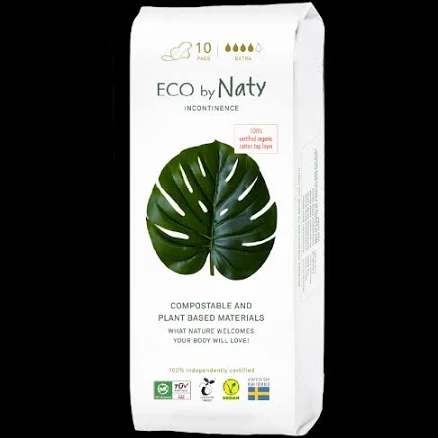
Eco By Naty
Incontinence Pads
- Bamboo-derived viscose, cotton, plant-based absorbent core
- We found no PFAS statement from the brand
- Heavy metals
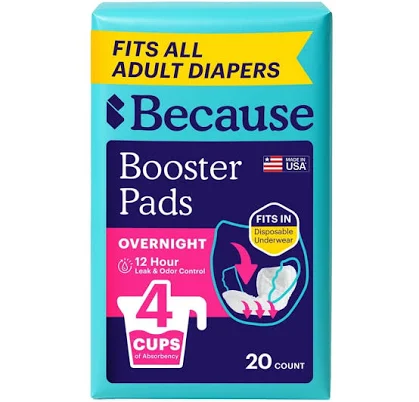
Because Market
Because Booster Pads
- Cellulose, superabsorbent polymer, cotton blend
- We found no PFAS statement from the brand
- Absorbent material degradation and bacterial growth
2 hazards checked on this product. See all of them.
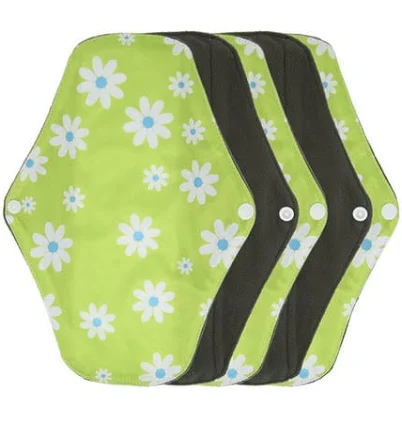
5pcs Bamboo Charcoal Washable Incontinence Pads
- bamboo charcoal textile, washable cotton-blend absorbent layer
- We found no PFAS statement from the brand
- Azo dyes and synthetic colorants
4 hazards checked on this product. See all of them.
More incontinence pads & protection grades
How we score, every product runs through the same public 0-100 rubric based on materials, coatings, brand disclosure, lab findings, and recalls. See the full methodology → Spotted a mistake? Report an error.