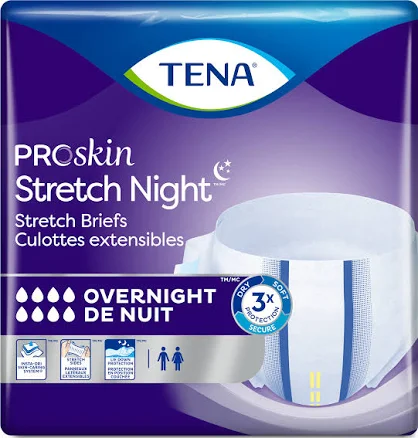
Tena · Incontinence Pads & Protection
Tena ProSkin Overnight Protection Incontinence
Waterproof incontinence product, unverified PFAS status. Avoid if concerned.
This brand discloses no PFAS information for this overnight product. Waterproof backing commonly uses water repellent coatings that may contain PFAS, but manufacturer silence prevents verification of actual composition.
The better-graded swap
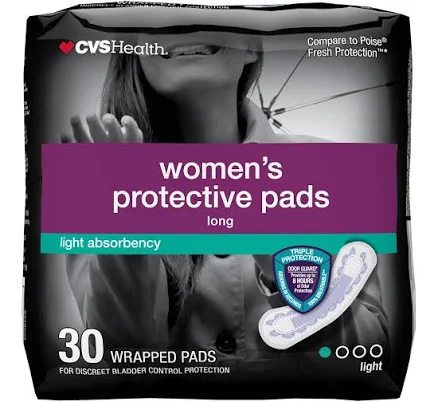
CVS Health
CVS Women's Protective Pads Moderate Absorbency
70/100 safety
Same rubric that flunked this product. The swap earned Good.
Still want this one anyway? Check the price on Amazon. We’d swap it.
Material
nonwoven cellulose, superabsorbent polymer, waterproof backing
Brand disclosure
Brand is silent on PFAS
Lab data
No public lab test
What Tena ProSkin Overnight Protection is made of, ingredients and materials
Tena ProSkin Overnight uses nonwoven cellulose layers bonded to a superabsorbent polymer core and waterproof plastic backing. The backing layer is the likely source of any PFAS risk, as water-resistant materials in absorbent hygiene products commonly use fluorinated coatings to achieve leak prevention. The cellulose and SAP itself are standard food-grade materials with no inherent toxicity concerns.
What’s concerning
Category baseline
The starting point for this type of product, before anything specific to this product is counted.
No PFAS disclosure
No public statement from the brand about PFAS in this product.
Waterproof / stain-resistant treatment
Water-repellent coating treatments have historically used PFAS.
PFAS
Incontinence products commonly use PFAS-based or perfluorinated polymers in water-resistant films. Tena has not transparently ruled this out; dermal contact risk is low but bioaccumulation potential exists with long-term use. See separate PFAS assessment (25/100).
Source, ATSDR ↗Plastic backing off-gassing
Waterproof plastic films can emit volatile organic compounds (VOCs) if heated or stored in warm conditions. Risk is low for skin-contact use at room temperature but increases if product is exposed to heat or direct sun for extended periods.
What’s reassuring
Superabsorbent polymer (sodium polyacrylate) safety
SAP is widely used in diapers and incontinence products; no credible evidence links it to systemic toxicity via skin contact. Inhalation of dry powder is theoretically possible during opening but minimal in pre-assembled products.
Nonwoven cellulose contaminants
Cellulose fibers in hygiene products are generally well-regulated and do not shed microplastics. No reported contamination with formaldehyde resins or chlorine bleach residues specific to Tena incontinence products.
Skin sensitization or irritation
Tena ProSkin line is formulated with skin-care additives and is dermatologically tested. No major recalls for allergic reactions or irritant contact dermatitis have been publicly reported for this product.
The full breakdown
The brand's record and disclosure
Tena (SCA/Essity) does not publicly disclose PFAS content or commit to PFAS-free formulations across their incontinence range. The brand has not faced major recalls for chemical hazards in incontinence products, and their manufacturing is generally subject to EU and FDA oversight. No independent third-party certifications (e.g., Cradle to Cradle, Nordic Swan) are visible for this specific product line, limiting external verification.
How it compares in its category
Tena is a mainstream, established brand in absorbent incontinence products, competing alongside Depend, Poise, and store brands. Most competitors in this category also use waterproof plastic backings with unverified or undisclosed PFAS status, making Tena representative rather than exceptional. Smaller certified PFAS-free alternatives exist but are rarer and typically more expensive; conventional products dominate the market.
If you buy it
Store in a dry, cool location away from heat or direct sunlight to prevent plastic degradation. Do not expose to flame or high temperatures, as the plastic backing could degrade or off-gas. Replace every 4-8 hours or when saturated to prevent skin maceration and bacterial overgrowth. Dispose of used products in household waste (not down toilet) unless local guidelines specify otherwise.
What we don’t know
- Basis
- Model estimate, 45% confidence, not a lab result
- Lab test
- None on record for this exact product
- Brand statement
- Tena has made none
Formulations change between production runs, so check the current label. How we grade.
Better-graded alternatives in Incontinence Pads & Protection
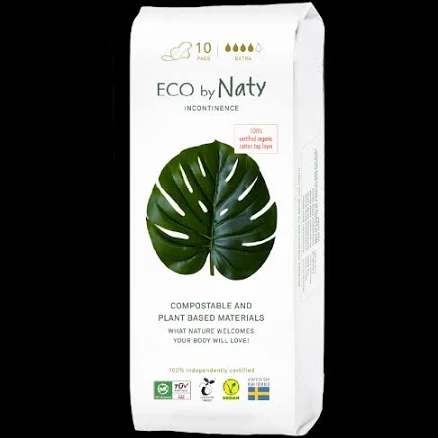
Eco By Naty
Incontinence Pads
- Bamboo-derived viscose, cotton, plant-based absorbent core
- We found no PFAS statement from the brand
- Heavy metals
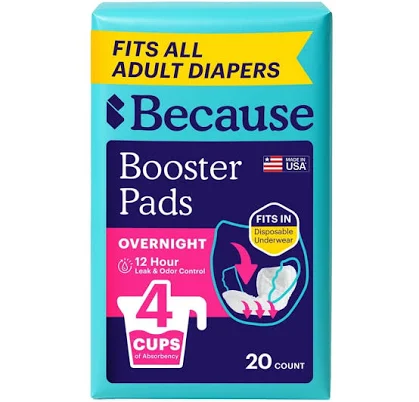
Because Market
Because Booster Pads
- Cellulose, superabsorbent polymer, cotton blend
- We found no PFAS statement from the brand
- Absorbent material degradation and bacterial growth
2 hazards checked on this product. See all of them.
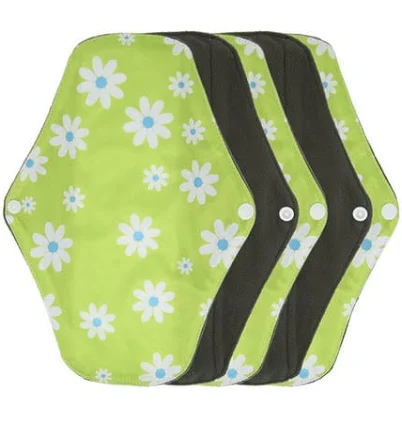
5pcs Bamboo Charcoal Washable Incontinence Pads
- bamboo charcoal textile, washable cotton-blend absorbent layer
- We found no PFAS statement from the brand
- Azo dyes and synthetic colorants
4 hazards checked on this product. See all of them.
More incontinence pads & protection grades
How we score, every product runs through the same public 0-100 rubric based on materials, coatings, brand disclosure, lab findings, and recalls. See the full methodology → Spotted a mistake? Report an error.