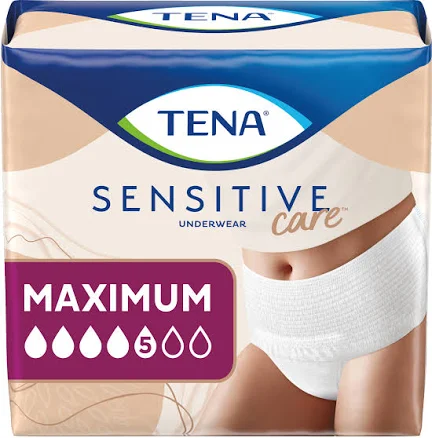
Tena · Incontinence Pads & Protection
TENA Sensitive Care Adult Incontinence Underwear
Adult incontinence products often use water-repellent coating coatings. Brand silent on PFAS.
TENA does not disclose PFAS use or testing. Incontinence underwear typically includes waterproof barrier treatments that may contain PFAS, with no third-party verification available.
The better-graded swap
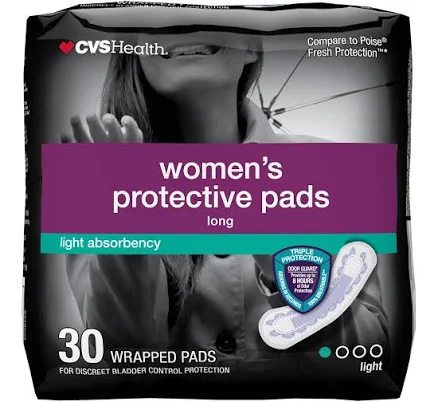
CVS Health
CVS Women's Protective Pads Moderate Absorbency
70/100 safety
Same rubric that flunked this product. The swap earned Good.
Still want this one anyway? Check the price on Amazon. We’d swap it.
Material
nonwoven textile, elastomeric polymers, absorbent core with moisture-barrier layer
Brand disclosure
Brand is silent on PFAS
Lab data
No public lab test
What TENA Sensitive Care Adult Incontinence is made of, ingredients and materials
TENA Sensitive Care uses nonwoven textile layers (polypropylene or similar) bonded to an absorbent core, typically wood pulp and superabsorbent polymer (SAP, usually sodium polyacrylate), with an elastomeric polymeric backing for moisture barrier. The moisture-barrier layer is the primary concern, durable water repellency (water-repellent coating) on incontinence products is almost universally achieved with fluorochemical coatings or Teflon-type coating-based treatments to prevent leakage. No transparent material disclosure from Tena on whether this specific product uses fluorinated or non-fluorinated water-repellent coating.
What’s concerning
Category baseline
The starting point for this type of product, before anything specific to this product is counted.
No PFAS disclosure
No public statement from the brand about PFAS in this product.
Waterproof / stain-resistant treatment
Water-repellent coating treatments have historically used PFAS.
PFAS
Incontinence products routinely use fluorochemical water repellents to prevent leakage. Tena's silence on this and lack of PFAS-free certification for this line suggests probable PFAS presence, particularly in the elastomeric backing layer. Prolonged skin contact with PFAS-coated textiles is an under-studied but plausible chronic exposure route.
Source, ATSDR ↗Formaldehyde / VOCs
Nonwoven textiles may use melamine or urea-formaldehyde resins as binders. Tena does not publish testing results for formaldehyde emissions. Direct skin contact over extended wear periods could pose low risk, but medical-grade alternatives with certified low-formaldehyde bonding exist.
Source, ATSDR ↗Elastomer backing polymer leachables or additives under occlusion
Elastomeric backings may contain plasticizers (phthalates or alternatives) or antioxidants to prevent degradation. Prolonged skin contact in warm, moist incontinence conditions could increase leaching. Tena does not publish chemical composition of the backing layer.
What’s reassuring
Azo dyes or aniline-derived colorants in nonwoven layer
No specific recalls or documentation of azo dye hazards in TENA products. Nonwoven textiles in continence products are typically white or neutral, reducing need for synthetic dyes, but if colored elastomer backing is present, azo dye content is not disclosed.
Superabsorbent polymer (SAP) gel leakage or microparticle transfer
SAP (sodium polyacrylate) is non-toxic and not classified as a hazard by regulatory bodies. Gel particles may escape if the product is compromised, but this is a comfort issue, not a documented toxicological concern.
The full breakdown
The brand's record and disclosure
Tena (owned by SCA, a Swedish hygiene conglomerate) does not publicly disclose PFAS use in product specifications or safety documentation for adult incontinence lines. The company has made no known commitment to phasing out PFAS in this category, unlike some competitors in menstrual or feminine care who have begun transparent PFAS labeling. No major recalls or safety controversies specific to Tena incontinence products are on record, but this silence on PFAS is notably different from brands offering PFAS-free certifications.
How it compares in its category
Adult incontinence products are among the highest-risk categories for PFAS exposure due to prolonged skin contact and the near-universal need for water-resistant barriers. Tena is a market leader but offers no documented PFAS-free alternative line. Competitors like Tranquility and some private-label medical-grade products have begun offering or certifying PFAS-free options, making Tena's silence more conspicuous. The absorbent core materials present lower concern (SAP is not a material linked to PFAS at use levels), but the moisture barrier is the unknown variable here.
If you buy it
Store in a cool, dry place away from direct heat to prevent any potential degradation of the backing layer. Replace products immediately if the barrier layer shows visible damage, peeling, or odor, as compromised water-repellent coating can degrade protection and increase dermal contact with underlying polymers. Do not microwave or expose to high temperatures. Request a Material Safety Data Sheet or full ingredient/coating disclosure from the retailer or manufacturer; if unavailable, consider this a red flag and contact Tena directly demanding transparency on water-repellent coating chemistry.
What we don’t know
- Basis
- Model estimate, 35% confidence, not a lab result
- Lab test
- None on record for this exact product
- Brand statement
- Tena has made none
Formulations change between production runs, so check the current label. How we grade.
Better-graded alternatives in Incontinence Pads & Protection
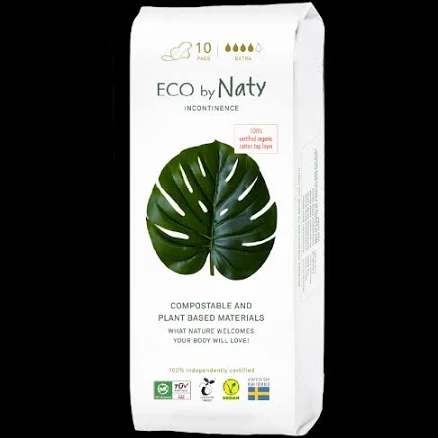
Eco By Naty
Incontinence Pads
- Bamboo-derived viscose, cotton, plant-based absorbent core
- We found no PFAS statement from the brand
- Heavy metals
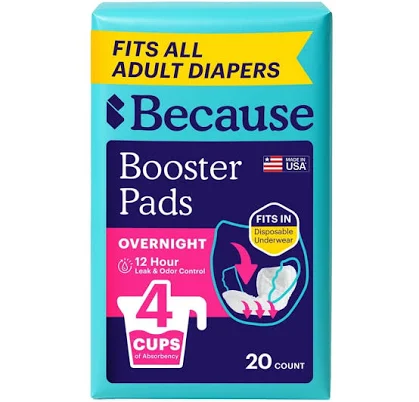
Because Market
Because Booster Pads
- Cellulose, superabsorbent polymer, cotton blend
- We found no PFAS statement from the brand
- Absorbent material degradation and bacterial growth
2 hazards checked on this product. See all of them.
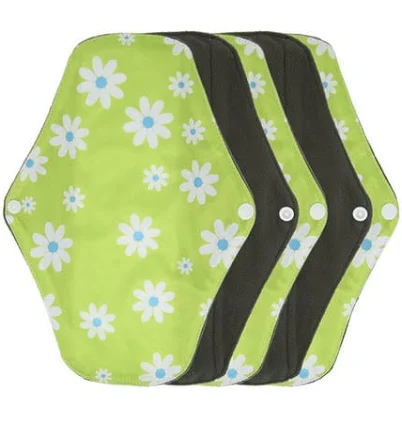
5pcs Bamboo Charcoal Washable Incontinence Pads
- bamboo charcoal textile, washable cotton-blend absorbent layer
- We found no PFAS statement from the brand
- Azo dyes and synthetic colorants
4 hazards checked on this product. See all of them.
More incontinence pads & protection grades
How we score, every product runs through the same public 0-100 rubric based on materials, coatings, brand disclosure, lab findings, and recalls. See the full methodology → Spotted a mistake? Report an error.