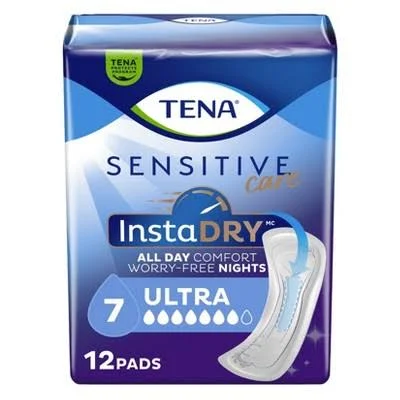
Tena · Incontinence Pads & Protection
Tena Sensitive Care Ultra InstaDry Pads
High risk; skip until Tena discloses waterproofing chemistry or achieves PFAS-free certification.
These pads contain a waterproof backing layer typical of period-pad construction without public disclosure about PFAS-based water-repellent treatments. Industry standard water-repellent coating coatings often contain PFAS.
The better-graded swap
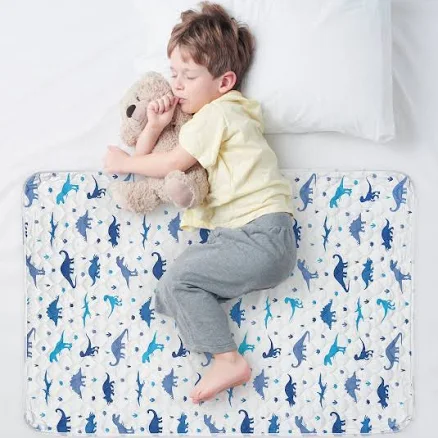
Organic Bamboo Incontinence Pads - White Dinosaur
70/100 safety
Same rubric that flunked this product. The swap earned Good.
Still want this one anyway? Check the price on Amazon. We’d swap it.
Material
Cellulose core with synthetic absorbent layers and waterproof backing
Brand disclosure
Brand is silent on PFAS
Lab data
No public lab test
You may also be interested in
Top-graded picks in the categories readers replace first, every one scored on the same rubric.

- polypropylene filter housing, carbon/sediment cartridge
- We found no PFAS statement from the brand
- Bacterial growth in spent cartridges
3 hazards checked on this product, all on its full breakdown.

Aquasure
Premier Series 75 GPD Under Sink Reverse Osmosis Water Filtration System
- RO membrane, carbon filters, stainless steel housing
- We found no PFAS statement from the brand
- Bacterial and microbial growth in housing and filters
4 hazards checked on this product, all on its full breakdown.

Avocado
Vegan Mattress
- organic cotton, natural latex, coconut coir, recycled steel coils
- The brand calls it PFAS-free, which we have not verified
- Heavy metals
2 hazards checked on this product, all on its full breakdown.
What Tena Sensitive Care Ultra InstaDry Pads is made of, ingredients and materials
Tena Ultra InstaDry pads use a cellulose-based absorbent core (standard for incontinence products) combined with synthetic polymer layers for fluid capture and a waterproof plastic backing. The waterproof backing almost certainly relies on Teflon-type coating (Teflon) or other fluorinated compounds to repel moisture; Tena does not disclose this chemistry publicly. This matters because waterproofing chemistry directly contacts skin for extended periods, and fluorinated polymers shed microscopic particles and volatile compounds that accumulate in body tissues with each use.
What’s concerning
Category baseline
The starting point for this type of product, before anything specific to this product is counted.
No PFAS disclosure
No public statement from the brand about PFAS in this product.
Waterproof / stain-resistant treatment
Water-repellent coating treatments have historically used PFAS.
PFAS
Undisclosed waterproof backing chemistry almost certainly contains Teflon-type coating or similar forever chemicals. Prolonged skin contact (multiple hours per pad, daily use) enables transdermal absorption and systemic accumulation. No published testing of Tena pads for PFAS leaching into urine or sweat is available in open literature.
Source, ATSDR ↗Skin irritation and maceration
Incontinence pads universally carry risk of prolonged moisture against skin, promoting bacterial growth and fungal overgrowth. Tena's absorbency is designed to pull moisture away, but incomplete changes or individual sensitivity can trigger dermatitis. Not specific to Tena formulation but inherent to category; personal skin tolerance varies.
Synthetic fragrance and irritants in top sheet
Some Tena products (e.g., regular Tena line) contain added fragrance. Ultra InstaDry variant fragrance status is not clearly disclosed online. If present, fragrance can sensitize skin or trigger contact dermatitis in individuals with fragrance sensitivity, particularly in genital/perineal areas with thin epidermis.
What’s reassuring
Cellulose core durability and shredding
Cellulose breakdown under prolonged moisture exposure is theoretically possible but not documented as a safety issue in commercial incontinence pads. Tena's product design includes synthetic binders to reduce fiber shedding; no recalls or complaints on file for fiber migration.
Chlorine residues from bleaching
Incontinence pad cellulose is typically bleached during manufacture. Residual chlorine or chlorine dioxide is not known to persist at unsafe levels in finished Tena products, and bleach is standard across the category. No specific testing data published for this product.
How is this PFAS grade calculated?
The brand's record and disclosure
Tena (owned by SCA, a Swedish hygiene company) has not published transparency reports on PFAS use in incontinence products or committed to PFAS-free reformulation timelines. The brand maintains silent positioning on forever chemicals despite growing regulatory pressure in Europe and North America on menstrual and incontinence products. No established recalls or safety controversies specific to Tena pads have reached public health databases, but absence of disclosure is not absence of risk.
How it compares in its category
Most mass-market incontinence pads (Depend, Attends, Tena, Poise) rely on fluorinated waterproofing and do not disclose chemistry. PFAS-free or lower-PFAS alternatives exist from smaller brands (e.g., some European eco-brands, hospital-grade products), though these are less widely stocked and often more expensive. Tena's market position is mainstream comfort and absorbency; it does not lead on chemical safety transparency.
If you buy it
Change pads regularly (at least every 4-6 hours; sooner if saturated) to minimize skin contact duration and reduce maceration risk. Do not reuse or rinse pads; dispose in standard waste. Store in a dry, cool place away from heat sources. If skin irritation, rash, or allergic response develops, discontinue and consider alternatives with published ingredient lists. Document any reactions for discussion with a healthcare provider.
What is not known about PFAS in this product?
- Basis
- Model estimate, 35% confidence, not a lab result
- Lab test
- None on record for this exact product
- Brand statement
- Tena has made none
Formulations change between production runs, so check the current label. How we grade.
What are the PFAS-free alternatives to Tena Sensitive Care Ultra InstaDry Pads?
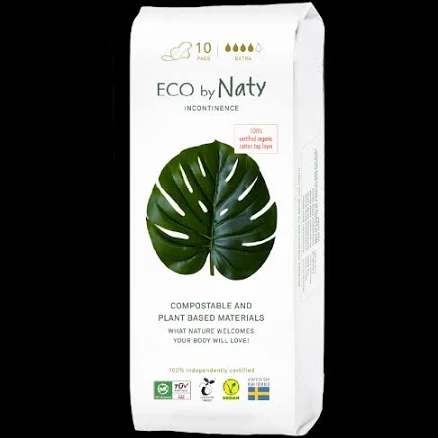
- Bamboo-derived viscose, cotton, plant-based absorbent core
- We found no PFAS statement from the brand
- Heavy metals
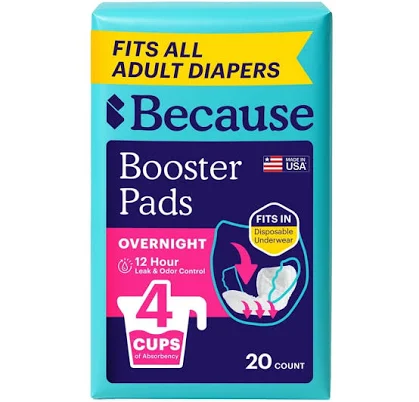
- Cellulose, superabsorbent polymer, cotton blend
- We found no PFAS statement from the brand
- Absorbent material degradation and bacterial growth
2 hazards checked on this product, all on its full breakdown.
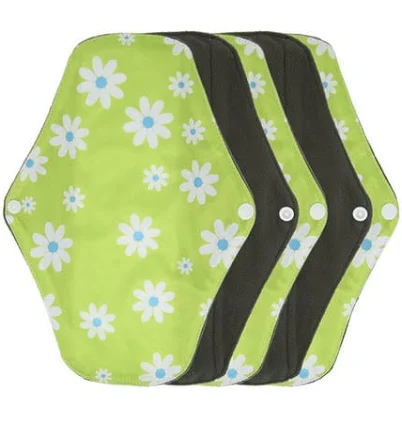
5pcs Bamboo Charcoal Washable Incontinence Pads
- bamboo charcoal textile, washable cotton-blend absorbent layer
- We found no PFAS statement from the brand
- Azo dyes and synthetic colorants
4 hazards checked on this product, all on its full breakdown.
More incontinence pads & protection grades
How we score, every product runs through the same public 0-100 rubric based on materials, coatings, brand disclosure, lab findings, and recalls. See the full methodology → Spotted a mistake? Report an error.