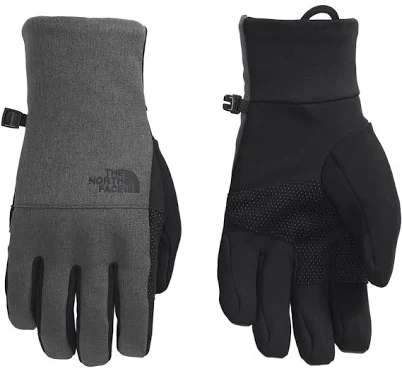
The North Face · Waterproof Winter Gloves
The North Face Men's Apex Insulated Etip Gloves
Moderate PFAS concern due to water-repellent coating, brand offers no transparency.
The North Face does not publicly disclose PFAS presence or absence in this glove's water-repellent treatment. Apex gloves typically feature water-repellent coating on synthetic shells, a category historically reliant on PFAS chemistry, though some brands now offer PFAS-free alternatives that this brand won't confirm.
The better-graded swap
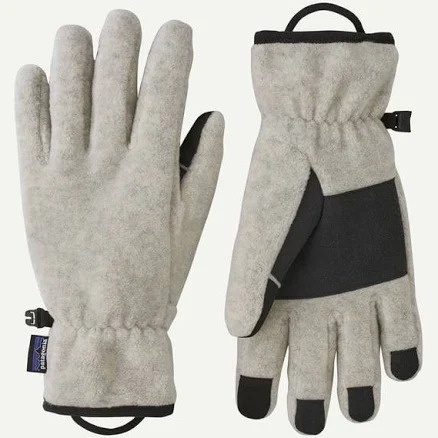
Patagonia
Patagonia Synchilla Gloves
90/100 safety
Same rubric that flunked this product. The swap earned Excellent.
Still want this one anyway? Check the price on Amazon. We’d swap it.
Material
Synthetic insulation + polyester ripstop shell with water-repellent coating treatment
Lab data
No public lab test
What The North Face Men's Apex Insulated Etip is made of, ingredients and materials
The Apex Etip uses synthetic polyester insulation (likely PrimaLoft or similar) wrapped in a polyester ripstop shell with water-repellent coating (water-repellent coating) treatment. The water-repellent coating is the primary chemical concern, historically, fluorinated water-repellent coating finishes contain PFAS, though brands have begun transitioning to fluorine-free alternatives. The polyester itself is stable and does not release monomers or plasticizers under normal wear conditions. Synthetic insulation avoids down's dust and allergen issues but offers no unique chemical risk compared to untreated polyester.
What’s concerning
Category baseline
The starting point for this type of product, before anything specific to this product is counted.
No PFAS disclosure
No public statement from the brand about PFAS in this product.
Waterproof / stain-resistant treatment
Water-repellent coating treatments have historically used PFAS.
PFAS
Polyester ripstop shell treated with water-repellent coating finish; specific fluorochemical composition not disclosed by brand. Fluorine-free alternatives exist but are not confirmed on this model, making fluorinated PFAS likely but not certain. Risk is primarily dermal contact and potential leaching during washing; gloves are worn intermittently and exposure is low compared to textiles worn against skin daily.
Source, ATSDR ↗Degradation and microfiber shedding from insulation and shell
Synthetic polyester insulation sheds microfibers with mechanical wear and washing, especially if the insulation is not fully encapsulated. This is an environmental concern rather than a direct health hazard to the wearer, but gloves shed less material than larger garments due to lower surface area and infrequent washing.
What’s reassuring
Formaldehyde / VOCs
Polyester ripstop and insulation materials do not inherently require formaldehyde-based resins for finishing. No documented recalls or reports of formaldehyde off-gassing from this product line. Standard polyester production does not introduce formaldehyde; risk is only if heavy chemical finishing agents are used, which The North Face does not acknowledge.
Source, ATSDR ↗Heavy metals
The Etip shell is typically dark colored (black, grey) polyester. No tested heavy metal contamination or banned azo dye use has been reported for this product. Dark synthetic textiles carry minimal inherent risk if manufactured to basic textile safety standards, which major apparel brands meet.
Source, FDA ↗Antimony in polyester fiber
Polyester production may use antimony trioxide as a catalyst; residual levels in finished fiber are typically very low and not a documented concern in apparel-grade polyester. No recalls or testing data specific to The North Face gloves indicate elevated antimony risk.
The full breakdown
The brand's record and disclosure
The North Face (owned by VF Corporation) has not published detailed water-repellent coating chemistry disclosures for this specific glove line. VF Corporation committed to eliminating long-chain PFAS by 2025 and has phased out PFOCs in some apparel, but public confirmation of PFAS-free treatments on the Etip gloves is absent. The brand does not list GOTS, bluesign, or other third-party chemical certifications on this product. This silence around water-repellent coating composition is consistent with broader industry opacity on water-repellent coatings.
How it compares in its category
Winter gloves in this performance tier (insulated, water-resistant, touchscreen-compatible) almost universally use water-repellent coating coatings; fluorine-free alternatives exist but remain niche. The Etip competes against Patagonia, Arc'teryx, and Columbia models that similarly lack transparent water-repellent coating disclosure. Wool or untreated synthetic gloves avoid water-repellent coating entirely but sacrifice water repellency. The Etip's synthetic insulation is less durable than down or merino wool but offers faster drying and lower allergen burden.
If you buy it
Wash infrequently in cool water with minimal detergent to preserve the water-repellent coating and reduce any potential leaching during care. Avoid dry cleaning and commercial laundering, which may reapply fresh PFAS-containing finishes. Replace when insulation clumping becomes visible or water no longer beads on the shell, typically after 3-5 seasons of heavy use. Store dry in a breathable bag to prevent mildew and avoid heat exposure (dryers, direct sun) that could theoretically accelerate coating degradation.
What we don’t know
- Basis
- Model estimate, 55% confidence, not a lab result
- Lab test
- None on record for this exact product
- Brand statement
- The North Face has made a specific claim
Formulations change between production runs, so check the current label. How we grade.
Better-graded alternatives in Waterproof Winter Gloves
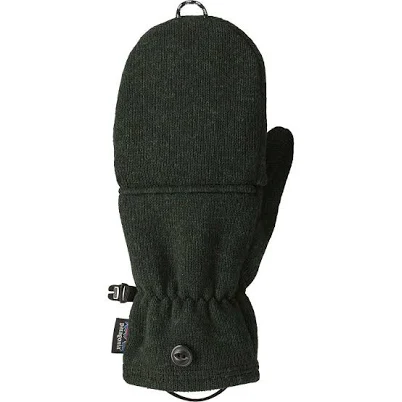
Patagonia
Better Sweater Gloves Patagonia Women's
- Polyester fleece (recycled)
- The brand calls it PFAS-free, which we have not verified
- Heavy metals
2 hazards checked on this product. See all of them.
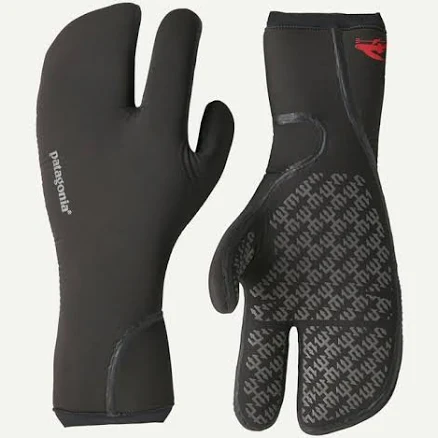
Patagonia
R4 Yulex Regulator Three Finger Mitts
- Yulex (synthetic rubber), neoprene-free alternative
- The brand calls it PFAS-free, which we have not verified
- Allergic contact dermatitis (rubber/guayule sensitivity)
2 hazards checked on this product. See all of them.
Patagonia
Synchilla Gloves
- Polyester fleece (Synchilla®); no water-repellent treatment disclosed
- The brand calls it PFAS-free, which we have not verified
- Microplastics
2 hazards checked on this product. See all of them.
More waterproof winter gloves grades
How we score, every product runs through the same public 0-100 rubric based on materials, coatings, brand disclosure, lab findings, and recalls. See the full methodology → Spotted a mistake? Report an error.