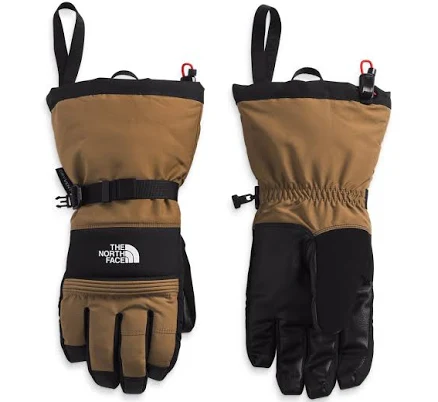
The North Face · Waterproof Winter Gloves
The North Face Men's Montana Ski Gloves
Avoid unless you confirm water-repellent coating-free or PFAS-free variant, waterproof ski gloves typically use PFAS-based water-repellent coating.
The North Face withholds public disclosure of PFAS use in these ski gloves' water-repellent coating finish. Ski gloves require durable water repellency to work, and most major brands achieve this with legacy PFAS chemistry without explicit PFAS-free certification.
The better-graded swap
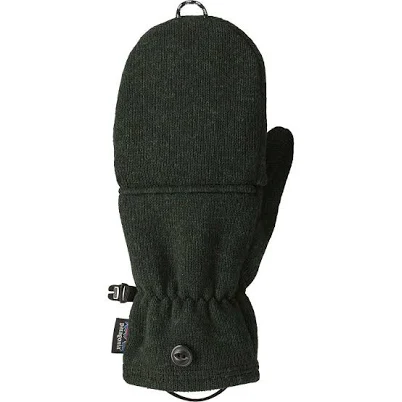
Patagonia
Better Sweater Gloves Patagonia Women's
90/100 safety
Same rubric that flunked this product. The swap earned Excellent.
Still want this one anyway? Check the price on Amazon. We’d swap it.
Material
Synthetic insulation, nylon shell with water-repellent coating finish
Lab data
No public lab test
What The North Face Men's Montana Ski Gloves is made of, ingredients and materials
The Montana Ski Gloves use a nylon shell with a water-repellent coating (water-repellent coating) finish and synthetic insulation core. Nylon itself is chemically stable and poses no known leaching risk. The water-repellent coating finish is the critical component, most commercial ski glove water-repellent coating treatments use legacy PFAS compounds (PFOA, PFOS) or newer replacements (GenX, PFHxS) to create the water-shedding layer. These do not wash off into your hands but can degrade with wear and release compounds into sweat or detergent water during cleaning.
What’s concerning
Category baseline
The starting point for this type of product, before anything specific to this product is counted.
No PFAS disclosure
No public statement from the brand about PFAS in this product.
Waterproof / stain-resistant treatment
Water-repellent coating treatments have historically used PFAS.
PFAS
Commercial waterproof ski gloves almost universally use PFAS-based water-repellent coating. The North Face has not disclosed chemistry for this product; legacy PFAS (PFOA/PFOS) or newer alternatives (GenX, PFHxS) are probable. Direct hand contact is low-risk, but degradation during washing or wear may release compounds.
Source, ATSDR ↗Azo dyes in nylon shell
Nylon is commonly dyed with acid or disperse dyes; some older disperse dyes can release carcinogenic amines, though this is rare in major apparel brands. The North Face applies quality controls to dyeing, but no product-specific testing data is publicly available. Risk is low but not zero.
Microplastics
Polyester or nylon insulation sheds microfibers with wear and especially during washing. This is an environmental concern if wastewater enters aquatic systems, and a minor inhalation risk if you handle wet gloves extensively in close quarters. Use a mesh laundry bag to reduce shedding if you wash them.
Source, EPA ↗What’s reassuring
Formaldehyde / VOCs
Modern polyester and nylon insulation typically do not use formaldehyde-releasing resins as binders. The North Face uses established synthetic insulation blends (often polyester fiberfill or PrimaLoft variants) that are not routinely treated with formaldehyde. No recalls or public alerts exist for this product line.
Source, ATSDR ↗Antimony in polyester if present
Antimony trioxide is a catalyst in polyester synthesis but typically remains bound in the final polymer and does not migrate. The Montana Ski Gloves use nylon shell and synthetic insulation; no public data suggests antimony exposure from these materials in this product.
The full breakdown
The brand's record and disclosure
The North Face has not published specific details about water-repellent coating chemistry in their ski glove line or committed to alternatives with lower PFAS concern across their apparel range. The brand has faced pressure from environmental groups on PFAS in outdoor gear but has not issued product-level transparency or phased-elimination timelines comparable to some competitors (e.g., Patagonia's documented PFAS reduction efforts). Without a published statement for this specific product, the water-repellent coating composition remains unknown.
How it compares in its category
Nearly all mainstream waterproof ski gloves use PFAS-based or PFAS-alternative water-repellent coating finishes because non-fluorinated water repellents do not perform reliably in wet snow conditions. The North Face Montana Ski Gloves are mid-to-premium tier; budget alternatives often use cheaper, potentially older PFAS formulations, while some premium eco-focused brands (e.g., some Fjallraven or Hestra models) now offer wax-based or paraffin water-repellent coating options with lower performance longevity. The North Face product is typical for its category in relying on fluorinated chemistry.
If you buy it
Minimize water-repellent coating degradation by avoiding frequent machine washing (hand wash in cool water with minimal detergent, air dry). Do not expose to high heat (dishwasher, direct heat sources) as this can accelerate fluorine compound volatilization. Replace gloves if the outer nylon becomes visibly worn, pilled, or water no longer beads on the surface, as this signals water-repellent coating breakdown. If PFAS exposure is a household priority, contact The North Face customer service to request water-repellent coating chemistry details before purchase, or seek a confirmed PFAS-free variant.
What we don’t know
- Basis
- Model estimate, 35% confidence, not a lab result
- Lab test
- None on record for this exact product
- Brand statement
- The North Face has made a specific claim
Formulations change between production runs, so check the current label. How we grade.
Better-graded alternatives in Waterproof Winter Gloves
Patagonia
Better Sweater Gloves Patagonia Women's
- Polyester fleece (recycled)
- The brand calls it PFAS-free, which we have not verified
- Heavy metals
2 hazards checked on this product. See all of them.
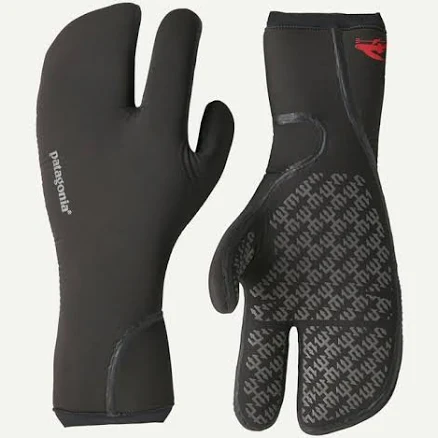
Patagonia
R4 Yulex Regulator Three Finger Mitts
- Yulex (synthetic rubber), neoprene-free alternative
- The brand calls it PFAS-free, which we have not verified
- Allergic contact dermatitis (rubber/guayule sensitivity)
2 hazards checked on this product. See all of them.
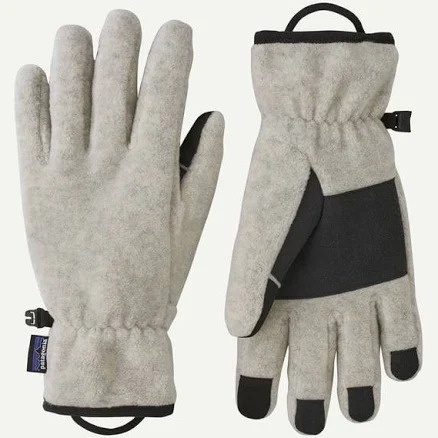
Patagonia
Synchilla Gloves
- Polyester fleece (Synchilla®); no water-repellent treatment disclosed
- The brand calls it PFAS-free, which we have not verified
- Microplastics
2 hazards checked on this product. See all of them.
More waterproof winter gloves grades
How we score, every product runs through the same public 0-100 rubric based on materials, coatings, brand disclosure, lab findings, and recalls. See the full methodology → Spotted a mistake? Report an error.