Tranquility · Incontinence Pads & Protection
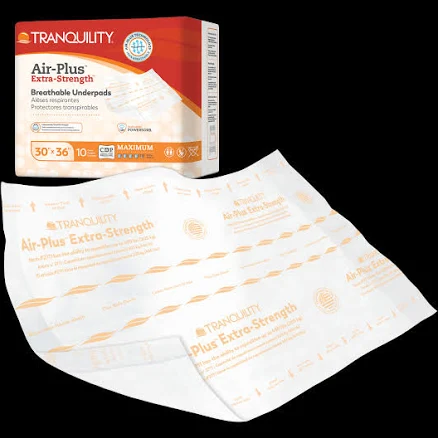
Tranquility AIR-Plus Extra-Strength Breathable Underpad
Skip until brand discloses waterproofing chemistry; underpads commonly use PFAS-laden water-repellent coating coatings.
Tranquility AIR-Plus underpads contain a waterproof backing layer, the most likely place PFAS would appear in this category. Brand provides no public disclosure of the backing material or PFAS-avoidance claim.
The better-graded swap
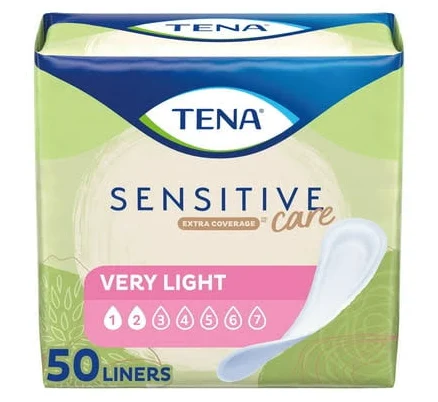
Tena
TENA Very Light
70/100 safety
Same rubric that flunked this product. The swap earned Good.
Still want this one anyway? Check the price on Amazon. We’d swap it.
Material
Absorbent core + waterproof backing (unspecified polymer)
Brand disclosure
Brand is silent on PFAS
Lab data
No public lab test
What Tranquility AIR-Plus Extra-Strength is made of, ingredients and materials
Tranquility AIR-Plus uses a cellulose-based absorbent core (typical for underpads) bonded to an unspecified waterproof polymer backing. The backing material is critical, if it contains Teflon-type coating (Teflon), polyurethane, or polyethylene laminate, each presents different leaching and off-gassing profiles depending on temperature and urine pH. Tranquility does not publicly disclose the backing chemistry, which is a major red flag in this category where PFAS-based durable water repellents (water-repellent coating) are industry standard.
What’s concerning
Category baseline
The starting point for this type of product, before anything specific to this product is counted.
No PFAS disclosure
No public statement from the brand about PFAS in this product.
Waterproof / stain-resistant treatment
Water-repellent coating treatments have historically used PFAS.
Waterproof backing leachates (unidentified polymer chemistry)
The backing material is not specified by Tranquility. If polyurethane or polyethylene laminate is used, oligomers and softening agents can migrate into contact with skin or urine, especially in warm, moist conditions typical of incontinence use. Risk level depends entirely on backing identity, which the brand has not disclosed.
Polymer off-gassing and VOC emission
Underpads stored or used in warm environments (e.g., near heating, in vehicles, or in high-humidity care facilities) may emit volatile organic compounds from backing materials. This is a particular concern for bedridden individuals with prolonged exposure and limited ventilation.
Coating degradation over time
All polymer-backed underpads degrade with repeated washing, exposure to urine chemistry (ammonia, acids), and heat. As the waterproof layer breaks down, absorbent core fibers may become exposed, increasing microfiber shedding and reducing containment. Tranquility does not publish durability or replacement interval guidance.
Skin irritation from coating or adhesive residue
Contact dermatitis from underpad backings, adhesives, or perfumes has been reported anecdotally in incontinence product users, particularly those with sensitive skin or compromised skin barriers. Tranquility's fragrance and adhesive formulations are not publicly detailed.
Microplastic or fiber shedding from degraded backing
As synthetic polymer backings age and degrade, small particles can detach and come into contact with skin or be aspirated by bedridden users. Long-term health effects of chronic dermal microplastic exposure remain understudied.
The full breakdown
The brand's record and disclosure
Tranquility (SCA/Essity subsidiary) does not publish materials transparency reports, chemical inventories, or PFAS-free certifications for its underpad lines. No independent recalls or safety actions specific to this product are on record, but the brand's silence on waterproofing chemistry contrasts with competitors like Abena and Seni, which have begun disclosing backing materials and phasing PFAS. Absence of controversy does not equal absence of risk in this category.
How it compares in its category
Underpads are among the highest-risk incontinence products for PFAS exposure due to repeated skin contact with treated waterproof layers. Tranquility AIR-Plus is marketed as breathable, suggesting a thinner backing than economy underpads, which could mean less total PFAS per unit if that chemistry is present, but also potentially faster degradation and leaching. Competitors offering PFAS-free or certified-safe backings (e.g., some Medline options, Tena with nonfluorinated water-repellent coating) exist but are harder to find at retail.
If you buy it
Change underpads frequently (every 2-4 hours or when visibly soiled) to minimize contact time with any leachable coatings. Store in a cool, dry place away from direct heat or sunlight, as degradation of polymer backings accelerates at elevated temperatures and can release volatile compounds and leachates. Inspect the backing monthly for cracking, peeling, or odor changes; discontinue use if degradation is visible. Wash hands after each change, and consider requesting product specification sheets from your supplier or medical provider.
What we don’t know
- Basis
- Model estimate, 35% confidence, not a lab result
- Lab test
- None on record for this exact product
- Brand statement
- Tranquility has made none
Formulations change between production runs, so check the current label. How we grade.
Better-graded alternatives in Incontinence Pads & Protection
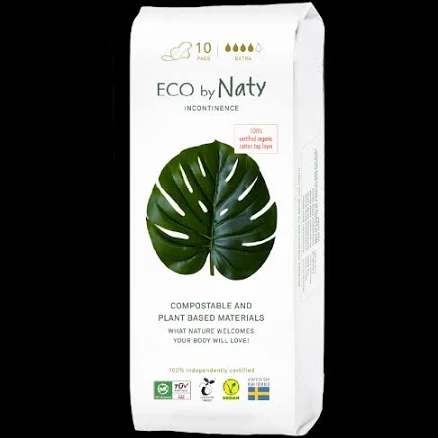
Eco By Naty
Incontinence Pads
- Bamboo-derived viscose, cotton, plant-based absorbent core
- We found no PFAS statement from the brand
- Heavy metals
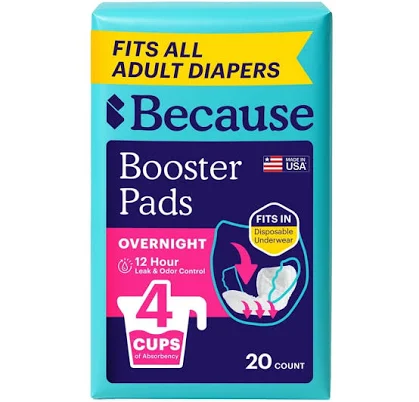
Because Market
Because Booster Pads
- Cellulose, superabsorbent polymer, cotton blend
- We found no PFAS statement from the brand
- Absorbent material degradation and bacterial growth
2 hazards checked on this product. See all of them.
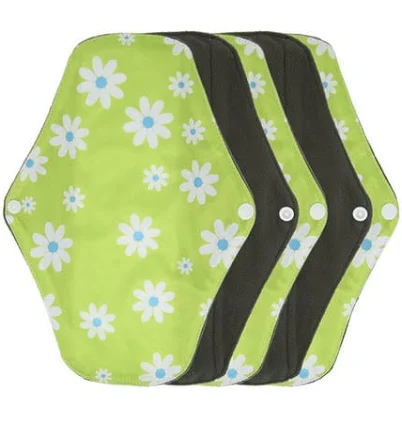
5pcs Bamboo Charcoal Washable Incontinence Pads
- bamboo charcoal textile, washable cotton-blend absorbent layer
- We found no PFAS statement from the brand
- Azo dyes and synthetic colorants
4 hazards checked on this product. See all of them.
More incontinence pads & protection grades
How we score, every product runs through the same public 0-100 rubric based on materials, coatings, brand disclosure, lab findings, and recalls. See the full methodology → Spotted a mistake? Report an error.