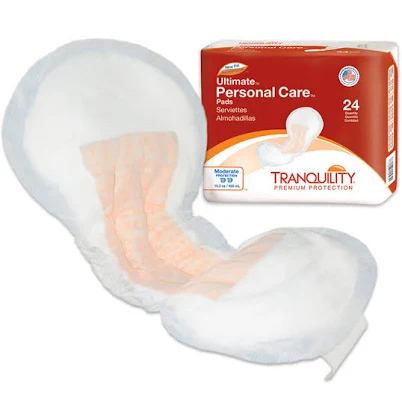
Tranquility · Incontinence Pads & Protection
Tranquility Personal Bladder Care Pads Case of 96 (24/Pk) / Ultimate (13.5" X 6.5")
Waterproof coating chemistry hidden; PFAS exposure risk remains unclear.
This bladder care pad uses cellulose and nonwoven with unspecified waterproof coating. Incontinence products typically use water-resistant treatments that may contain PFAS, but the brand hasn't disclosed.
The better-graded swap
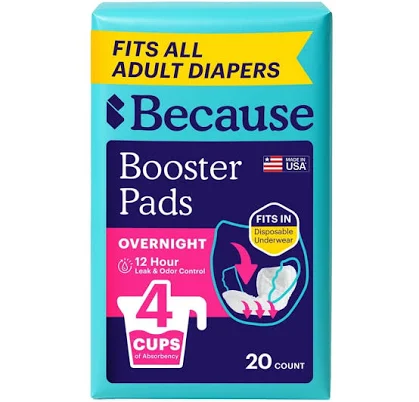
Because Market
Because Booster Pads
70/100 safety
Same rubric that flunked this product. The swap earned Good.
Still want this one anyway? Check the price on Amazon. We’d swap it.
Material
Cellulose/nonwoven with unspecified waterproof coating
Brand disclosure
Brand is silent on PFAS
Lab data
No public lab test
You may also be interested in
Top-graded picks in the categories readers replace first, every one scored on the same rubric.

- polypropylene filter housing, carbon/sediment cartridge
- We found no PFAS statement from the brand
- Bacterial growth in spent cartridges
3 hazards checked on this product, all on its full breakdown.

Aquasure
Premier Series 75 GPD Under Sink Reverse Osmosis Water Filtration System
- RO membrane, carbon filters, stainless steel housing
- We found no PFAS statement from the brand
- Bacterial and microbial growth in housing and filters
4 hazards checked on this product, all on its full breakdown.

Avocado
Vegan Mattress
- organic cotton, natural latex, coconut coir, recycled steel coils
- The brand calls it PFAS-free, which we have not verified
- Heavy metals
2 hazards checked on this product, all on its full breakdown.
What Tranquility Personal Bladder Care 6.5") is made of, ingredients and materials
Tranquility Ultimate pads use cellulose and nonwoven synthetic fibers as the absorbent core, which are inherently low-toxicity materials. The critical unknown is the waterproof backing coating; manufacturer does not disclose whether it relies on PFAS-based hydrophobic chemistry (common in menstrual and incontinence pads) or alternatives like wax or silicone with lower concern for PFAS. Cellulose itself does not leach into skin, but the coating chemistry directly contacts skin for hours and could transfer if degraded.
What’s concerning
Category baseline
The starting point for this type of product, before anything specific to this product is counted.
No PFAS disclosure
No public statement from the brand about PFAS in this product.
Waterproof / stain-resistant treatment
Water-repellent coating treatments have historically used PFAS.
PFAS
Manufacturer does not disclose whether the waterproof backing uses PFAS, silicone, wax, or other chemistry. Synthetic polymers in contact with skin for extended periods can leach monomers or plasticizers if coating is compromised; risk is low under normal use but unquantifiable without transparency.
Source, ATSDR ↗Skin irritation and contact dermatitis from coating or adhesives
Incontinence pads broadly carry a known risk of skin irritation from waterproof backings, adhesive residues, and prolonged moisture occlusion. Tranquility's specific formulation has no published adverse-event data, but the product category shows this is a recognized concern; individuals with sensitive skin should monitor for redness or discomfort.
Degradation of coating over shelf storage
Nonwoven waterproof coatings can degrade over prolonged storage, especially in heat or humidity, leading to loss of barrier integrity and increased potential for material migration. A case of 96 pads stored for months before use carries mild risk of coating breakdown; check visual condition before use.
What’s reassuring
Formaldehyde / VOCs
Cellulose-based hygiene products sometimes contain formaldehyde-releasing resins (urea-formaldehyde) in the nonwoven or adhesive layers. No public testing or recalls link Tranquility pads to formaldehyde; this remains a category-level screening concern pending manufacturer disclosure.
Source, ATSDR ↗Microplastic shedding from synthetic fibers
Nonwoven synthetic fibers in hygiene pads could theoretically shed microfibers during handling or wear. No published data on Tranquility pads or incontinence care products confirms this occurs or reaches systemic levels; risk is theoretical under normal use.
How is this PFAS grade calculated?
The brand's record and disclosure
Tranquility (Attends brand, part of SCA/Essity) has not published public statements on PFAS avoidance or coating materials used in its incontinence pads. The brand offers no third-party certifications (Oeko-Tex, GOTS, or equivalent) that would verify absence of restricted chemicals. No product-specific recalls or safety controversies have been established in public records, but the silence on waterproof-layer composition is typical of legacy incontinence-care manufacturers that have not faced regulatory or market pressure to disclose.
How it compares in its category
Tranquility is a mid-market incontinence pad; most competitors in this category (Depend, Always Discreet, Poise) similarly do not disclose waterproof coating chemistry, making this a category-wide gap rather than a Tranquility-specific failure. Some premium alternatives (e.g., Natracare, Nora) now market PFAS-free or plant-based waterproof layers, though cost is higher. For budget incontinence care, Tranquility's lack of transparency is regrettable but not unusual.
If you buy it
Store pads in a cool, dry location away from heat sources; do not microwave or expose to temperatures above 104°F, as synthetic polymers in the coating may degrade and increase leaching risk. Replace pads promptly after use to minimize skin contact duration and reduce irritation potential. If you experience persistent rash, itching, or burning around contact areas, discontinue and switch to a brand with disclosed waterproof materials. Consider requesting product material safety data from the manufacturer before large bulk purchases.
What is not known about PFAS in this product?
- Basis
- Model estimate, 35% confidence, not a lab result
- Lab test
- None on record for this exact product
- Brand statement
- Tranquility has made none
Formulations change between production runs, so check the current label. How we grade.
What are the PFAS-free alternatives to Tranquility Personal Bladder Care Pads Case of 96 (24/Pk) / Ultimate (13.5" X 6.5")?
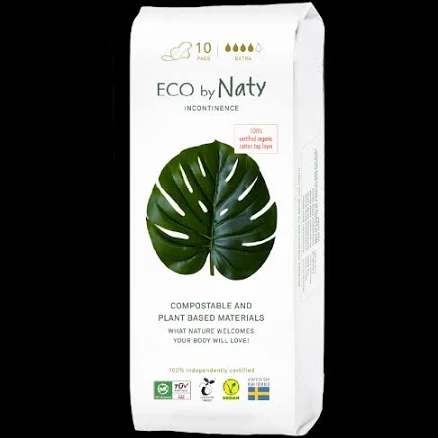
- Bamboo-derived viscose, cotton, plant-based absorbent core
- We found no PFAS statement from the brand
- Heavy metals
- Cellulose, superabsorbent polymer, cotton blend
- We found no PFAS statement from the brand
- Absorbent material degradation and bacterial growth
2 hazards checked on this product, all on its full breakdown.
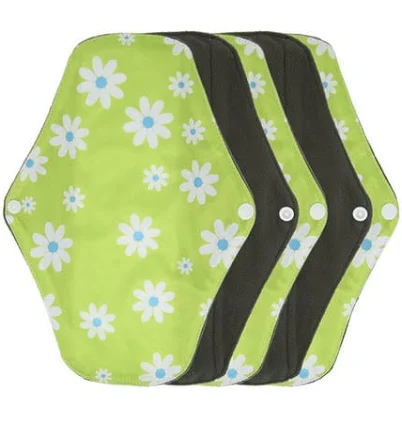
5pcs Bamboo Charcoal Washable Incontinence Pads
- bamboo charcoal textile, washable cotton-blend absorbent layer
- We found no PFAS statement from the brand
- Azo dyes and synthetic colorants
4 hazards checked on this product, all on its full breakdown.
More incontinence pads & protection grades
How we score, every product runs through the same public 0-100 rubric based on materials, coatings, brand disclosure, lab findings, and recalls. See the full methodology → Spotted a mistake? Report an error.