Tranquility · Incontinence Pads & Protection
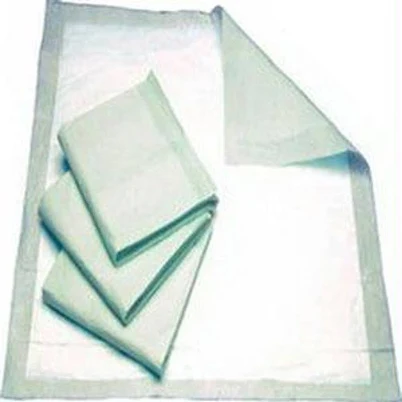
Tranquility Select Ultra Underpad 36" X 36"
Waterproof coating materials not disclosed; skip until clarified.
This underpad features cellulose with plastic backing and waterproof coating. The manufacturer hasn't made PFAS claims or documented coating materials publicly.
The better-graded swap
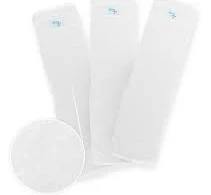
Adult Bamboo Booster Pads
70/100 safety
Same rubric that flunked this product. The swap earned Good.
Still want this one anyway? Check the price on Amazon. We’d swap it.
Material
Cellulose core with plastic backing/waterproof coating
Brand disclosure
Brand is silent on PFAS
Lab data
No public lab test
You may also be interested in
Top-graded picks in the categories readers replace first, every one scored on the same rubric.

- polypropylene filter housing, carbon/sediment cartridge
- We found no PFAS statement from the brand
- Bacterial growth in spent cartridges
3 hazards checked on this product, all on its full breakdown.

Aquasure
Premier Series 75 GPD Under Sink Reverse Osmosis Water Filtration System
- RO membrane, carbon filters, stainless steel housing
- We found no PFAS statement from the brand
- Bacterial and microbial growth in housing and filters
4 hazards checked on this product, all on its full breakdown.

Avocado
Vegan Mattress
- organic cotton, natural latex, coconut coir, recycled steel coils
- The brand calls it PFAS-free, which we have not verified
- Heavy metals
2 hazards checked on this product, all on its full breakdown.
What Tranquility Select Ultra Underpad is made of, ingredients and materials
This underpad uses a cellulose core (wood pulp), which is inherently non-toxic and biodegradable. The concern centers on the plastic waterproof backing and coating layer applied to prevent liquid penetration. Tranquility has not publicly disclosed whether this coating contains PFAS (PFAS "forever chemicals"), which are persistent chemicals used to create water and oil repellency. Without ingredient transparency, consumers cannot assess whether synthetic polymers like polyurethane, acrylics, or fluorinated compounds are used.
What’s concerning
No PFAS disclosure
No public statement from the brand about PFAS in this product.
Category baseline
The starting point for this type of product, before anything specific to this product is counted.
Waterproof / stain-resistant treatment
Water-repellent coating treatments have historically used PFAS.
Waterproof coating composition (polymer/coating hazard)
The plastic backing likely uses synthetic polymers (polyurethane, polyethylene, or acrylics) as a base, possibly with fluorinated or non-fluorinated repellents. Tranquility's silence means PFAS presence cannot be ruled out. Non-PFAS alternatives (silicones, waxes) exist but are unconfirmed here.
Coating degradation and microplastic/leachate release
Over time, plastic coatings can crack, peel, or fragment, especially with repeated use, heat exposure, or mechanical stress. Degradation may release polymer particles or residual monomers. Risk is low for intact pads in normal use but increases with age or damage.
Incineration or disposal byproducts (if burned improperly)
If PFAS-containing coatings are incinerated at low temperatures or burned in home fires, they may release hazardous fumes. Proper disposal (municipal waste or specialized incontinence-product take-back) minimizes this risk.
What’s reassuring
Skin contact irritation from coating or adhesives
No reported widespread adverse reactions to Tranquility underpads are on record. Cellulose core is hypoallergenic. Any irritation would more likely stem from prolonged moisture contact than chemical composition, but individual sensitivities to plastic polymers are possible.
Cellulose core quality and mold/bacterial growth if stored wet
Cellulose itself is not prone to contamination if kept dry. Once saturated, the pad is designed for single use and disposal; extended moisture exposure could theoretically support mold, but this is outside normal use. No documented issues reported.
How is this PFAS grade calculated?
The brand's record and disclosure
Tranquility (owned by Essity) does not maintain publicly available detailed material composition or PFAS declarations for this product line. The brand has not published independent certifications (e.g., OEKO-TEX, Cradle to Cradle, or PFAS-free statements) that would verify coating safety. This silence on waterproof treatment chemistry is typical of the incontinence-care industry, but it leaves a significant gap for consumers seeking certainty about exposure to synthetic chemicals.
How it compares in its category
Most disposable underpads (Attends, Depend, store brands) use similarly undisclosed waterproof coatings and face the same transparency gap. A small number of premium brands now market PFAS-free or certified-safe backing, though verification is limited. Reusable fabric underpads with washable polyurethane or sealed organic cotton liners offer an alternative if you want explicit material control, though upfront cost is higher.
If you buy it
Store in a cool, dry place away from heat and direct sunlight, as UV and warmth can degrade plastic coatings over time and potentially increase leaching. Replace underpads if the waterproof backing shows cracks, peeling, or delamination, as this compromises both function and chemical containment. Do not cut or crush pads, as this may fragment the plastic layer. If using for extended periods (e.g., daily for mobility-limited individuals), monitor skin for irritation, though reactions are uncommon.
What is not known about PFAS in this product?
- Basis
- Model estimate, 45% confidence, not a lab result
- Lab test
- None on record for this exact product
- Brand statement
- Tranquility has made none
Formulations change between production runs, so check the current label. How we grade.
What are the PFAS-free alternatives to Tranquility Select Ultra Underpad 36" X 36"?
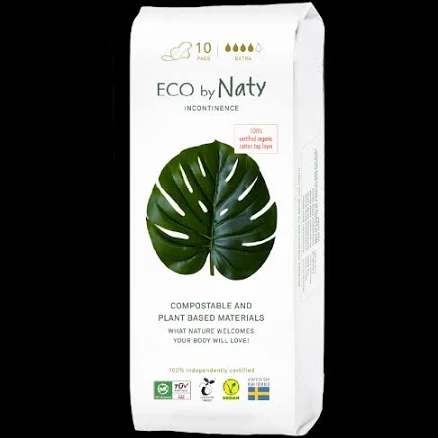
- Bamboo-derived viscose, cotton, plant-based absorbent core
- We found no PFAS statement from the brand
- Heavy metals
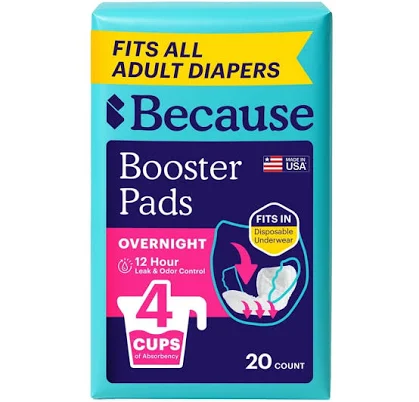
- Cellulose, superabsorbent polymer, cotton blend
- We found no PFAS statement from the brand
- Absorbent material degradation and bacterial growth
2 hazards checked on this product, all on its full breakdown.
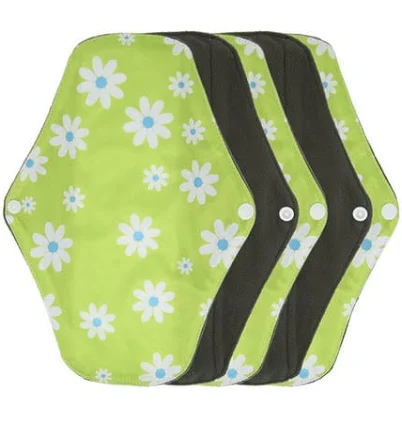
5pcs Bamboo Charcoal Washable Incontinence Pads
- bamboo charcoal textile, washable cotton-blend absorbent layer
- We found no PFAS statement from the brand
- Azo dyes and synthetic colorants
4 hazards checked on this product, all on its full breakdown.
More incontinence pads & protection grades
How we score, every product runs through the same public 0-100 rubric based on materials, coatings, brand disclosure, lab findings, and recalls. See the full methodology → Spotted a mistake? Report an error.