Tranquility · Incontinence Pads & Protection
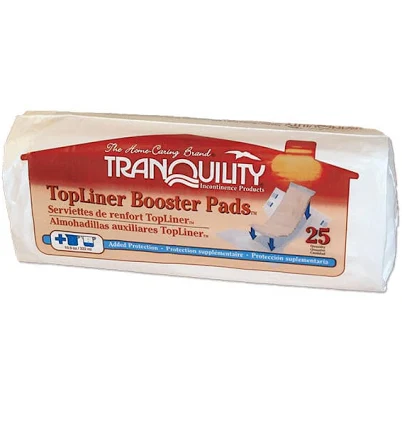
Tranquility Topliner Mini Booster Pads
Unknown waterproof coating; contact brand or skip due to uncertainty.
This booster pad has cellulose and rayon core with waterproof backing. The manufacturer hasn't disclosed treatment chemistry or provided PFAS certifications.
The better-graded swap
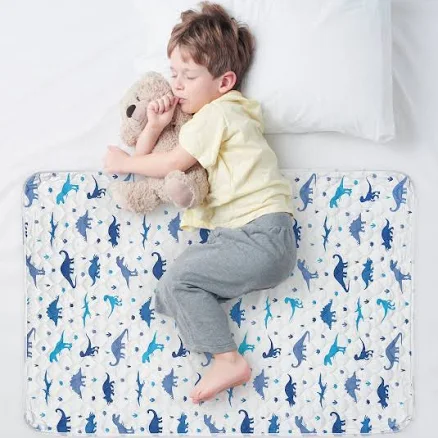
Organic Bamboo Incontinence Pads - White Dinosaur
70/100 safety
Same rubric that flunked this product. The swap earned Good.
Still want this one anyway? Check the price on Amazon. We’d swap it.
Material
Cellulose/rayon core with waterproof backing layer
Brand disclosure
Brand is silent on PFAS
Lab data
No public lab test
You may also be interested in
Top-graded picks in the categories readers replace first, every one scored on the same rubric.

- polypropylene filter housing, carbon/sediment cartridge
- We found no PFAS statement from the brand
- Bacterial growth in spent cartridges
3 hazards checked on this product, all on its full breakdown.

Aquasure
Premier Series 75 GPD Under Sink Reverse Osmosis Water Filtration System
- RO membrane, carbon filters, stainless steel housing
- We found no PFAS statement from the brand
- Bacterial and microbial growth in housing and filters
4 hazards checked on this product, all on its full breakdown.

Avocado
Vegan Mattress
- organic cotton, natural latex, coconut coir, recycled steel coils
- The brand calls it PFAS-free, which we have not verified
- Heavy metals
2 hazards checked on this product, all on its full breakdown.
What Tranquility Topliner Mini Booster Pads is made of, ingredients and materials
Tranquility Topliner Mini Booster Pads use a cellulose/rayon absorbent core, which is a standard, well-established material in period care with no known toxicity concerns at normal use. The critical unknown is the waterproof backing layer, which typically contains synthetic polymers or coatings that may include PFAS (PFAS "forever chemicals") to achieve water resistance. Rayon itself is processed from wood pulp using chemical solvents, but finished rayon in absorbent products carries minimal direct exposure risk. The backing is the primary concern for potential chemical leaching or off-gassing, especially with prolonged skin contact.
What’s concerning
Category baseline
The starting point for this type of product, before anything specific to this product is counted.
No PFAS disclosure
No public statement from the brand about PFAS in this product.
Waterproof / stain-resistant treatment
Water-repellent coating treatments have historically used PFAS.
Unknown synthetic waterproof coating composition
The backing layer material and chemicals are not disclosed by the brand. While not confirmed to contain PFAS, the lack of transparency is a red flag in a product class where fluorinated coatings are common for water resistance.
Skin sensitization from undisclosed adhesives or sizing agents
Mini boosters may contain adhesive to attach to underwear or other pads; adhesive chemistry is not published. Sensitivity is rare but possible, especially in individuals with sensitive vulvar skin or contact dermatitis history.
Microplastic shedding from synthetic backing
If the backing is a synthetic polymer film, repeated flexing and washing (if the pad is reusable) could theoretically shed microfibers, though this is not a documented or widespread concern for single-use period pads.
What’s reassuring
Rayon processing residuals (VCM, caustic soda)
Rayon is made via viscose or modal processes involving harsh chemicals, but finished rayon fibers in period pads carry no documented toxicity at normal skin contact. Manufacturing residuals are heavily regulated and monitored.
Chlorine or other bleaching residues
Tranquility does not advertise chlorine-free or unbleached status. Bleaching residues in mainstream pads are typically minimal and regulated, with no confirmed harm at these exposure levels.
How is this PFAS grade calculated?
The brand's record and disclosure
Tranquility (owned by Essity) does not publicly disclose detailed ingredient breakdowns or PFAS testing results for this product line, which is common but unhelpful for informed purchasing. The brand has not faced major documented safety recalls on period pads, nor published sustainability or chemical-safety certifications for absorbent products. Their silence on waterproof coating composition is a significant transparency gap, particularly given industry-wide PFAS concerns in period care products documented by advocacy groups and some state health agencies. No formal certifications (e.g., Standard 100 by OEKO-TEX, GOTS) are advertised for this product.
How it compares in its category
Booster pads like this are thinner, shorter absorbent layers designed to pair with regular pads; they see less total skin contact time and area than full-size pads, which reduces potential exposure to any problem chemicals. Many mainstream brands (Kotex, Always, Tampax) similarly do not disclose PFAS or backing layer details, making Tranquility's opacity typical rather than exceptional. Higher-priced alternatives marketed as organic, chlorine-free, or PFAS-free (e.g., Cora, Rael, Sustain) do publish third-party testing or ingredient claims, offering more transparency. Tranquility positions itself as an accessible, budget-friendly option, not a premium or eco-focused product.
If you buy it
Use as directed on the package and do not allow pads to overheat, sit in direct sunlight for extended periods, or be stored in very humid environments, as this could accelerate any coating degradation. Replace pads according to absorption level and comfort, not based on time limits. If you experience unexplained skin irritation, itching, or odor changes, discontinue use and test another brand to isolate whether the product is the cause. Consider reaching out directly to Tranquility/Essity customer service to ask about PFAS testing and backing layer composition before committing to regular purchase.
What is not known about PFAS in this product?
- Basis
- Model estimate, 45% confidence, not a lab result
- Lab test
- None on record for this exact product
- Brand statement
- Tranquility has made none
Formulations change between production runs, so check the current label. How we grade.
What are the PFAS-free alternatives to Tranquility Topliner Mini Booster Pads?
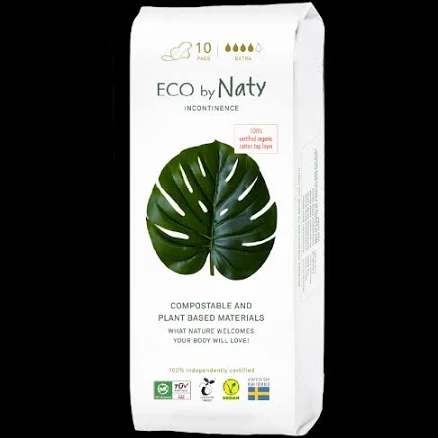
- Bamboo-derived viscose, cotton, plant-based absorbent core
- We found no PFAS statement from the brand
- Heavy metals
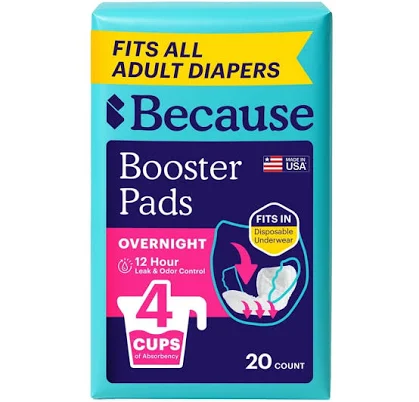
- Cellulose, superabsorbent polymer, cotton blend
- We found no PFAS statement from the brand
- Absorbent material degradation and bacterial growth
2 hazards checked on this product, all on its full breakdown.
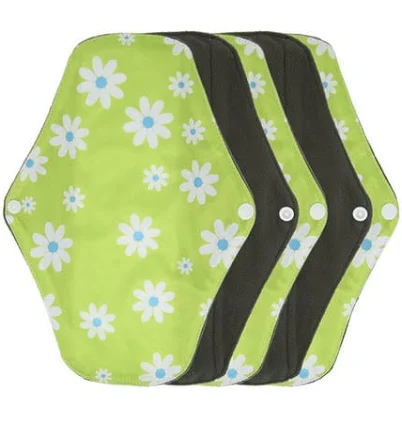
5pcs Bamboo Charcoal Washable Incontinence Pads
- bamboo charcoal textile, washable cotton-blend absorbent layer
- We found no PFAS statement from the brand
- Azo dyes and synthetic colorants
4 hazards checked on this product, all on its full breakdown.
More incontinence pads & protection grades
How we score, every product runs through the same public 0-100 rubric based on materials, coatings, brand disclosure, lab findings, and recalls. See the full methodology → Spotted a mistake? Report an error.